Niger’s health transformation with integrated digital ecosystem
The government of Niger, in partnership with the United States, has launched a groundbreaking $179.3 million bilateral health cooperation agreement spanning five years. This initiative aligns with the U.S. ‘America First’ global health strategy, marking a significant step in enhancing healthcare infrastructure and disease prevention capabilities in West Africa.
Strategic investments to combat major health threats
Under this agreement, Washington will contribute $107.4 million to address critical health challenges in Niger, including:
- Malaria eradication efforts through expanded prevention and treatment programs
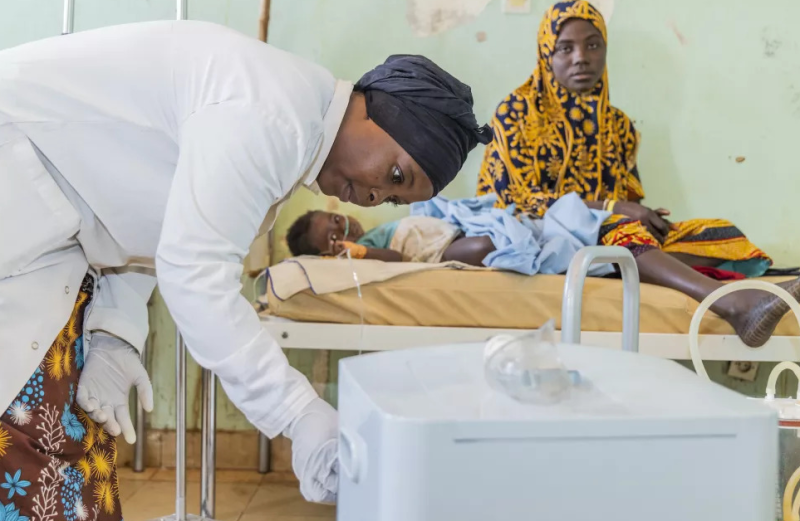
- Maternal and child health improvement initiatives to reduce mortality rates
- Strengthened epidemiological surveillance systems for early outbreak detection
- Enhanced emergency response mechanisms for health crises
In parallel, Niger’s government will allocate $71.9 million from internal resources, demonstrating a strong commitment to national health ownership and sustainability.
Digital health revolution: building a connected ecosystem
A key component of this partnership is the $5 million allocation for a global health security system and the development of a comprehensive digital health ecosystem. This innovative platform will integrate six interconnected information systems:
- Electronic health records management
- Laboratory information systems
- Pharmacy management systems
- Epidemiological surveillance networks
- Health product inventory tracking
- National health data warehouse
This digital infrastructure aims to create a seamless information flow between healthcare providers, enabling faster response times and more coordinated interventions during health emergencies.
Bolstering epidemic preparedness and response
The primary goal of these investments is to enhance Niger’s capacity for early detection and rapid response to potential outbreaks. By implementing advanced monitoring systems and real-time data sharing, health authorities can identify and contain health threats before they escalate into larger epidemics.
This approach aligns with the U.S. Department of State’s vision of creating resilient health systems that can withstand emerging health challenges while protecting vulnerable populations.
Comparative health partnerships across regions
This agreement follows a similar $60.8 million health partnership between the U.S. and the Dominican Republic, which focuses on HIV/AIDS prevention and implements the ‘7-1-7’ surveillance system. Together, these initiatives represent over $240 million in combined investments, demonstrating a global commitment to strengthening health security in diverse regions.
The Niger-U.S. partnership exemplifies how international cooperation can drive meaningful improvements in public health infrastructure, particularly in resource-constrained settings.