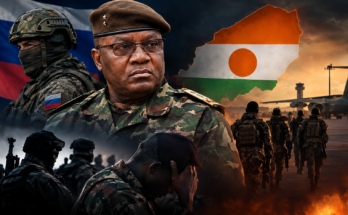
State funeral in Mali for former defence minister Sadio Camara
Mali commemorated its former defence minister, General Sadio Camara, with a solemn state funeral this week, following his tragic death in a coordinated jihadist assault that shook the nation. As a distinguished military strategist and key figure in Mali’s recent geopolitical shifts, Camara’s passing marks not only a personal loss but a pivotal moment for the country’s security landscape.
General Camara was killed during a brazen attack by armed groups in the Kati region, a military stronghold near Bamako. The assault, described as the most violent in over a decade, prompted two days of national mourning before the state funeral proceedings.
The ceremony, broadcast nationwide, featured a military parade and the presentation of Camara’s coffin draped in Mali’s national colours—green, yellow, and red. Among the mourners were junta leader Assimi Goïta and high-ranking military officials, underscoring the gravity of the event.
Camara’s influence extended far beyond his role in Mali’s armed forces. A graduate of Russian military academies, he was instrumental in forging strong defence ties between Bamako and Moscow, particularly after the 2020 coup that brought the military junta to power. His vision reshaped Mali’s security partnerships, pivoting away from traditional Western allies in favour of closer cooperation with Russia.
Political and Security Fallout
The assassination of Sadio Camara sends shockwaves through Mali’s fragile political landscape, potentially altering the balance of power and regional alliances.
Analysts suggest that Camara’s death could destabilise the junta’s internal cohesion, particularly given his central role in managing military strategy and foreign relations. The timing of his killing—amidst a devastating battlefield defeat—raises critical questions about Mali’s future direction:
- Will the junta’s alliance with Russia remain unshaken?
- Could internal divisions within the military leadership emerge?
- How will neighbouring Sahel nations respond to this leadership vacuum?
Mali’s pivot toward Moscow has had far-reaching consequences across the Sahel, influencing security policies in volatile regions such as Gao, Mopti, Sévaré, and Kidal. The death of a figure like Camara, who symbolised this strategic shift, could accelerate calls for reassessing Mali’s defence partnerships and regional commitments.
The attack also highlighted the persistent threat posed by militant groups, including Jama’at Nasr al-Islam wal-Muslimin and separatist factions linked to the Azawad movement. The resurgence of violence in northern Mali, particularly around Kidal, has reignited concerns over territorial fragmentation and insurgent control.
The Making of a Military Leader
Born in 1979 in Kati, Camara rose through the ranks to become one of Mali’s most influential defence figures. His early career included deployments to northern Mali during the 2000s, where he witnessed the escalation of jihadist insurgencies. His strategic mindset and exposure to Russian military training later positioned him as a key architect of Mali’s realignment toward Moscow.
Camara first gained national prominence in August 2020, when he appeared alongside fellow officers in a televised announcement declaring the overthrow of President Ibrahim Boubacar Keita. The coup, framed as a response to France’s waning influence and escalating insecurity, set the stage for Mali’s dramatic shift in foreign policy.
As defence minister under both the 2020 junta and the subsequent 2021 administration led by Assimi Goïta, Camara played a decisive role in expelling French troops and UN peacekeepers, instead forging deeper military ties with Russia. His death arrives at a precarious juncture, with Mali facing mounting pressure from insurgent advances, internal fractures, and growing scepticism about the efficacy of its Russian-backed security model.
The symbolism of Camara’s death in Kati—Mali’s most strategically sensitive military hub—cannot be overstated. Historically, shifts in military power have originated from this garrison town, and his passing may signal a new chapter in Bamako’s security doctrine. Whether Mali’s future lies in strengthening ties with Moscow or seeking alternative partnerships remains an open question, but one thing is certain: the loss of Sadio Camara will leave an indelible mark on the nation’s trajectory.
Related Posts