Niger’s strategic pivot toward pragmatic governance
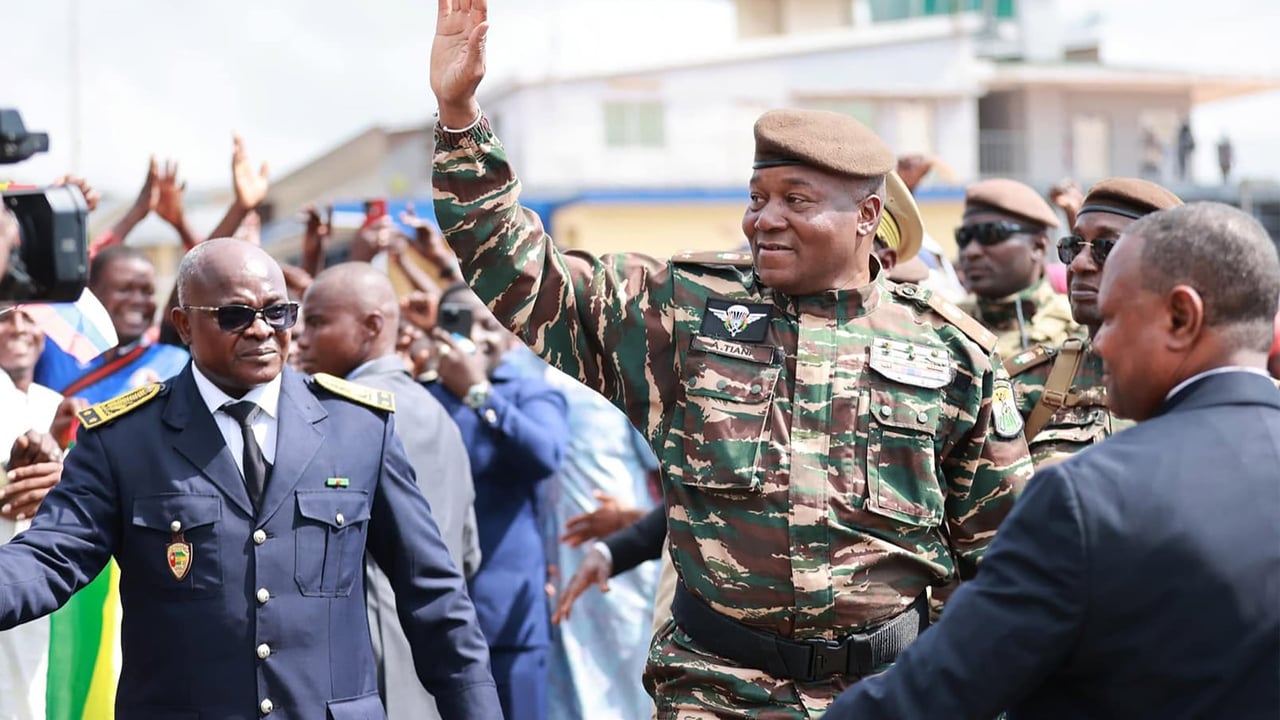
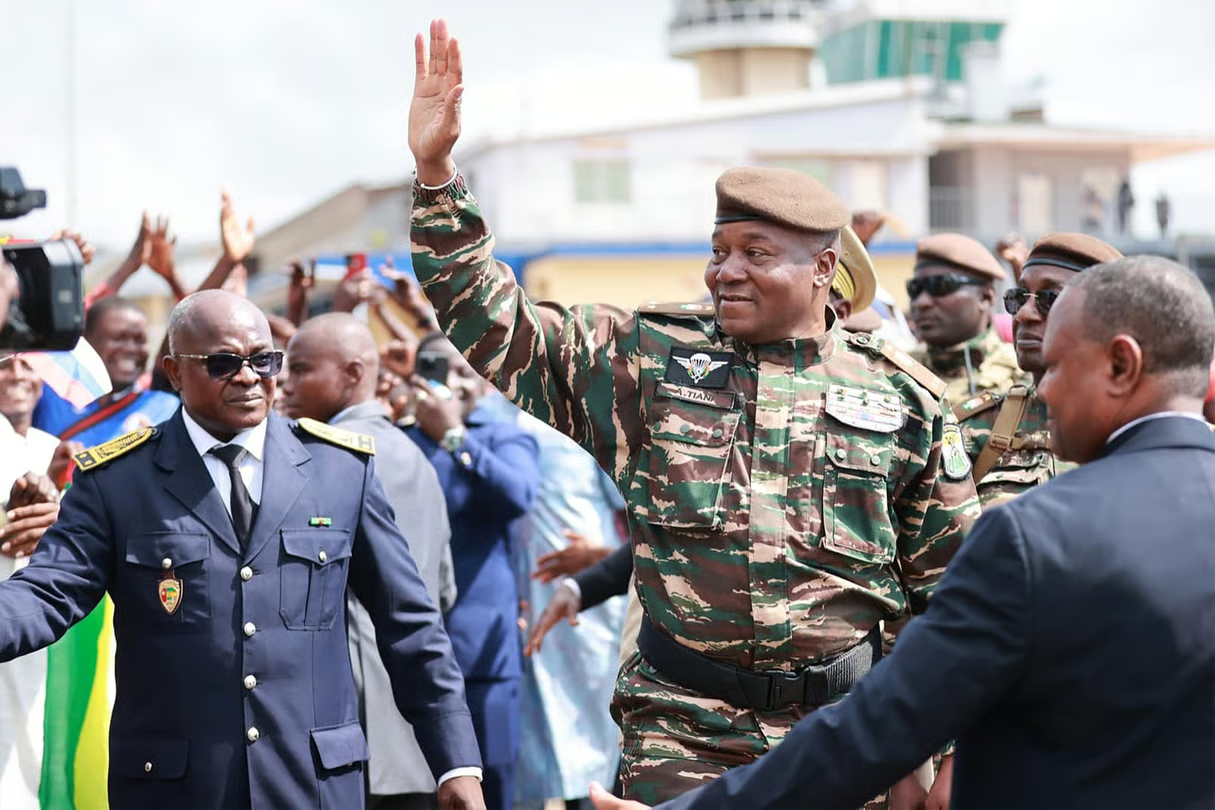
In the ever-shifting landscape of Sahelian politics, Niger’s head of state, Abdourahamane Tiani, is charting a course marked by calculated pragmatism. As regional alliances recalibrate and global powers extend their influence, Tiani’s administration is navigating these turbulent waters with a focus on tangible outcomes over rigid ideology.
Diplomatic agility in a complex regional environment
The Nigerien leader’s approach reflects an acute awareness of the challenges facing the Sahel. With neighboring nations reassessing their strategic partnerships, Tiani is positioning Niamey at the crossroads of competing interests—balancing relations with traditional allies while exploring new avenues for cooperation.
His recent engagements underscore this shift. High-level discussions with African and international stakeholders have prioritized economic resilience, security cooperation, and regional stability. By fostering dialogue with a diverse range of partners, Tiani is building a diplomatic framework that aligns with Niger’s evolving priorities.
Economic and security imperatives
The Nigerien government’s economic strategy under Tiani’s leadership emphasizes self-sufficiency and strategic investments. Key sectors such as agriculture, mining, and infrastructure are receiving heightened attention, with policies designed to reduce dependency on external aid and bolster domestic productivity.
On the security front, Tiani’s administration continues to prioritize collaborative regional frameworks. The Alliance of Sahel States remains central to these efforts, serving as a platform for coordinated responses to shared threats. At the same time, Tiani has signaled openness to engaging with global actors whose assistance aligns with Niger’s national interests.
Challenges and opportunities on the horizon
While the path forward presents significant hurdles—including persistent security threats and economic constraints—Tiani’s pragmatic stance offers a potential blueprint for navigating them. His ability to adapt to changing dynamics while maintaining a clear vision for Niger’s future could redefine the country’s role in the region.
As African nations increasingly assert their agency on the global stage, Tiani’s leadership exemplifies a broader trend: the rise of pragmatic governance in the Sahel. For Niger, this moment may well determine its trajectory for decades to come.
Related Posts