From lofty declarations to financial dependence
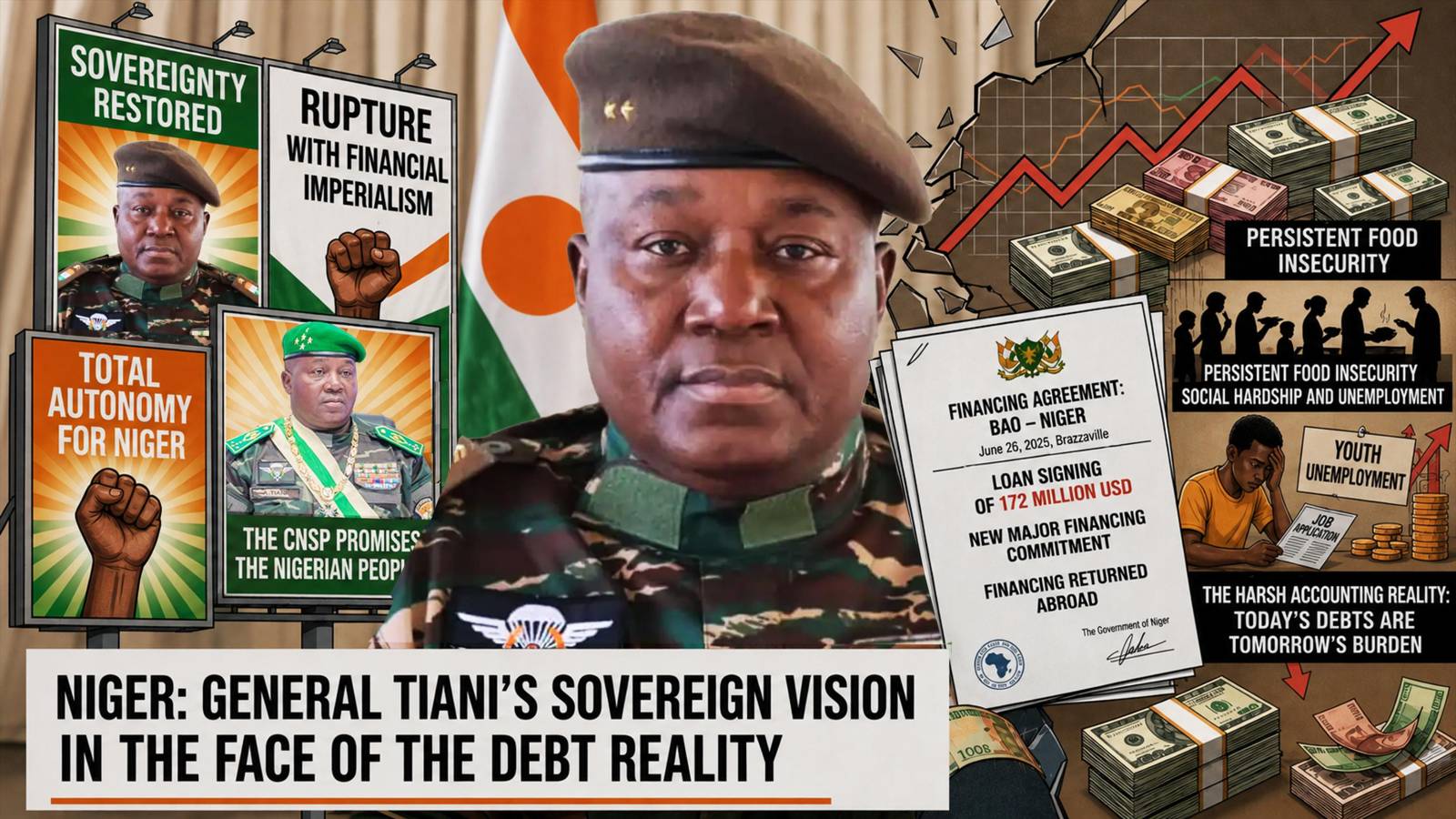
The General Abdourahamane Tiani-led National Council for the Safeguarding of the Homeland (CNSP) continues to espouse a narrative of restored sovereignty and institutional rupture with international financial bodies. Yet, in Niamey, the stark realities of governance paint a far different picture. As social distress deepens and the regime struggles to meet basic public needs, a contradictory pattern has emerged: the pursuit of foreign debt to sustain an ailing economy.
Contrasting rhetoric with fiscal necessity
On May 26, 2026, during the African Development Bank’s annual meetings in Brazzaville, Niger quietly committed to a new financial arrangement. A 172-million-US-dollar accord was formalized between Sidi Ould Tah, representing the bank, and Maman Laouali Abdou Rafa, acting on behalf of Niger. The stated purpose of the funding is to bolster youth entrepreneurship in agriculture, modernize the sector through technological and financial innovation, and expand value chains amid escalating food insecurity and climatic pressures.
For the average Nigerien, however, the cognitive dissonance is glaring. How can a regime that vows to sever financial ties with international institutions simultaneously embrace multilateral lending mechanisms? Observers and citizens alike question whether the proclaimed transition to self-reliance is anything more than political posturing masking systemic economic failure.
The human cost of unmet expectations
The chasm between official proclamations and ground-level realities has never been more evident:
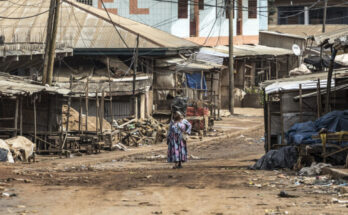
- Chronic food insecurity: Despite repeated assurances of agricultural self-sufficiency, inflation and supply disruptions have eroded household resilience, leaving millions vulnerable.
- Stalled social mobility: Economic prospects remain elusive for young Nigeriens, who face persistently high unemployment rates and dwindling opportunities.
- Fiscal dependence exposed: The necessity to secure multi-million-dollar loans underscores the state’s inability to finance developmental priorities through domestic revenue alone.
« The discourse speaks of dignity and liberation from foreign influence, yet every signed agreement abroad confirms that the regime cannot function without external capital, » remarked an economist from the subregion, requesting anonymity.
A forced pragmatism or a strategic misstep?
The CNSP’s decision to accept the 172-million-US-dollar facility signals a tacit acknowledgment of its structural limitations. While agricultural development and youth financial inclusion are undeniably critical, the resort to external borrowing—under General Tiani’s leadership—reveals the fragility of an administration isolated from regional and multilateral cooperation frameworks.
For Nigerien citizens, the pressing concern is no longer ideological posturing but tangible relief: affordable meals and financial stability. As authorities in Niamey frame each accord as a diplomatic triumph, the arithmetic of debt accumulation looms large. Today’s borrowed funds will inevitably translate into tomorrow’s fiscal burden—a far cry from the promised era of absolute economic autonomy.