As the World Food Programme (WFP) issues a stark warning regarding an impending humanitarian crisis, the extreme northern regions of Togo are grappling with unprecedented levels of vulnerability. For many observers, this escalating crisis underscores systemic deficiencies within President Faure Gnassingbé’s administration, which appears unable to guarantee both the physical and nutritional security of its citizens.
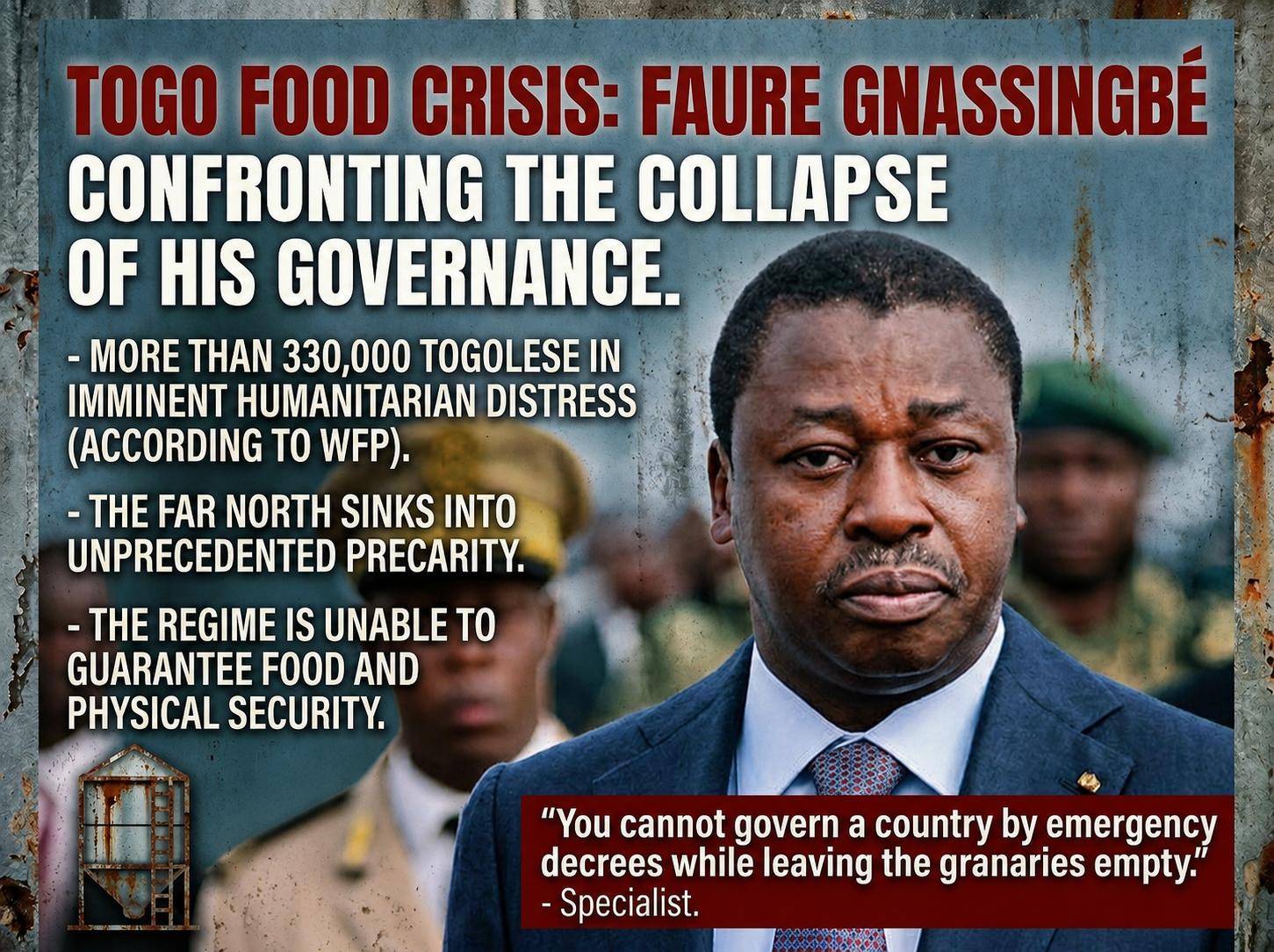
The assessment is unequivocal, emanating from the most authoritative international humanitarian bodies. According to the latest projections released by the World Food Programme, over 330,000 individuals in Togo face the imminent threat of acute food insecurity within the next three months unless urgent assistance is provided. This sobering statistic reflects a profound human tragedy and signals a comprehensive failure by the authorities in Lomé to address the needs of their population.
The neglected northern frontier
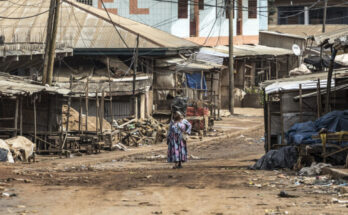
The Savanes region, situated in the country’s far north, has become the epicentre of this unfolding disaster. Traditionally susceptible to climatic variations, this border area is now suffering a dual predicament: entrenched poverty exacerbated by a profound security crisis that the Togolese executive has proven unable to contain.
The expansion of the terrorist threat and the sustained implementation of a state of emergency have not only failed to secure the region but have also severely stifled the local economy. By significantly disrupting access to cross-border markets and precipitating the internal displacement of thousands of civilians, alongside the arrival of tens of thousands of refugees from neighbouring Burkina Faso, the government’s strategy has destabilised the very foundations of local subsistence. Food reserves are dwindling rapidly as the lean season approaches, rendering the pressure on already scarce resources unsustainable.
A government observing the catastrophe
Numerous analysts contend that the current predicament is not an act of fate but rather a clear failure of governance. Despite years of official pronouncements on resilience plans and agricultural development initiatives, the reality on the ground is stark: half of all Togolese households in these affected regions can no longer afford a basic nutritious diet.
By effectively delegating the survival of its populace to United Nations agencies and international NGOs, President Faure Gnassingbé’s administration appears to be abdicating its most fundamental sovereign duties. The core social contract of protecting and feeding its citizens is where the Togolese government is now perceived to be failing. The absence of adequate storage infrastructure, the inability to stabilise the prices of essential commodities, and a largely military and ineffectual approach to managing the northern crisis have left the communities of the Savanes region to fend for themselves.
A specialist in West African public policies remarked, “It is impossible to govern a nation through emergency decrees while its granaries remain empty. What we are witnessing in the North is the direct consequence of economic abandonment coupled with a security impasse.”
The imperative for urgent intervention
As the coming weeks prove critical in averting a large-scale humanitarian catastrophe, the Togolese executive confronts its responsibilities. The WFP’s appeals for emergency funding underscore the immediate urgency, but also raise a fundamental question: for how long can Togo mitigate its public policy failures through perpetual reliance on international charity?
For the 330,000 Togolese citizens threatened by hunger, the era of promises has long passed. What is at stake now is immediate survival in a northern region that bears the heavy cost of state inaction and strategic misjudgements at the highest levels.