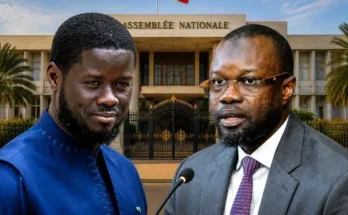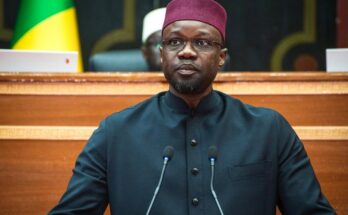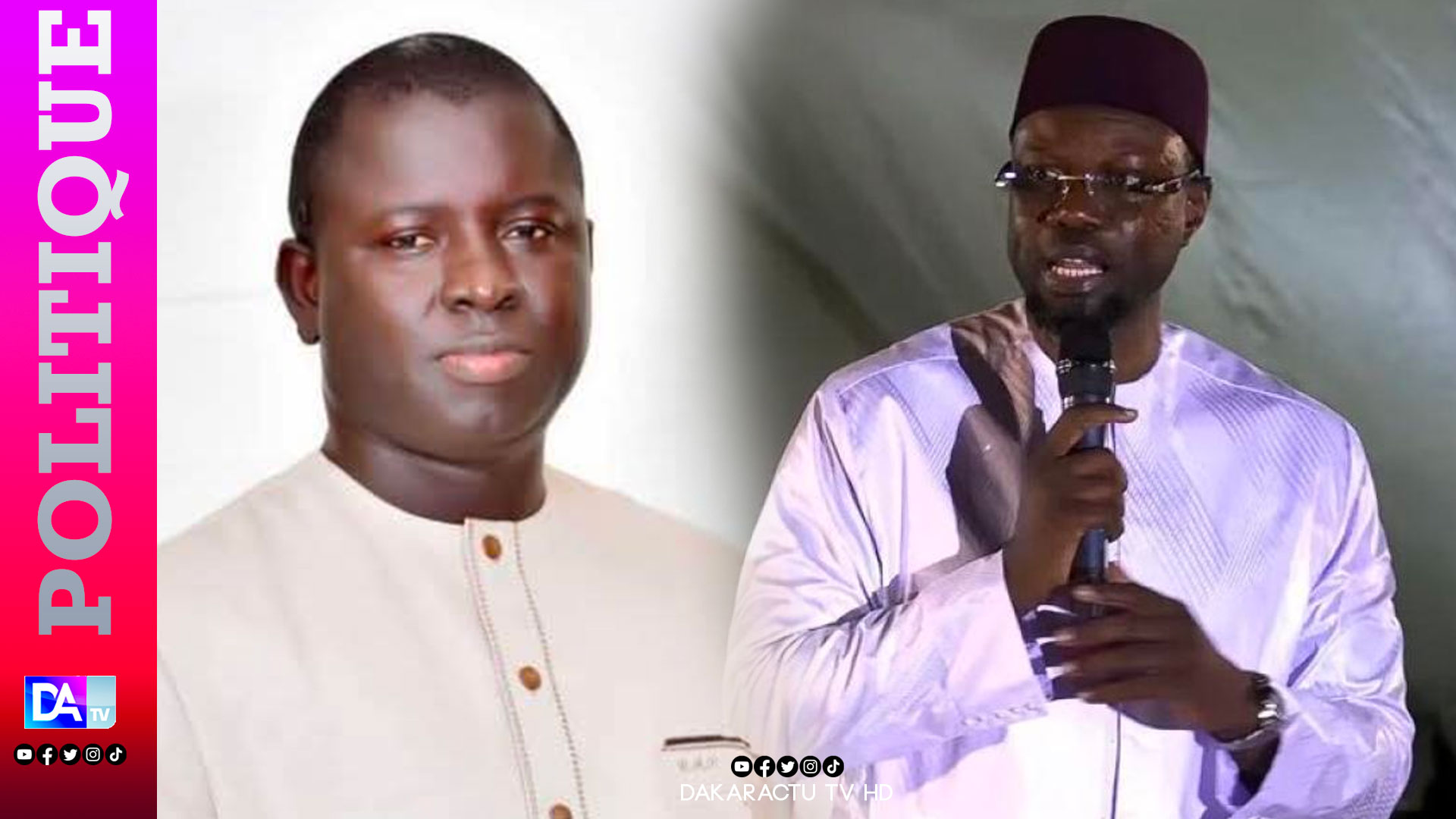
Is Senegal’s political landscape witnessing a systemic shift where the logic of perpetual confrontation now outweighs the reverence for republican values? Once a vocal opposition figure briefly in power, the leader of Pastef has pivoted from a grassroots resistance strategy to an unprecedented institutional blockade stance. The question on everyone’s mind: how far will Ousmane Sonko push his agenda?
Recall the ‘Gatsa-Gatsa’ slogan (‘short tail pays for short tail’), originally a rallying cry for direct retaliation against the previous regime. This confrontational approach deeply polarized public discourse, framing resistance as a tit-for-tat exchange. Yet over time, what began as a strategic defense morphed into an overuse of national institutions as leverage, blurring the line between legitimate opposition and systemic manipulation.
Following a politically charged ascent to the National Assembly speakership, Sonko swiftly pushed for a constitutional reform project. However, the Constitutional Council delivered a decisive verdict: the proposal was struck down. This legal setback, compounded by unspoken political ambitions, appears to have fueled a radical turn rather than a retreat toward compromise.
The rise of ‘Maa Tay’ and institutional defiance
The rejection of the reform marked a turning point. Instead of fostering restraint, the frustration seems to have accelerated a shift toward institutional defiance under the banner of ‘Maa Tay’ (‘I don’t care’). This posture manifests as deliberate obstruction of government functions and disregard for core republican principles:
- Institutional paralysis: Blocking actions not for policy debate, but as an end in itself.
- Judicial disdain: Dismissing court rulings and constitutional decisions to serve political posturing.
- Hostage-taking of institutions: Reacting to blocked ambitions by weaponizing the very structures meant to uphold governance.
Where does this escalation end? Senegal’s democracy has long thrived on the resilience of its institutions during crises. Replacing dialogue with defiance and procedural contempt sets a dangerous precedent. While political ambitions rise and fall, institutions endure. Undermining the pillars of the State to mask personal frustrations or hidden agendas risks weakening the nation itself. Opposition and checks-and-balances are constitutional rights; systematic obstruction under the guise of republican defiance is a dead end.
Cheikh Issa Sall, President of the UNITE Party