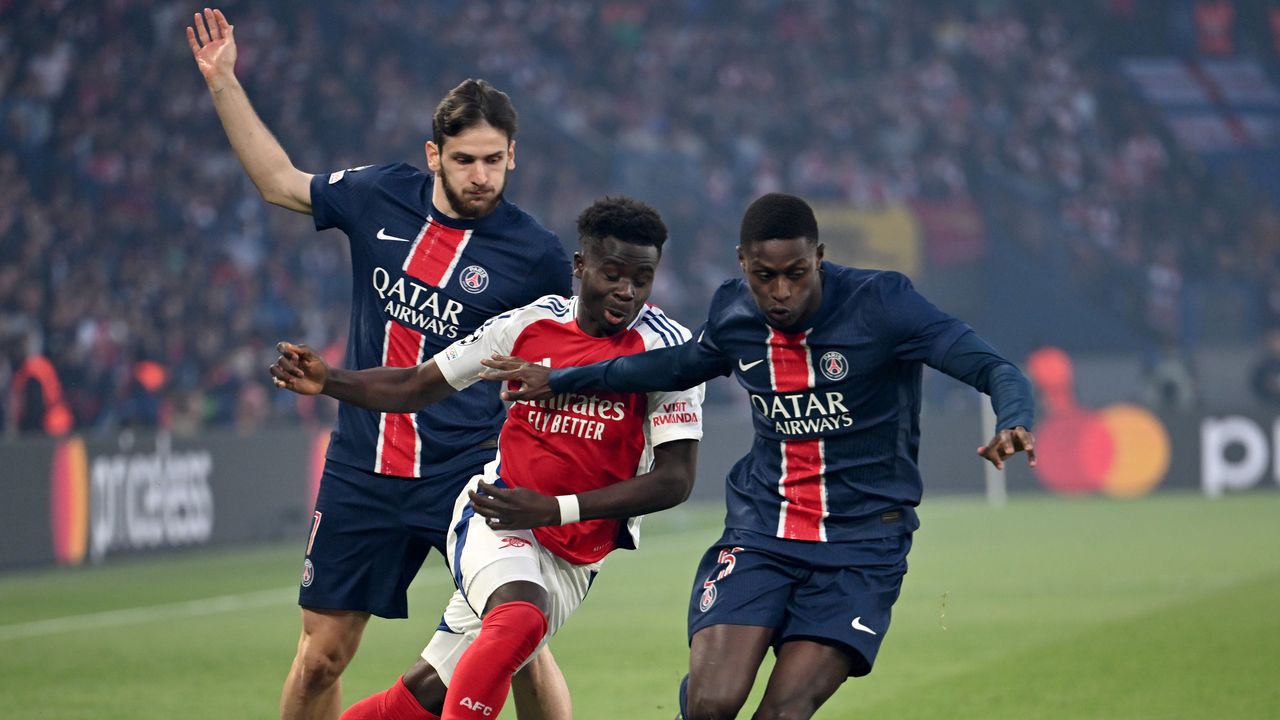
Historic showdown in Budapest
The culmination of an extraordinary season awaits this Saturday 30 May, when Paris Saint-Germain, under the leadership of Ousmane Dembélé, face a resurgent Arsenal side in the Champions League final. The London club, crowned English champions for the first time in 22 years, will challenge PSG’s bid for back-to-back European glory – a feat unmatched in French football history. Should the Parisians prevail, they would become the first side since Real Madrid in 2018 to defend their Champions League title successfully.
The stage is set at Budapest’s Puskás Aréna, where spectators will witness an unprecedented early kick-off. Unlike the traditional 21:00 CET slot reserved for Champions League finals, this year’s decider will commence at 18:00 CET – a rare departure that has sparked curiosity among fans accustomed to late-night celebrations.
UEFA prioritises fan experience and accessibility
The governing body has cited multiple reasons for this scheduling shift. Most prominently, it aims to enhance the matchday experience for supporters by allowing them to enjoy the evening with friends and family without enduring post-match uncertainty. In the event of extra time or penalty shoot-outs, fans would otherwise face an unearthly return home well past midnight.
The decision also promises economic benefits for Budapest, where local businesses – particularly bars and restaurants – stand to gain from an influx of celebratory patrons immediately after the final whistle. Additionally, the UEFA has highlighted improved access to public transport and safer, more efficient exit routes from the stadium as key factors in the revised timing.
Lessons from Paris 2022 guide safety measures
This precautionary approach follows the chaotic scenes that marred the 2022 Champions League final between Liverpool and Real Madrid at the Stade de France. Overwhelmed security systems and protracted queues led to widespread disruption, culminating in 105 arrests and sparking global concerns about Paris’ readiness for major events ahead of the 2024 Olympic Games. The UEFA is determined to avoid a repeat of such negative headlines.
In France, heightened security protocols will be enforced. Approximately 8,000 police and gendarmerie officers will patrol the capital, while venues along the Champs-Élysées – including key metro stations such as Concorde and Tuileries – will close from 17:00 onwards to streamline crowd control.
Global audience takes centre stage
The timing is not solely about accommodating European spectators. By starting at 18:00 CET, the UEFA ensures that football enthusiasts across Asia and the Middle East can tune in during more convenient hours, eliminating the need for late-night or early-morning viewings. This strategic adjustment underscores the Champions League’s ambition to evolve into a truly global spectacle.
For those unable to secure a ticket to Budapest, France will offer two broadcasting options: free-to-air coverage on M6, which goes live from Hungary at 17:00, and encrypted access via Canal+, which begins its Champions Club programming at 16:45. Whether in person or on screen, anticipation is building for a final that promises drama, history, and daylight trophy celebrations.