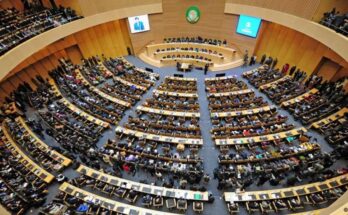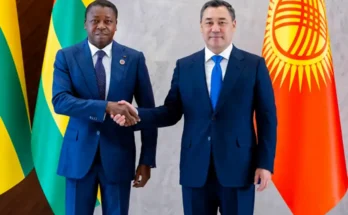
The Togolese capital of Lomé recently hosted a critical two-day summit, on June 7 and 8, 2026, focused on the ongoing crisis in the eastern Democratic Republic of Congo (DRC). Key representatives from major regional mediation bodies convened, including the Southern African Development Community (SADC), the East African Community (EAC), and the International Conference on the Great Lakes Region (CIRGL). Emissaries from the African Union (AU) and the United Nations (UN) also participated. The primary objective was to thoroughly assess the effectiveness of current diplomatic strategies and gauge the remaining distance to a lasting resolution between the warring parties.
Lomé: a focal point for fragmented mediation efforts
Togo’s selection as the meeting venue was far from coincidental. Faure Gnassingbé, the African Union’s appointed facilitator for the Congolese dossier, has dedicated months to consolidating numerous parallel initiatives that, despite their proliferation, have often lacked cohesion. Both the Nairobi Process, spearheaded by the EAC, and the Luanda Process, led under the AU’s auspices and for a period by Angolan President João Lourenço, have progressed independently. While a gradual merger of these diplomatic tracks began in 2024, the anticipated on-the-ground results in eastern DRC have yet to materialize.
Diplomats gathered in Lomé openly acknowledged that coordination remains the fundamental weakness in the broader peace endeavor. Several participants underscored the urgent need to streamline dialogue channels. This rationalization is crucial to prevent conflicting parties from exploiting one mediation effort against another. Such fragmentation has historically benefited armed groups, most notably the March 23 Movement (M23), whose military advancements in Nord-Kivu and Sud-Kivu have significantly reshaped the region’s security landscape.
A tense diplomatic calendar for Kinshasa, Kigali, and the M23
The diplomatic progress discussed during the Lomé meeting appears modest when weighed against the urgent expectations. Direct discussions between Kinshasa and the M23, initially resisted by Congolese authorities, have finally commenced under the combined pressure of regional mediators and international partners. Concurrently, the bilateral dynamic between the DRC and Rwanda — a nation accused by the UN and several Western chancelleries of supporting the M23 rebel movement — continues to present the most intricate political challenge to unravel.
Mediators highlighted alarming delays in implementing prior commitments, particularly the withdrawal of foreign forces from Congolese territory and the cantonment of armed groups. The deployment of the SADC mission in the DRC (SAMIDRC), which suffered substantial human losses in early 2025, underscored the limitations of regional military responses. This demonstrated that the eastern DRC conflict’s economic, land-related, and identity-based drivers extend far beyond conventional security frameworks.
War economy complicates eastern DRC crisis resolution
Beyond the political dimensions, participants emphasized the critical need to disrupt the illicit exploitation networks for Kivu’s mineral resources. Coltan, tin, gold, and tungsten fuel a pervasive war economy with far-reaching international supply chain implications. Several mediators advocated for establishing a robust regional traceability mechanism, deeming it indispensable for any sustainable de-escalation in the eastern DRC.
While the Lomé meeting concluded without any dramatic announcements, it successfully reaffirmed the principle of an integrated approach to peace. Future steps are expected to involve Congolese civil society actors more closely, a group often marginalized in processes dominated by heads of state and diplomatic offices. Civil society organizations in Nord-Kivu and Sud-Kivu, alongside customary authorities, are now recognized as essential conduits for anchoring any potential agreement within the harsh realities of these war-torn territories.
Nevertheless, the mediators departed the Togolese capital without establishing a firm timeline for the signing of a comprehensive peace agreement. The coming weeks will reveal whether the diplomatic momentum initiated in Lomé can alter the trajectory of a conflict that has challenged all peace architectures built around the Great Lakes region for over three decades.