A significant advancement has been made in the energy collaboration between Sénégal and Algérie. Government representatives from both nations, meeting in Alger, have agreed to pool their expertise within the vital hydrocarbon sector. This pivotal gathering in the Algerian capital brought together Sénégal’s Minister of African Integration and Foreign Affairs with his Algerian counterparts for Energy and Diplomacy. It underscores a shared commitment to establishing a structured industrial partnership between Dakar and Alger, two countries now recognized as African hydrocarbon producers.
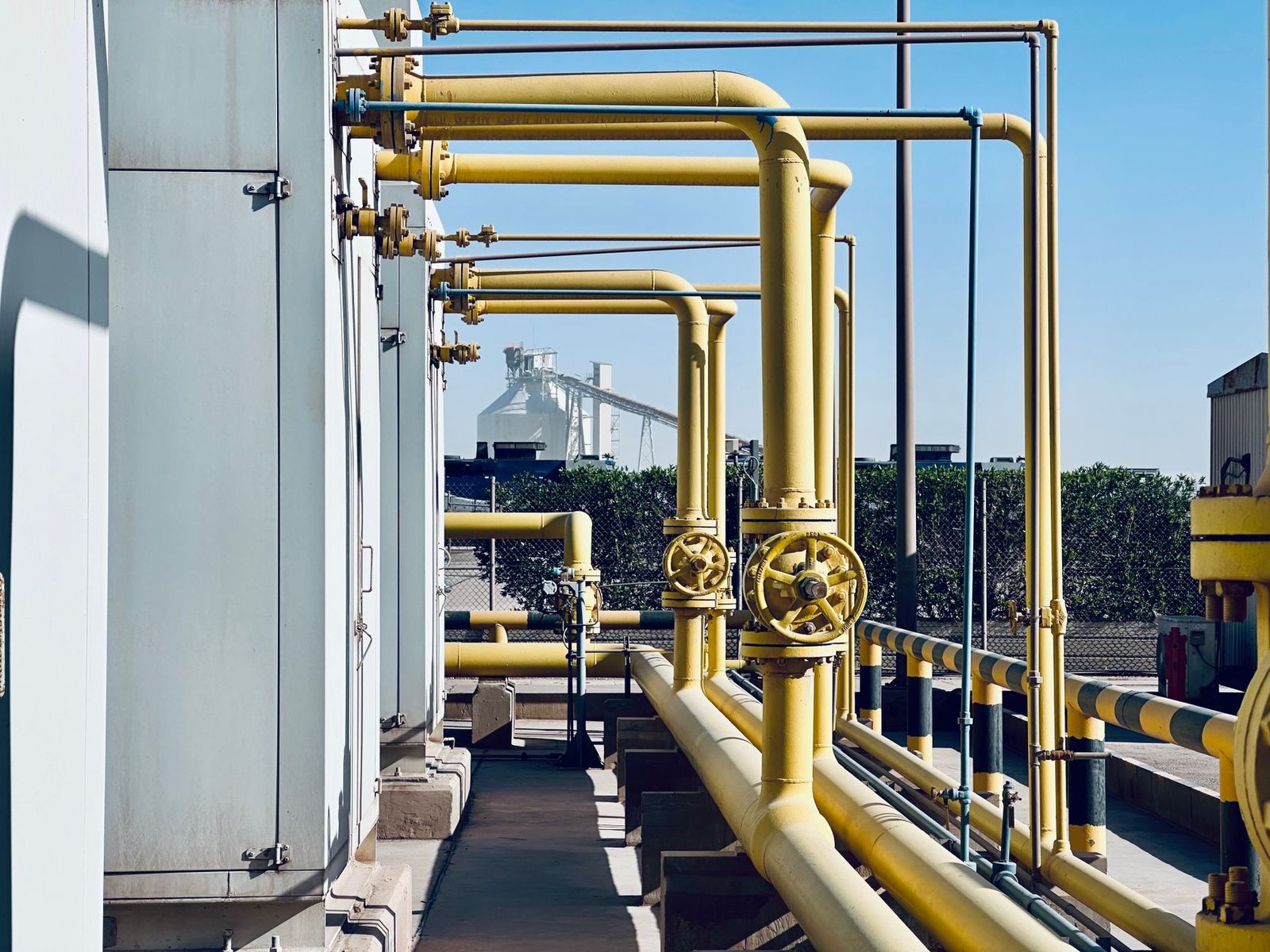
This enhanced cooperation comes at a crucial juncture for the Senegalese economy. Since 2024, Sénégal has commenced operations at the Sangomar oil field, managed by Australia’s Woodside, and initiated gas production through the Grand Tortue Ahmeyim project, located on the maritime border with Mauritanie. Dakar, actively developing its institutional framework for the sector, aims to leverage partners with extensive experience and integrated value chains. Algérie, a founding member of OPEC and Europe’s second-largest gas supplier, perfectly fits these criteria.
Strengthening South-South energy partnerships
The Alger meeting successfully identified several tangible avenues for collaboration between the two states. Discussions focused on training Senegalese professionals in the oil and gas industry, technical support from Sonatrach to its Senegalese counterparts, and the exchange of best practices concerning taxation, local content, and regulatory frameworks. These are all critical areas for a nation like Sénégal, which must carefully balance revenue distribution among public entities, international majors, and local operators.
For Alger, this initiative aligns with a more assertive African policy. Over the past two years, the Algerian government has intensified diplomatic efforts across West Africa, notably through the Trans-Saharan Highway project, the Nigeria-Algérie gas pipeline, and a stronger presence in continental multilateral forums. The signing of sectoral agreements with Dakar extends this strategic direction, enabling Sonatrach to project its expertise beyond the Maghreb and Sahel regions.
Dakar seeks robust petroleum expertise
From Sénégal’s perspective, the objective is twofold. Firstly, it aims to accelerate the skill development of Petrosen, the national oil company, whose role has been redefined by the new administration since 2024. Senegalese authorities have made the renegotiation of oil and gas contracts a strong political marker, promising a more equitable distribution of natural resource revenues. In this context, technical assistance from an experienced foreign public company serves as a valuable asset.
Secondly, it seeks to embed Sénégal’s energy strategy within a framework of diversified partnerships. Historically, Dakar primarily engaged with Western majors—such as Woodside, BP, and Kosmos Energy—and sought Norwegian expertise through the Oil for Development program. This new opening to Alger broadens the spectrum, introducing an African partner into a landscape previously dominated by Northern players.
A political signal beyond energy
This development transcends mere hydrocarbon discussions. It also solidifies diplomatic alignment on several continental issues, particularly as the Western Sahel undergoes a period of geopolitical restructuring. Both capitals intend to coordinate their positions within the African Union, especially on matters of energy security and economic integration. The presence of Sénégal’s chief diplomat in Alger, rather than solely the Energy Minister, underscores the profound political dimension of this agreement.
The challenge now lies in transforming these convergences into operational projects. Previous energy agreements signed by Alger with other African nations have sometimes struggled to move beyond initial intentions. For Dakar, the key will be to establish a precise timeline for this cooperation, complete with identifiable deliverables: training programs, technical missions from Sonatrach, and potential cross-shareholdings. The coming months will reveal whether the Dakar-Alger energy axis establishes a lasting presence in Africa’s hydrocarbon landscape.