The Sahel region is at a critical juncture, where security failures are exposing the cracks in once-celebrated alliances. Recent coordinated attacks in Kati and Kidal, Mali, have shattered the illusion of invincibility surrounding the Africa Corps and its Russian backing. Despite heavy military presence, armed groups demonstrated alarming precision and resilience, proving that Moscow’s support is far from the impenetrable shield it was touted to be.
Why Kemi Seba’s shift on Russian influence isn’t sudden
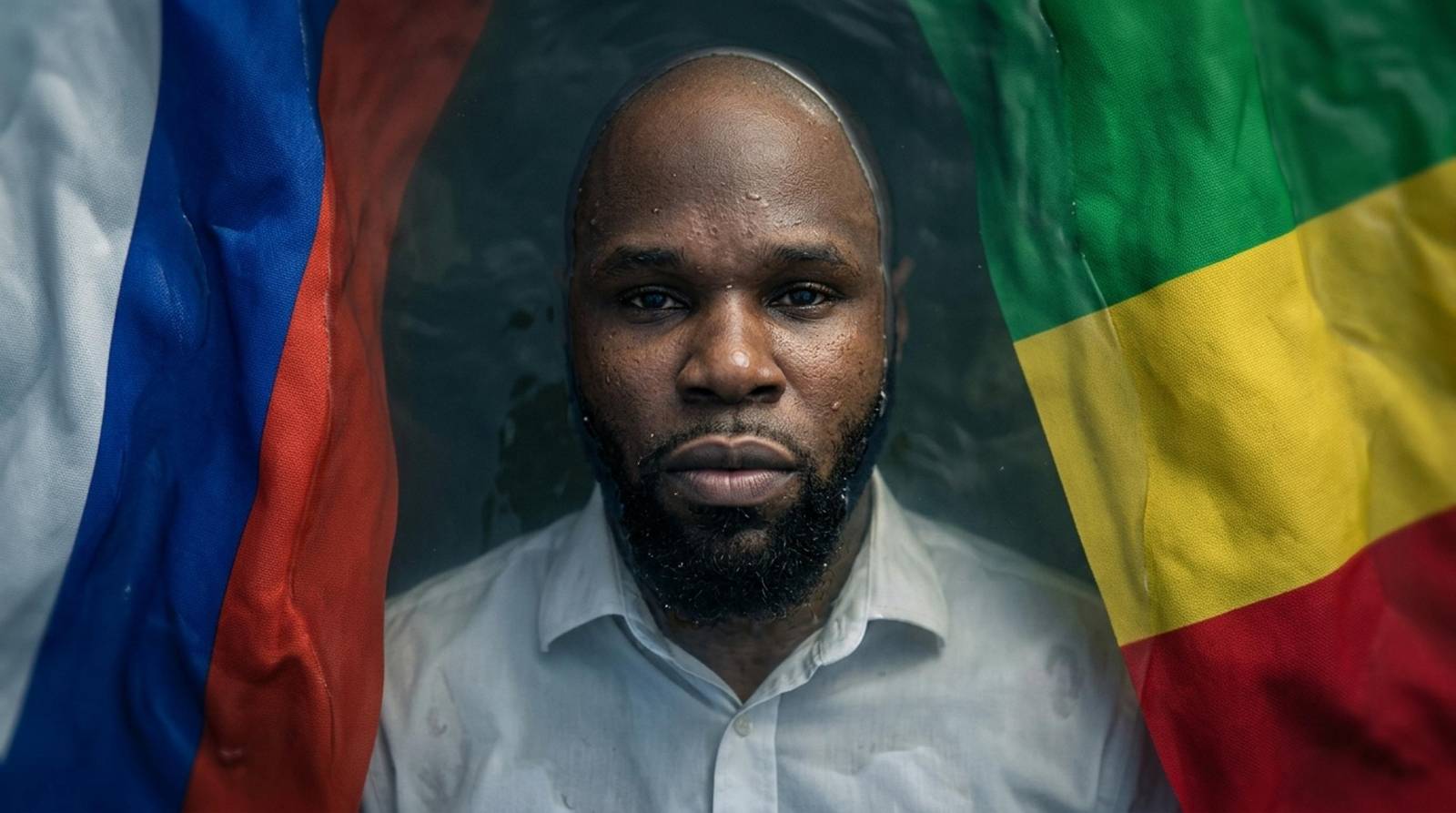
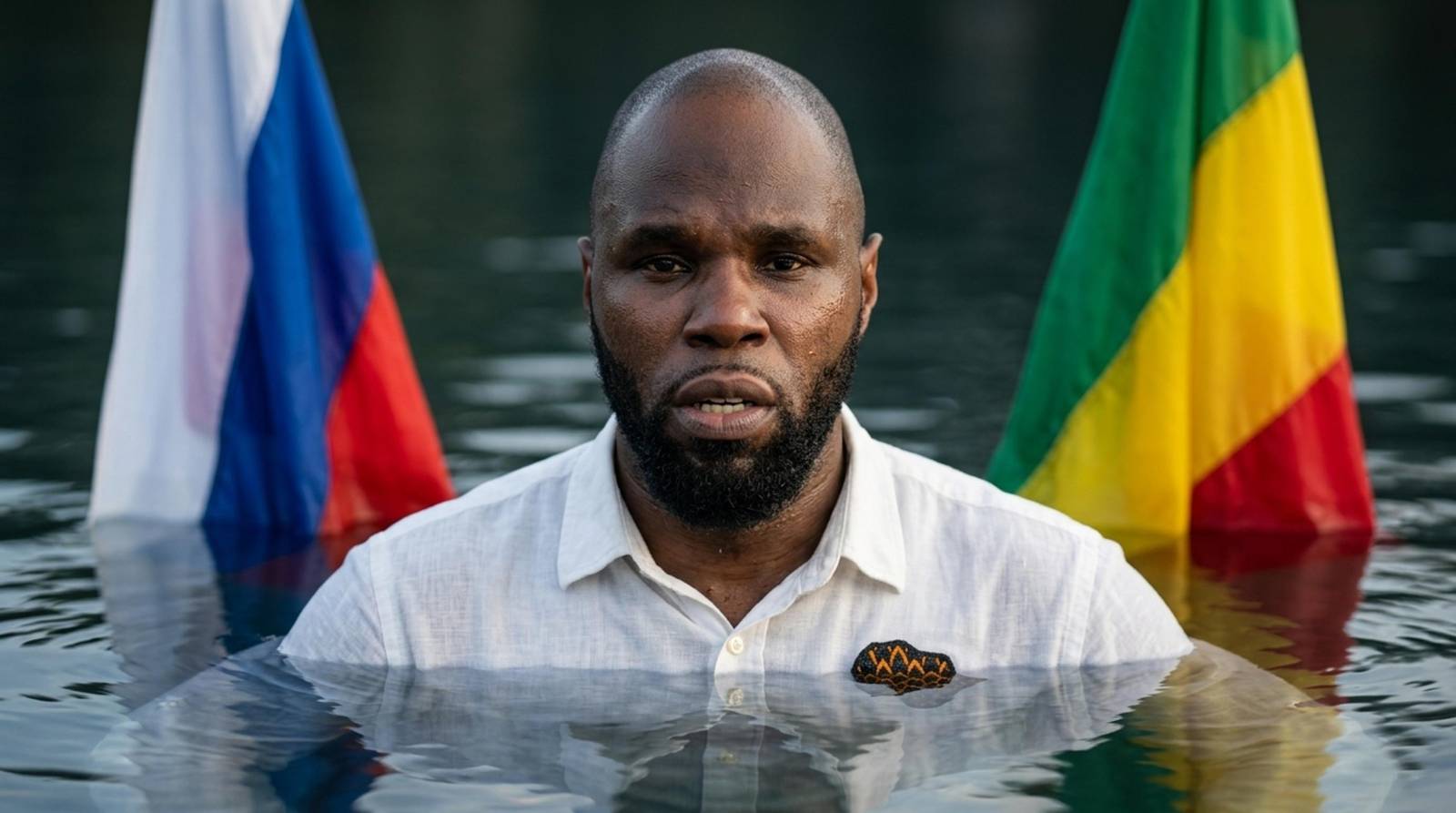
The activist’s evolving stance on Russia’s role in the Sahel didn’t materialize overnight. Once a vocal advocate for Moscow’s involvement, Seba now dismisses it as a purely transactional endeavor aimed at extracting mineral wealth. His criticism, though more pronounced today, stems from a growing disillusionment that began years ago.
Forced into exile in South Africa after legal troubles, Seba’s physical separation from the Sahel seems to have sharpened his critique. His denunciations of Russia’s extractive priorities align with a broader realization: the partnership with Moscow prioritizes geopolitical gains over regional stability. What was once hailed as a liberation movement now appears to be a strategic misalignment, where local aspirations collide with foreign interests.
The AES alliance grapples with hard truths
The unease isn’t confined to individual voices like Seba’s. For the Alliance des États du Sahel—comprising Burkina Faso, Mali, and Niger—the Mali crisis serves as a cautionary tale. The promise of an Eastern alternative to Western security models is crumbling under the weight of rising insurgency and eroding sovereignty. As Moscow’s involvement proves increasingly costly, the region’s leaders are forced to confront a sobering question: Can foreign partnerships deliver security without compromising autonomy?
Meanwhile, populations across the Sahel remain caught in the crossfire, desperate for concrete solutions rather than shifting narratives. The gap between political rhetoric and tangible progress grows wider with each attack, leaving communities to navigate a landscape where alliances are as fragile as the security they promise.