What triggered the mass walkout in Dakar
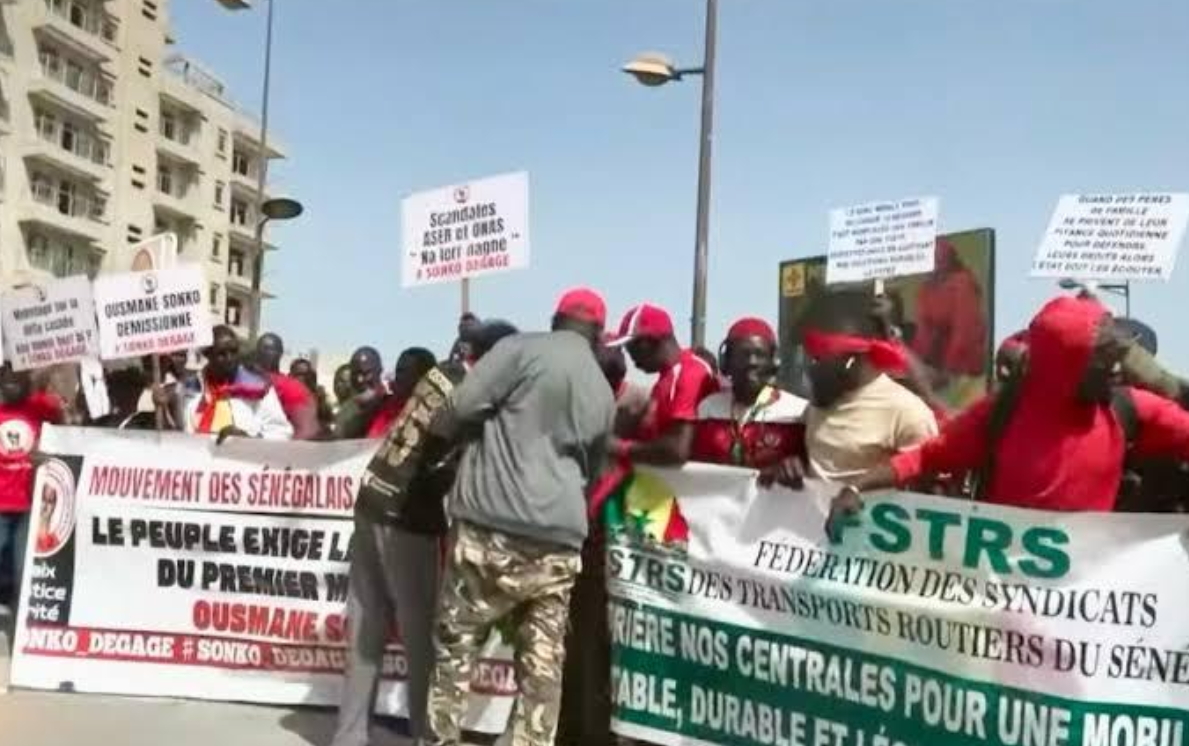
Senegal’s capital entered a tense phase on October 21, 2026, as major unions launched a 72-hour nationwide strike targeting government delays in fulfilling signed agreements. The action, spanning October 21–23, centers on unpaid teacher allowances, stalled administrative processes, and broken commitments under the April 16, 2026 accord between educators and authorities.
Demands pile up beyond educators’ grievances
While the G7 union coalition—which represents seven teacher federations—focuses on education sector violations, the broader movement led by the Front syndical pour la défense des travailleurs (FSDT) exposes deeper labor disputes. Workers demand:
- Timely payment of overdue wages for contract teachers
- Resolution of pending administrative cases
- Proper implementation of universal training initiatives
- Guaranteed funding disbursements for trainee stipends
- Adherence to signed social pacts across all sectors
Educators warn that unresolved issues risk destabilizing the 2026–2027 school year, especially after October 12 start delays caused by flooding.
Government responds with mixed signals
Prime Minister Ahmadou Al Aminou Lo convened a tripartite steering committee on October 15, reaffirming commitment to social dialogue and requesting a three-month strike moratorium to advance negotiations. However, the Ministry of Public Service and Labor countered on October 20, stating that a single notice to one ministry fails to cover a general strike spanning public, parapublic, and private sectors. Compliance violations could trigger wage deductions and disciplinary action.
The government simultaneously pledged to maintain transit routes and worker access to job sites, underscoring the delicate balance between compromise and enforcement.
Political backdrop amplifies stakes
The strike occurs amid escalating budget disputes for 2027 and institutional tensions between executive and parliamentary leaders. These divisions raise questions about the state’s ability to honor commitments amid economic strain. While unions prioritize professional demands, their actions inevitably influence national political discourse, particularly ahead of the imminent Youth Olympic Games.
Can social dialogue survive the pressure?
The next few days will reveal whether a resumed negotiation framework with enforceable milestones can de-escalate tensions or if further defiance will emerge. Sectors at risk include education, healthcare, transportation, and public administration, where service disruptions could escalate if concessions remain absent. For the administration, this crisis tests the feasibility of balancing fiscal discipline, public trust, and social peace—three pillars under scrutiny by an increasingly vocal workforce.
What comes next for Senegal’s labor landscape
The outcome hinges on tangible deliverables rather than rhetoric. Students awaiting classroom access, families relying on public services, and businesses operating under strained conditions will measure progress through concrete improvements—not pledges. One certainty remains: the government’s response to these demands will shape Senegal’s social contract for years to come.