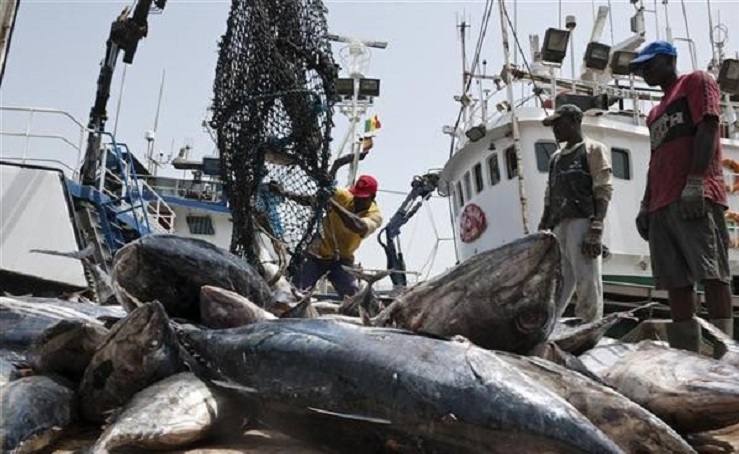
The Senegalese government has granted four coastal demersal fishing licenses to a local operator, marking a strategic move to bolster the national fish supply and reinforce food sovereignty. This initiative aligns with recent government directives aimed at stabilizing the domestic market for fishery products.
In an official statement released on May 19, 2026, the Ministry of Fisheries and Maritime Economy confirmed the licenses were awarded following a transparent process overseen by the Consultative Commission for Fishing License Allocation (CCALP) on May 12, 2026. The decision reflects the country’s commitment to sustainable resource management, as validated by scientific assessments from the Dakar-Thiaroye Oceanographic Research Center.
a science-based approach to sustainable fishing
According to the ministry, the licenses were granted under strict regulatory and scientific guidelines, ensuring that fishing activities remain within sustainable limits. The evaluation highlighted viable fishing potential in coastal demersal zones, provided access is carefully controlled and progressive. This marks a first for Senegal in formally establishing an industrial fishing mechanism dedicated to meeting domestic demand.
The selected operator has committed to channeling its entire catch to the local market while investing in infrastructure to improve fish preservation and distribution, particularly in remote regions. The goal is to enhance accessibility to high-quality, affordable seafood nationwide.
public-private partnership for food security
The process began in November 2025 when multiple operators were invited to express interest and outline their commitments under this public-private partnership framework. Only one company responded, agreeing to prioritize national supply and contribute to the development of the fishery value chain.
The ministry emphasized that this initiative balances three critical objectives: preserving fish stocks, driving economic growth, and ensuring food security for the population. By promoting responsible and transparent management of marine resources, Senegal aims to strengthen local consumption and reduce reliance on imports.
In a context of rising fish prices and concerns over dwindling stocks, this move is seen as a proactive step toward securing a stable and sustainable seafood supply for the country.