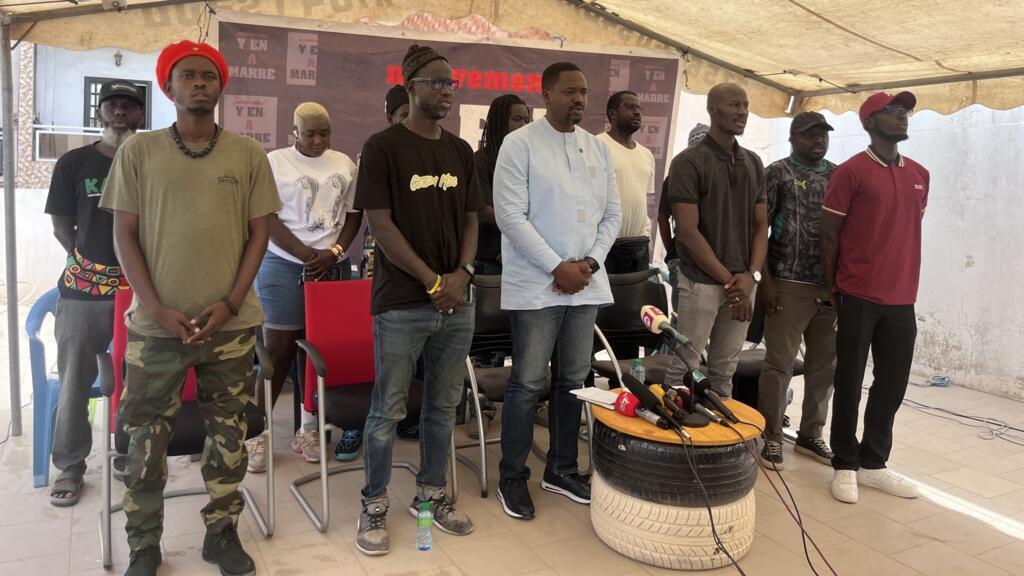
The Y’en a marre movement in Senegal is calling for transparency following the recent legislative push for constitutional changes. After the National Assembly, led by Pastef deputies, adopted the reform on Monday, June 29, the citizen collective emphasized the importance of a referendum to validate the text before it becomes law.
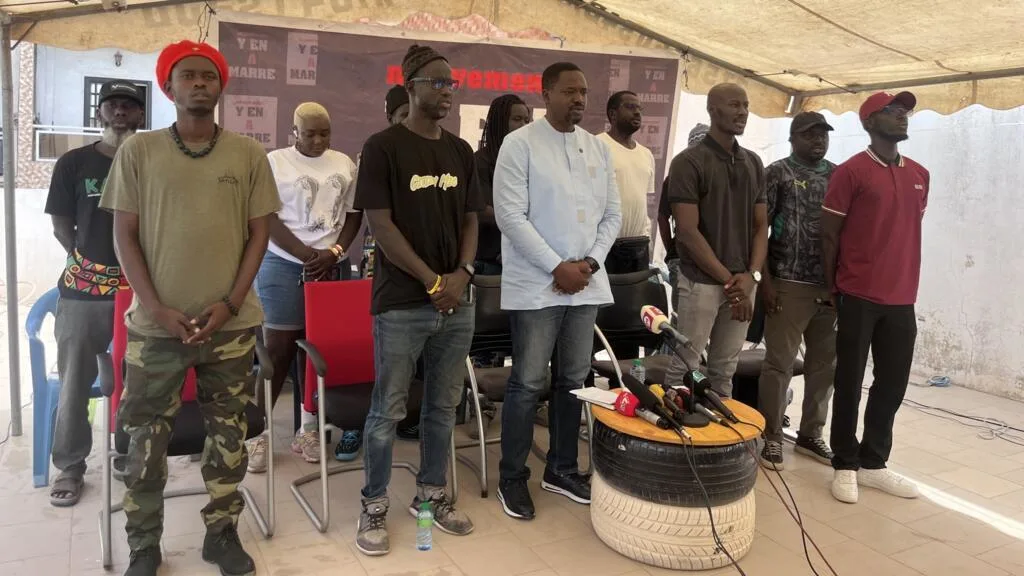
The movement, which has been active for 15 years, warned against “political calculations” and “schemes” that mirror the practices of past regimes. While President Bassirou Diomaye Faye has proposed a public vote, activists are demanding guarantees that the process will be sincere and not merely a tactical maneuver.
Concerns over political maneuvering
According to the collective, the constitutional reform is deeply tied to the ongoing political dynamic between President Bassirou Diomaye Faye and Ousmane Sonko. Aliou Sané, the founder of Y’en a marre, expressed support for the promised referendum but cautioned against ulterior motives.
“The announcement of this referendum should not be a dilatory political move intended to shield the Pastef initiative,” Aliou Sané stated. He urged the government to allow citizens the opportunity to fully comprehend the changes before making a decision.
Allegations of smear campaigns
The collective also denounced the return of old strategies used to silence dissent. Since taking a stand against the Pastef approach, Y’en a marre has reportedly been targeted by party supporters who label the movement as an “LGBT lobby.” This is a particularly sensitive and dangerous accusation in Senegal, where laws against homosexuality were strengthened in March.
Aliou Sané noted that such tactics were previously employed by the administrations of Abdoulaye Wade and Macky Sall. He pointed out the hypocrisy of the current leadership, noting that many who are now in power were once allies of the movement and were equally outraged by such smears in the past.
Furthermore, the group highlighted the arrest of twelve people near the National Assembly on the day the reform was passed. Among those detained were nine young members of the opposition party Alternative pour la relève citoyenne (ARC). They were held for “disturbing public order” and “participating in an unauthorized demonstration” before being released later that day.