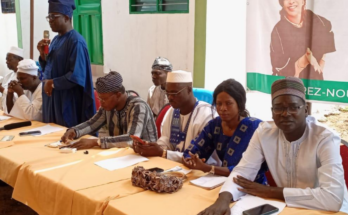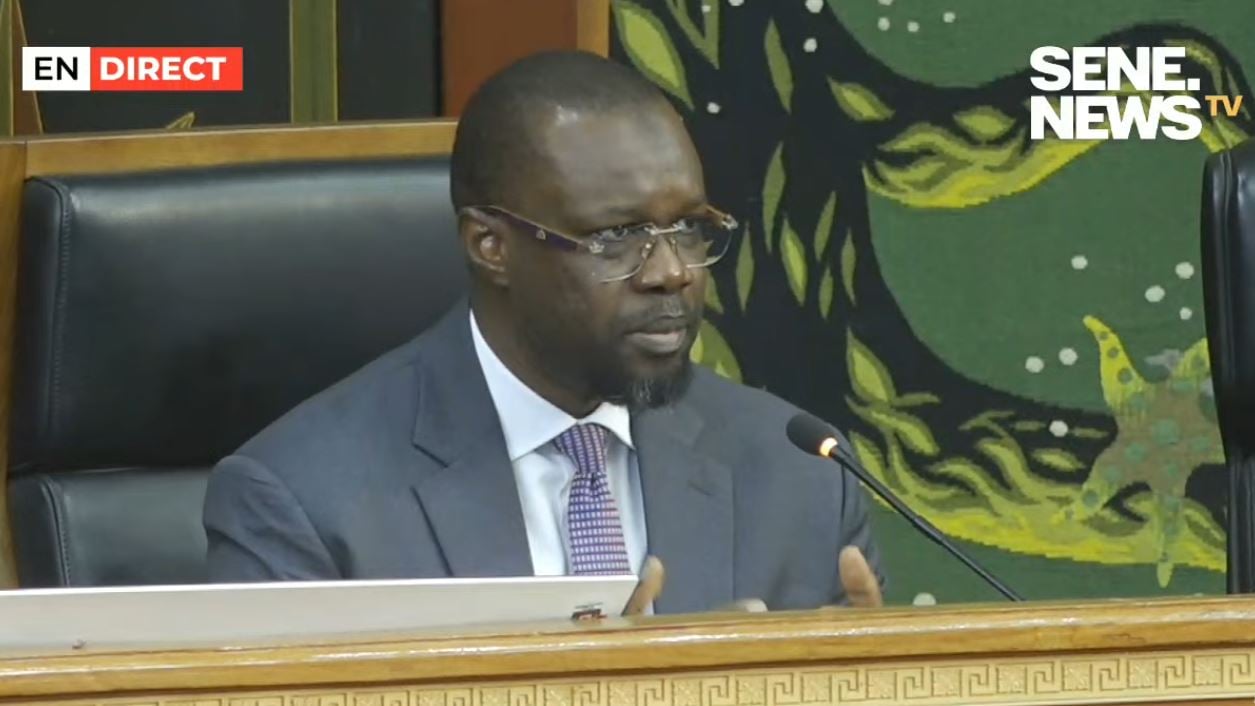
In a bold political maneuver, the Front pour la Défense de la Démocratie et de la République (FDR) has formally requested the immediate removal of Prime Minister Ousmane Sonko from the Senegal National Assembly. The coalition argues that his continued presence in the legislative body violates existing legal and constitutional provisions, sparking intense debate across the political spectrum.
Legal and constitutional challenges
The FDR’s petition revolves around a fundamental question: Can a sitting Prime Minister simultaneously hold a parliamentary seat? The coalition insists the answer is a resounding no, pointing to Article LO172 of the Electoral Code, which mandates that any government minister elected as a deputy must resign from their ministerial position within eight days. Failure to comply, they argue, should result in automatic forfeiture of the parliamentary mandate.
Beyond the Electoral Code, the FDR contends that procedural adjustments to the National Assembly’s internal regulations cannot override constitutional and statutory obligations. The coalition views the recent parliamentary vote allowing Sonko’s return as a direct violation of these foundational legal frameworks, demanding its immediate reversal.
Political fallout and constitutional safeguards
The opposition’s stance has galvanized other political factions, with multiple parties and civil society groups rallying behind the call to uphold constitutional integrity. Several opposition deputies have escalated the matter by filing a formal complaint with the Senegal Constitutional Council, seeking a definitive ruling on the legality of Sonko’s parliamentary status.
The FDR has framed this as more than a procedural dispute—it’s a fight to preserve democratic principles. In their statement, the coalition urged all citizens to stand vigilant in defense of the Constitution, the rule of law, and the integrity of state institutions, warning that any erosion of these safeguards could set a dangerous precedent for future governance.
As legal experts and political analysts dissect the implications of this case, the debate shows no signs of abating. For now, the future of Ousmane Sonko’s parliamentary career remains suspended in a legal and political limbo, with the Constitutional Council’s deliberations poised to shape the trajectory of Senegal’s democratic norms.