A decisive day for Senegal’s political landscape
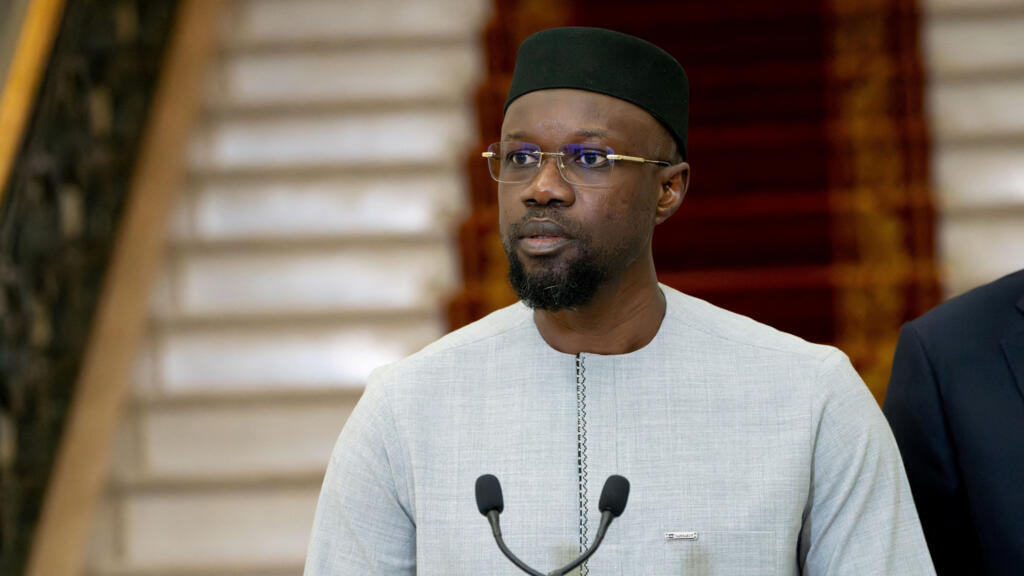
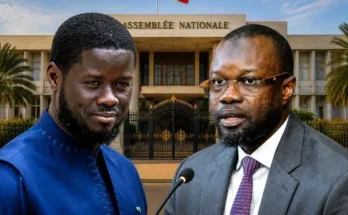
Senegal is navigating uncharted political waters this morning as the nation awakens to a reshuffled government and a pivotal parliamentary session. Two major developments are set to unfold: the appointment of a new prime minister and the election of the National Assembly president, reshaping the country’s political landscape.
A new face at the helm: the technocrat takes charge
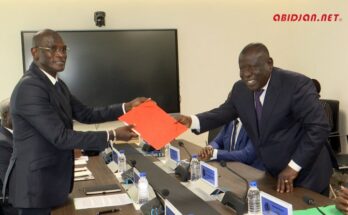
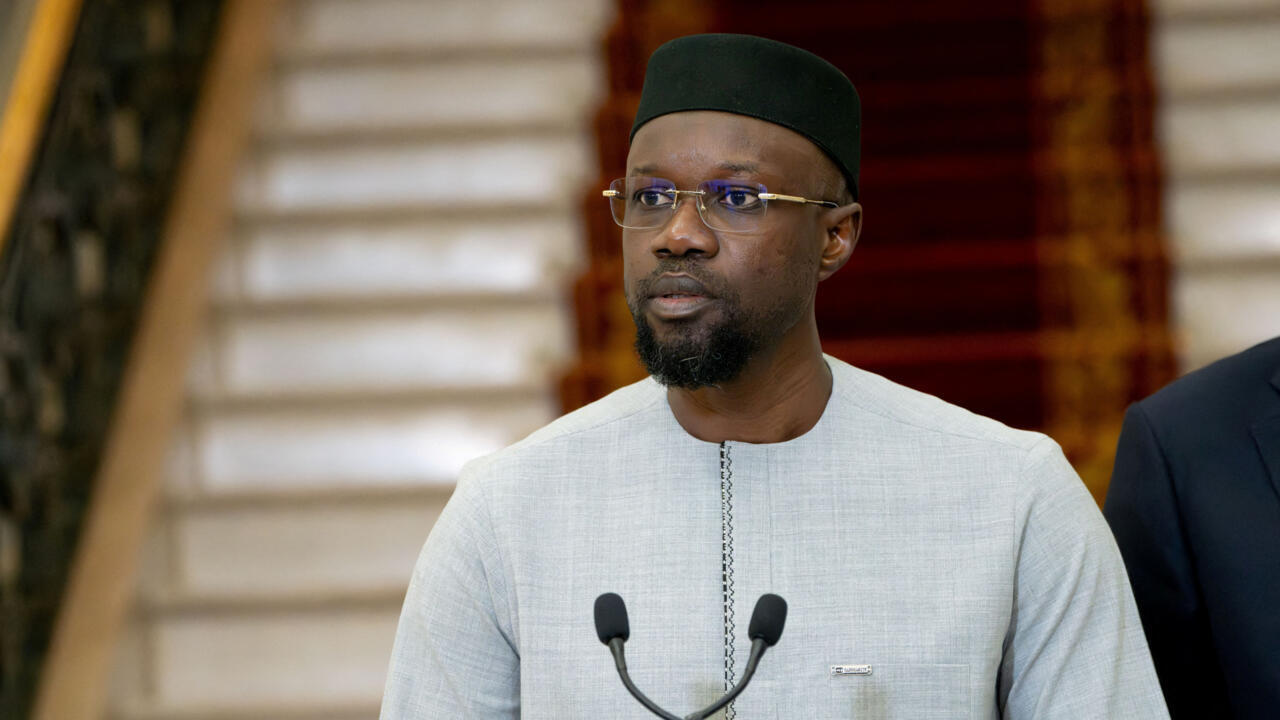
After the departure of Ousmane Sonko, Ahmadou Al Aminou Mohamed Lo steps into the role of prime minister, bringing a reputation as a financial expert with deep knowledge of national and international monetary circuits. Previously serving as Minister of the National Agenda for Senegal 2050, he is widely recognized for his expertise in macroeconomics, banking regulation, financial markets, and Islamic finance. Local media describes his appointment as a strategic move, positioning him to navigate Senegal’s challenging budgetary environment while advancing the nation’s long-term ambitions.
«After Sonko the orator, Lo the technician at the helm», noted one publication, emphasizing his role as a pragmatic leader in turbulent times. With a strong background in economic governance, Lo is seen as a key figure in implementing the new administration’s vision.
A legislative showdown: Sonko’s return to parliament?
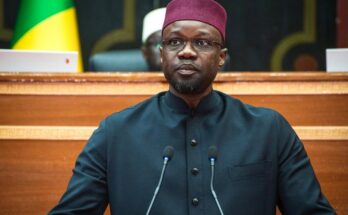
The National Assembly convenes this morning for a session that could redefine the balance of power. The agenda includes the possible reinstatement of Ousmane Sonko as a deputy and the election of a new Assembly president. The stakes are high, as Sonko’s party, Pastef, holds a commanding majority of 130 out of 165 seats, a result of the November 2024 legislative elections.
Some observers suggest that Sonko’s return to parliament could lead to a unique cohabitation, where the president would govern alongside a legislative majority loyal to his main political rival. However, legal uncertainties loom large. Critics argue that Senegalese law typically treats the replacement of a deputy by a substitute as permanent for the duration of the legislature, raising questions about Sonko’s eligibility to resume his parliamentary role.
The session promises to be intense, with potential consequences for the country’s political stability. If Sonko’s reinstatement is approved, Senegal could enter uncharted territory, testing the resilience of its democratic institutions.
The 2029 horizon: what lies ahead?
Amid these developments, all eyes are turning toward the 2029 presidential election. Ousmane Sonko remains a central figure in the political narrative, and his party has already begun reforms to the electoral framework. These changes are seen by some as efforts to remove obstacles that previously barred his candidacy. Yet, a critical question lingers: will Sonko’s ambitions remain focused on the 2029 timeline, or will he seek to accelerate the political process by reshaping the balance of power?
Analysts warn that such a move could risk destabilizing the country. Senegal, long regarded as a stable democracy in a region plagued by institutional crises, may be entering a phase of heightened political turbulence. The formation of the new government will be closely watched, as questions arise about the composition of the cabinet. Will the new ministers come from Pastef, or will they be loyalists to President Diomaye Faye without ties to the party? Could the president even consider dissolving the Assembly, sending Senegalese voters back to the polls? If Pastef were to regain a majority, not only would 2029 become an uphill battle for Faye, but Sonko would emerge as an undeniable political kingmaker in Senegal.