Senegal’s political landscape shifts as Assembly Speaker resigns

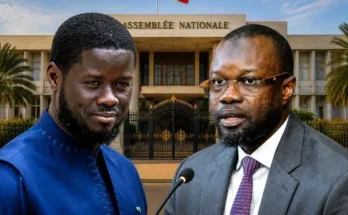
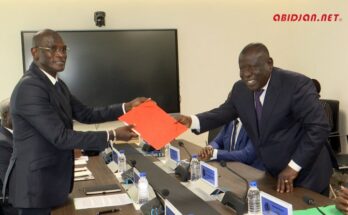
The political drama in Senegal deepened over the weekend, as Malick Ndiaye, the Speaker of the National Assembly, tendered his resignation just 48 hours after Ousmane Sonko was removed from his role as Prime Minister. The announcement came shortly after a closed-door meeting of the Pastef party, which Ndiaye represents.
In a heartfelt statement posted on social media, Ndiaye explained his decision, stating, “After careful reflection and guided by a deep sense of national duty, I have chosen to step down from my position as Speaker of Senegal’s National Assembly. This decision is rooted in my commitment to institutional integrity, public responsibility, and the supreme interest of the nation.” He had previously served as the second-highest-ranking official in the country.
Since assuming leadership of the Assembly, Ndiaye has worked tirelessly alongside lawmakers and parliamentary staff to strengthen the institution, enhance transparency, and elevate Senegal’s parliamentary profile both domestically and abroad.
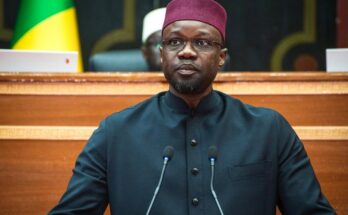
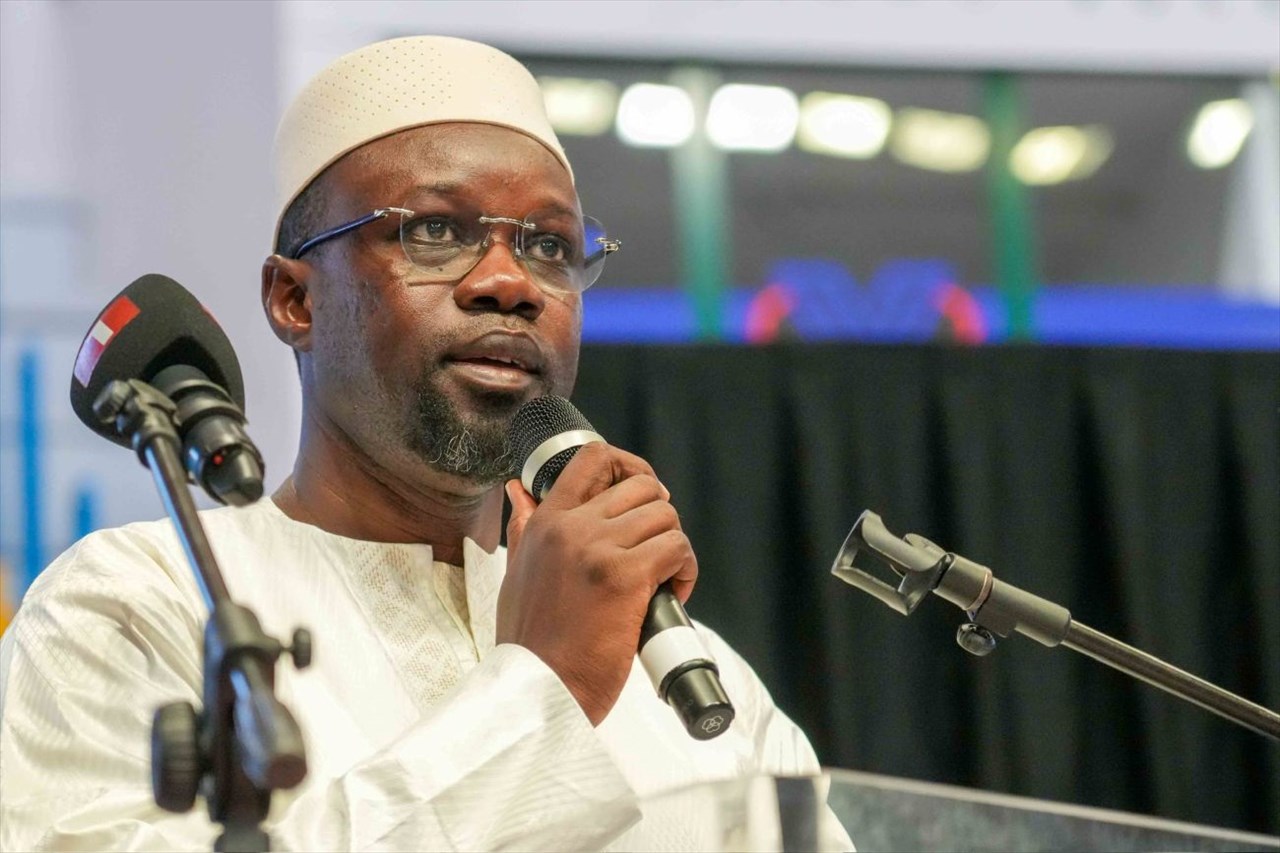
The Assembly also moved quickly to reinstate Ousmane Sonko as a deputy on the same day. Following this, lawmakers scheduled a vote for a new Speaker on Tuesday, May 26, with Sonko widely expected to secure the position. His party, Pastef, holds a commanding majority in Parliament, making his rise to the speakership a near certainty. Within the span of just 72 hours, Sonko could transition from a dismissed Prime Minister to the nation’s second most influential political figure.
With these developments, Senegal appears to be shifting from a collaborative leadership between Bassirou Diomaye Faye and Sonko to a more competitive political dynamic. Strategic alliances, shifting power balances, and calculated maneuvers are likely to dominate the national political stage in the coming months, especially with local elections on the horizon and the 2029 presidential race looming.
One critical question remains unanswered: will President Bassirou Diomaye Faye opt to dissolve the National Assembly once the constitutional deadline expires in December? Until then, the nation remains on edge, awaiting the appointment of a new Prime Minister tasked with forming a government under intense political pressure.