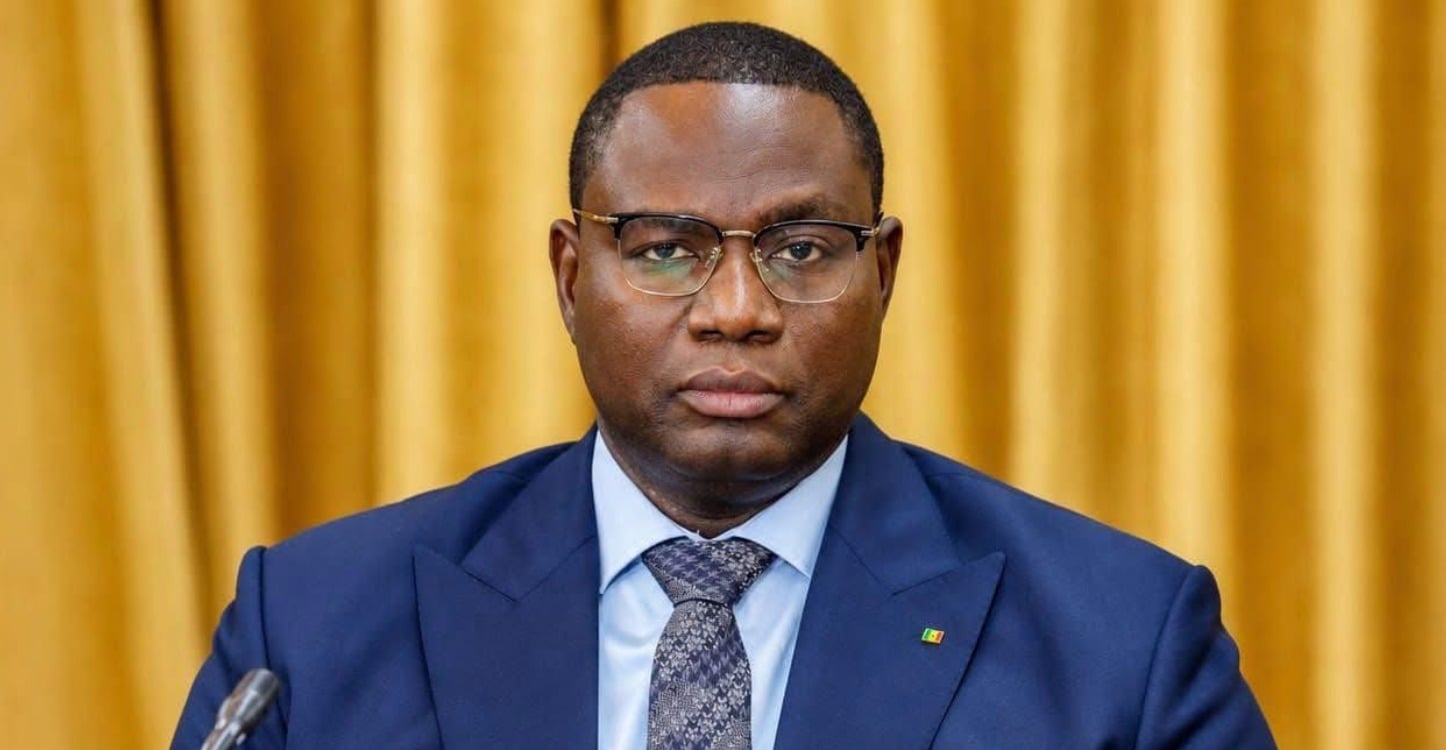
In a climate of heightened political tensions within the PASTEF party, Minister Moussa Bala Fofana has addressed public criticism leveled by party leader Ousmane Sonko. The Minister of Urban Planning, Local Authorities, and Territorial Development reaffirmed his unwavering loyalty to President Bassirou Diomaye Faye while underscoring the critical importance of maintaining state continuity despite internal disagreements.
The minister’s statement arrives at a pivotal moment, as PASTEF grapples with internal divisions and debates surrounding the political alignment of key government figures. His remarks follow recent remarks by Ousmane Sonko, who questioned the loyalty of several reappointed officials within the executive branch.
Reaffirming loyalty and institutional trust
Moussa Bala Fofana, now serving his third term in government, emphasized the renewed confidence placed in him by the President. He described his reappointment as a significant institutional honor and stressed that he had not previously known President Bassirou Diomaye Faye before the party’s rise to power. Instead, he highlighted his discovery of a governance framework dedicated to implementing public policies effectively.
A history of collaboration amid evolving dynamics
The minister also reflected on his past collaboration with Ousmane Sonko, now Speaker of the National Assembly, describing him as a central figure in the party’s founding political vision. Despite the current divergence in perspectives, Fofana insisted that their professional and political relationship remains intact. He acknowledged that while Sonko’s recent statements have sparked debate, they have not altered the underlying respect and shared commitment to national progress.
Personal conviction over partisan pressure
Addressing Sonko’s remarks directly, Moussa Bala Fofana firmly distanced himself from any interpretation suggesting disloyalty or partisan defiance. He stated, “I acted with full autonomy and in my personal capacity.” He clarified that his decision to remain in government was not driven by career ambitions or defiance but by a personal interpretation of his public responsibilities. Crucially, he denied any political pressure influencing his choice, framing it as a deliberate act of conscience.
Balancing party discipline with national duty
Fofana framed his decision as a deliberate choice between party discipline and national responsibility. He explained that he prioritized the commitments made to citizens during the 2024 electoral campaign, asserting that duty to the nation must prevail over immediate political considerations. His stance, he argued, reflects a commitment to public service where the general interest takes precedence over partisan interests.
Embracing accountability and public service
The minister also acknowledged the personal and political repercussions of his position, accepting potential criticism and misunderstanding as part of the process. He distanced himself from the pursuit of popularity, prioritizing administrative continuity and the effective implementation of public policies. In his closing remarks, he emphasized that national imperatives transcend partisan affiliations, stating, “Senegal is greater than any one of us.” He concluded by reaffirming his dedication to what he termed loyalty to conscience and public service.