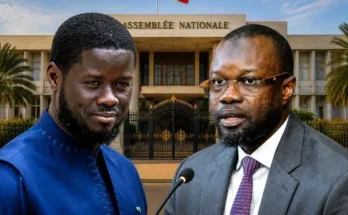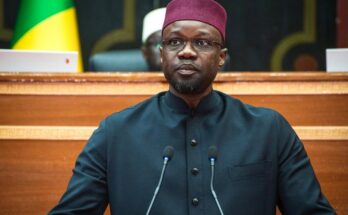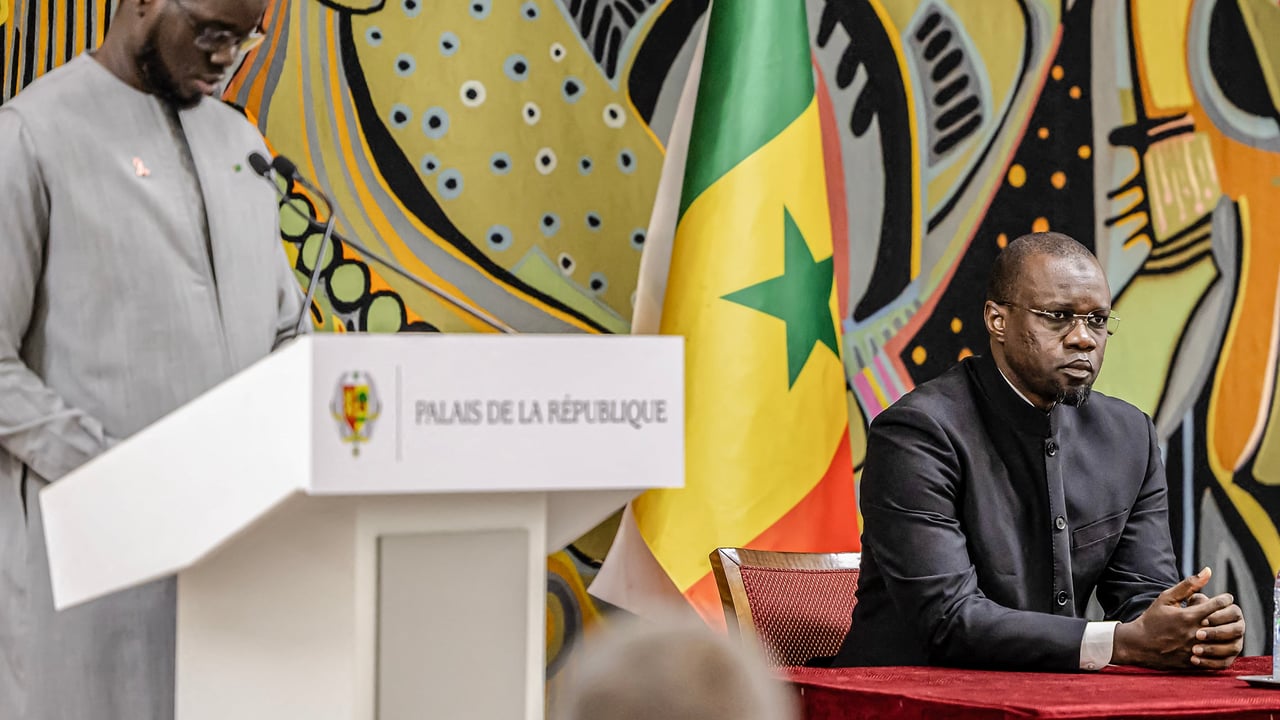

On April 4, 2025, during a press briefing marking National Day, President Bassirou Diomaye Faye made his intentions clear: he intends to overhaul the balance of powers between the presidency and other state institutions. Speaking with conviction, he declared, “I want strong CEOs, strong ministers, a super strong Prime Minister. I don’t want to be the type of president who holds all the power.”
This statement marked the beginning of a constitutional reform process that analysts argue could reshape Senegal’s political landscape. While the president frames the move as a decentralization effort, critics warn it may disproportionately benefit one political figure: Ousmane Sonko, leader of the PASTEF party.
Why the reform could strengthen Ousmane Sonko’s position
Under the current system, the president wields significant centralized authority, making it difficult for opposition figures to challenge the executive branch. The proposed changes, however, would redistribute some powers to prime ministers and government officials—positions Sonko could influence if his party gains influence in future elections.
The reform introduces several key modifications:
- Expanded executive team: A stronger Prime Minister and cabinet would create new leadership roles that could be filled by Sonko allies, depending on political developments.
- Decentralized governance: Regional leaders may gain more autonomy, potentially aligning with Sonko’s regional support base.
- New electoral dynamics: Changes to term limits and election processes could favor parties with strong grassroots mobilization, like PASTEF.
Political implications for Senegal
The debate over constitutional reform has intensified divisions in Senegal’s political sphere. Supporters of the changes argue they will modernize governance and prevent power concentration. Opponents, however, see a calculated move to weaken institutional checks and balances before future elections.
Ousmane Sonko, currently the most prominent opposition leader, has built his political career on challenging the status quo. If the reform passes, his party’s ability to influence key appointments could grow significantly—potentially positioning him for greater influence in a future administration.
The coming months will reveal whether the reform strengthens democratic institutions or creates new avenues for political dominance. What remains certain is that the balance of power in Senegal is on the brink of transformation.