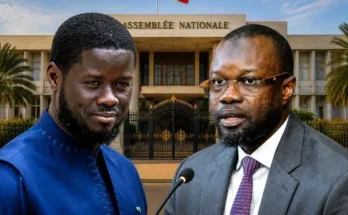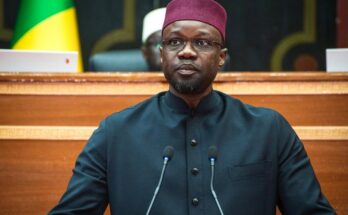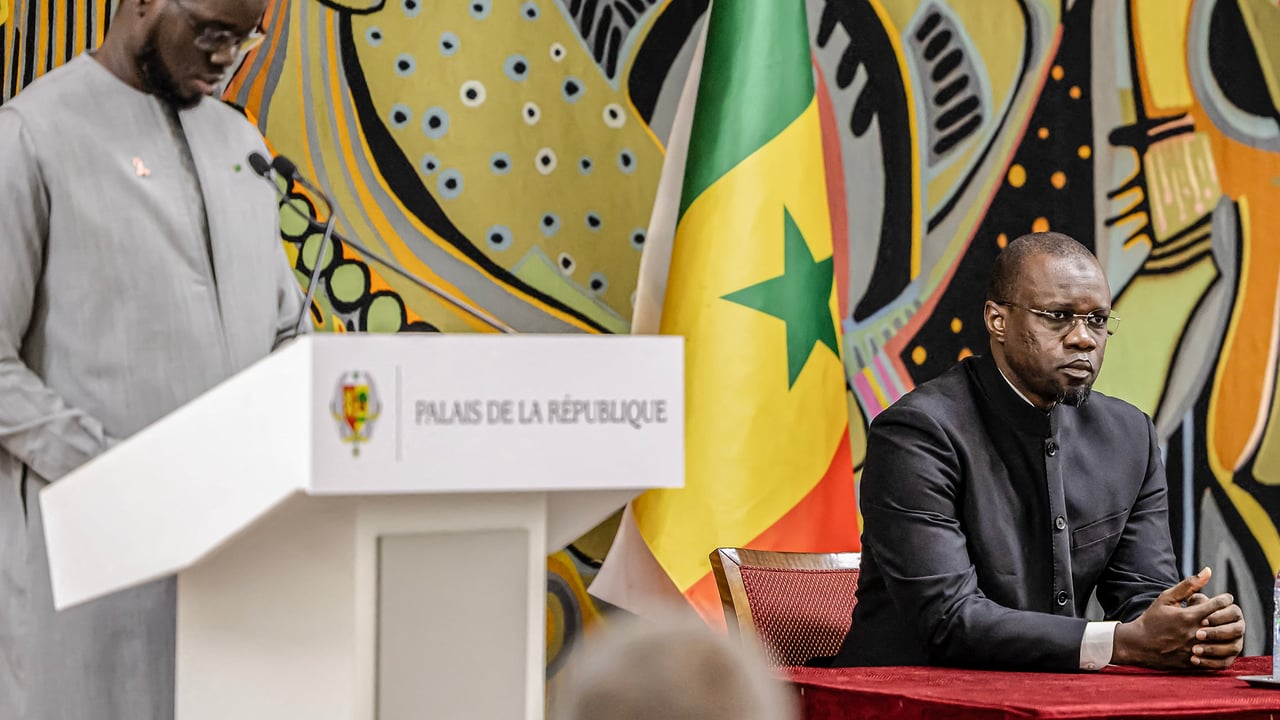

In a bold move to redefine political governance, President Bassirou Diomaye Faye has signaled his intention to overhaul Senegal’s constitutional framework. Speaking on National Day last April, he emphasized his vision for a balanced executive power, declaring: «I want strong CEOs, strong ministers, a highly empowered Prime Minister. I don’t want to be a president who centralizes all authority.» His remarks have ignited a national debate about the potential implications of such reforms—particularly for opposition leader Ousmane Sonko.
How the proposed changes could favor a key political figure
The constitutional amendments, currently under review, aim to redistribute executive prerogatives. While the president’s statement suggests a shift toward a more collaborative governance model, political analysts argue that the restructuring could inadvertently strengthen the position of Sonko and his party, PASTEF.
Under the new framework, key provisions include:
- Expanded parliamentary oversight: A strengthened National Assembly would gain greater influence over executive decisions, potentially creating a more level playing field for opposition voices like Sonko.
- Prime Minister’s enhanced role: The premier’s authority would increase, reducing the president’s direct control over day-to-day governance—a move that could benefit Sonko if he were to assume the role.
- Decentralization of power: Local governments may receive more autonomy, aligning with Sonko’s long-standing advocacy for regional empowerment.
Strategic advantages for Ousmane Sonko
For Sonko, these reforms could provide multiple strategic benefits:
- Greater political visibility: A more active prime ministerial role would position him at the forefront of national policy discussions.
- Leverage in coalition-building: Enhanced parliamentary powers could help Sonko consolidate alliances with other opposition groups.
- Platform for reform advocacy: Decentralization measures could reinforce his image as a champion of grassroots governance.
Public and political reactions
The proposed changes have sparked mixed reactions. Supporters of the reforms argue they will modernize Senegal’s political landscape, fostering transparency and accountability. Critics, however, warn of potential instability, particularly if the new system creates power vacuums or exacerbates political rivalries.
President Faye’s team has framed the initiative as a commitment to democratic renewal. Yet, the timing and design of these amendments have raised questions about their long-term impact on the balance of power—especially in anticipation of future elections.
What’s next for Senegal’s constitutional evolution?
As the National Assembly prepares to deliberate on the reforms, all eyes remain on how these changes could reshape the political landscape. For Ousmane Sonko, the proposed shifts may offer a unique opportunity to elevate his influence—but only if the new system delivers on its promises of collaboration and shared governance.