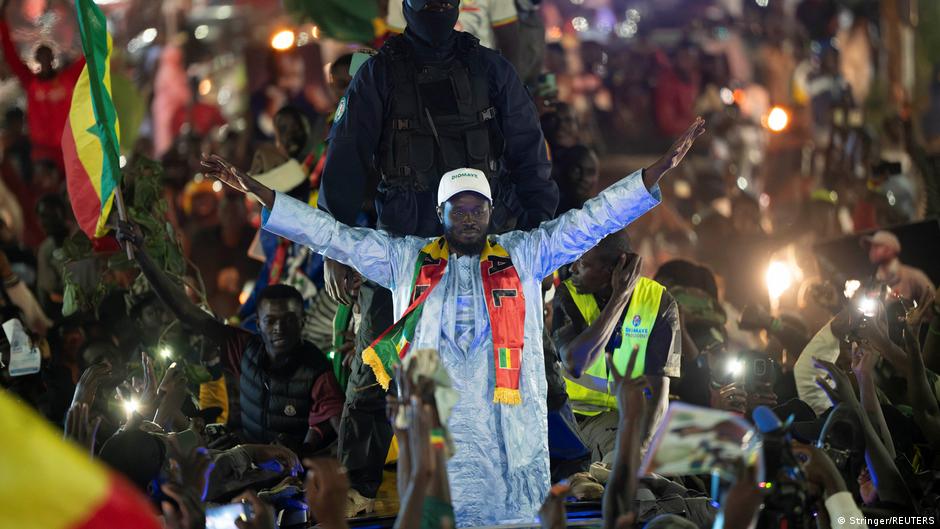
In Mbour, his hometown, the presidential coalition Diomaye Président made a deliberate move to signal a shift in its relationship with the Pastef party. The gathering, framed as a performance review event, carried substantial political weight—not just for the ruling majority’s internal balance but also for upcoming elections.
Building a presidency independent of Pastef
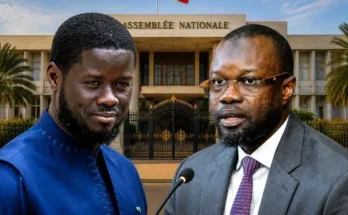
For months, Senegalese President Bassirou Diomaye Faye has been steering toward greater independence from the Pastef, the political movement founded by his Prime Minister Ousmane Sonko. During a widely discussed interview in early May, Faye criticized the Pastef for what he called “an excessive focus on personalities”, widely seen as a pointed reference to Sonko’s outsized influence in Senegal’s political landscape.
The Mbour gathering reflects this broader trend. Political analysts interpret it as an attempt to cultivate a “Diomayiste” movement—one rooted in presidential authority and distinct from the grassroots structure of the Pastef. This move underscores the constitutional principle that the presidency holds ultimate executive power, even within a dominant coalition.
A high-stakes popularity test
The choice of Mbour was far from random. It’s both a strong electoral base and a secure venue to gauge the president’s ability to mobilize support outside the Pastef network. The turnout at the Caroline-Faye stadium demonstrated real grassroots backing, though the president’s absence—replaced by a video address—sparked debate.
Analysts argue the event served two key purposes: to showcase a popular base beyond the Pastef core and to prepare the public for potential political realignment ahead of the next legislative elections and, crucially, the 2029 presidential race.
The 2029 question: should Faye run again?
At the Mbour event, several coalition leaders openly urged Bassirou Diomaye Faye to seek a second term. While premature, their statements reveal strategic intent. If constitutionally permitted, this decision would reshape the majority’s dynamics—either forcing a long-term cohabitation with Sonko or forcing a clear division of roles and ambitions.
However, the relationship between the two leaders is increasingly strained. Targeted dismissals, shifts in presidential communication, and disputes over coalition control point to a simmering power struggle at the heart of government. A public rupture could destabilize the majority, while an unclear cohabitation risks political fatigue.
The president faces immense social expectations: youth employment, cost of living, judicial reform, and economic governance. While the government highlights progress, delayed results on key pledges are fueling public impatience across Senegal.
In this context, the Mbour event also served as a mobilization effort, coming at a time when the executive acknowledges “challenging times ahead”, driven by budget constraints and rising debt.
A turning point for Faye’s presidency
The Mbour gathering marks a pivotal moment in Bassirou Diomaye Faye’s term. It signals his transition into a more traditional, and riskier, phase of governance—one where he must balance political loyalty, institutional authority, and long-term strategy.
Will this strategy of differentiation strengthen his position or spark lasting division within the majority? In a country where unity has long been touted as the foundation of the “breakthrough” promised in 2024, the stakes couldn’t be higher.