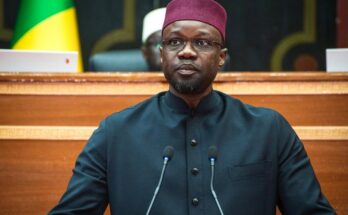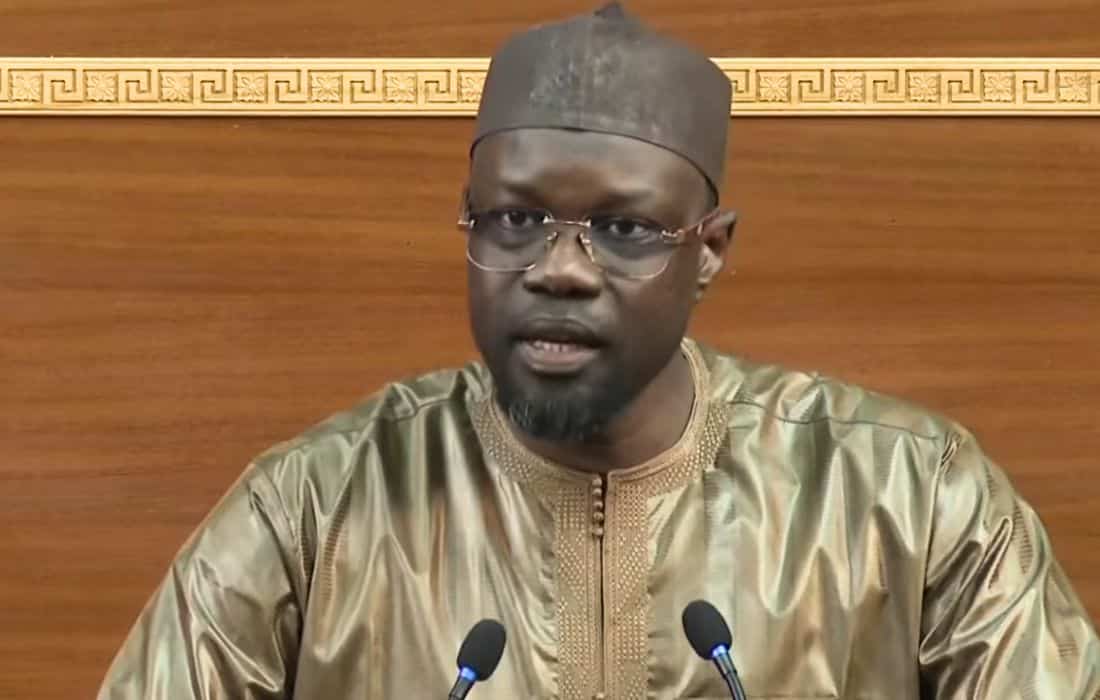
The Prime Minister of Senegal, Ousmane Sonko, recently condemned what he described as the “dictate” of Western nations, going so far as to label it a “tyranny” accused of attempting to “impose homosexuality” globally. His remarks, delivered in the National Assembly, reflect escalating tensions between national sovereignty and human rights, especially as Senegal tightens its laws regarding same-sex relationships.
This rhetoric is part of a growing narrative rejecting Western pressure, where LGBT rights have become a political and geopolitical battleground. Meanwhile, Senegal has further hardened its stance: in early 2026, penalties for same-sex relations were increased to between five and ten years in prison. This legal shift occurs amid heightened political visibility on the issue and a social climate marked by stigmatization and reported arrests by human rights organizations.
a polarizing debate on LGBT rights in Senegal
Public reactions to LGBT rights in Senegal remain sharply divided, particularly on social media. Phrases like “we won’t let our laws be dictated”, “these are our values”, and “mind your own business” frequently dominate discussions. Beneath these responses lies a recurring tension between national sovereignty and human rights.
In this context, LGBT rights are often framed as foreign interference, while legal restrictions are defended in the name of culture, tradition, or national identity. This framing shifts focus away from the lived realities of those affected, obscuring the human consequences of such policies.
harsh penalties and real-world consequences
In Senegal, same-sex relations are criminalized under the Penal Code. The 2026 amendment significantly increased penalties, now ranging up to a decade behind bars. Beyond the legal framework, human rights groups warn of severe social repercussions: widespread stigmatization, arbitrary arrests, and violent attacks against LGBT individuals. The public debate, therefore, extends far beyond legal technicalities to the very safety and dignity of people’s lives.
why lgbt rights in Senegal matter internationally
A recurring question arises: why do international organizations engage with the issue of LGBT rights in Senegal?
The answer lies in the fundamental principle of the universality of human rights. When individuals face punishment or violence due to their sexual orientation, the issue transcends national borders. It touches upon dignity, security, and even survival—principles meant to be globally upheld, not confined by geography.
human rights: external imposition or international commitment?
Contrary to claims in public discourse, human rights are not an externally imposed standard. They are grounded in international agreements voluntarily ratified by states, including Senegal.
In 2001, Senegal adopted a Constitution that enshrines the Universal Declaration of Human Rights as a cornerstone of its legal system. This commitment underscores the nation’s dedication to non-discrimination and human dignity. Highlighting these principles is not about imposing a societal model but upholding existing legal obligations. The debate over LGBT rights in Africa hinges on this distinction: it is about protecting individuals at real risk, not cultural intrusion.
lgbt identities are not foreign to Senegal
Another common argument suggests that LGBT identities are alien to African societies or imported from abroad. This claim does not align with reality.
LGBT individuals exist in every society, including Senegal. They are born, live, and work there. Their presence is not a cultural import but a universal human reality. Historical records also document diverse gender and sexual expressions across West Africa, such as the goor-jigeen in Senegal. While not identical to modern categories, these examples show that such realities are not recent or foreign inventions.
a debate shaped by deep-seated tensions
The debate over LGBT rights in Senegal is entangled in broader conflicts: colonial legacies, domestic politics, social dynamics, and outright hostility toward LGBT individuals. In this climate, defending human rights is often dismissed as foreign interference, while legal restrictions are justified under the guise of culture or tradition. This framing distances the conversation from the lived experiences of those most affected.
Some public narratives go even further, framing LGBT rights as a “threat” or “cancer”. Such language dehumanizes the debate, reducing individuals to problems rather than recognizing their fundamental rights.
defending rights without imposing values
Organizations advocating for LGBT rights emphasize that their mission is not to impose a foreign model but to protect individuals from punishment, exclusion, or violence based on their sexual orientation. Beneath debates over sovereignty or interference lies a stark reality: real people face danger every day because of who they are. This is unacceptable under any circumstances.
global human rights mobilization
Human rights violations are not confined to Senegal. They occur worldwide, from Russia to China and beyond. Human rights organizations act based on local alerts, available resources, and contextual needs. Attention to one situation does not imply an attempt to rank suffering but reflects specific mobilization efforts. The fight for human rights is inherently contextual yet universally rooted in shared principles.
taking concrete action
In response to these realities, initiatives are underway to provide direct support to LGBT individuals in Senegal. Campaigns offering legal aid, emergency assistance, and community resources aim to transform awareness into tangible relief for those affected by criminalization. Supporting such efforts provides a lifeline to individuals navigating oppressive laws and societal hostility.