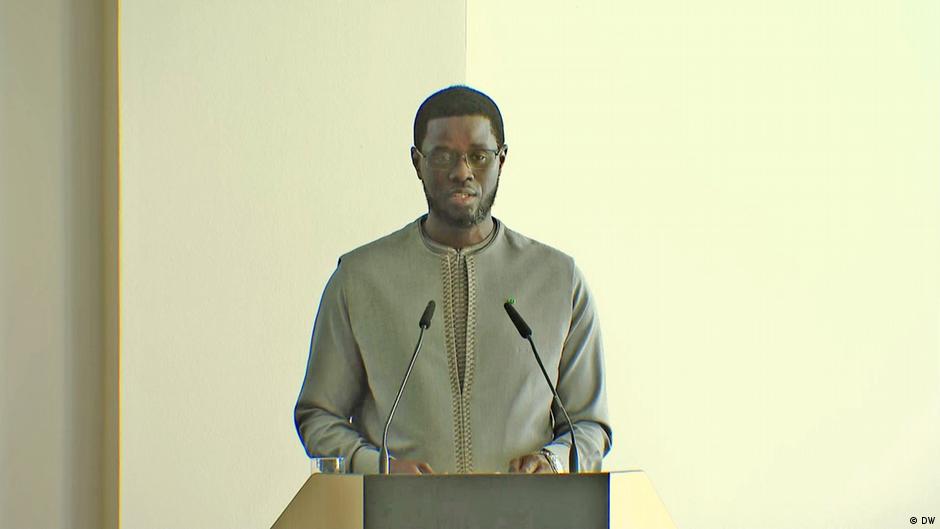
Senegal’s President Bassirou Diomaye Faye concluded a high-profile visit to Berlin by highlighting the West African nation’s growing appeal to international investors. His agenda included a keynote speech at a German-Senegalese economic forum, followed by a pivotal meeting with German Chancellor Friedrich Merz and a separate session with President Frank-Walter Steinmeier on Tuesday.
Dakar’s strategy to court foreign capital took center stage as Faye outlined Senegal’s economic strengths and investor-friendly reforms. Speaking to a packed audience of business leaders and policymakers, he emphasized the country’s commitment to improving its business environment, tightening anti-corruption measures, and introducing new regulatory frameworks—including an updated investment code and a revised customs code designed to “cut through bureaucratic red tape.”
Stability, resources, and strategic location
Faye positioned Senegal as a gateway to sub-Saharan Africa’s largest trading blocs, noting its “political stability” and “deep-rooted democratic traditions”. The president pointed to the country’s advantageous geography, describing it as a bridge to a “market of more than 300 million consumers” within the Economic Community of West African States (ECOWAS) and a “billion-strong consumer base” across the African Continental Free Trade Area.
He also spotlighted Senegal’s untapped natural wealth, citing recent oil and gas discoveries now being developed, alongside significant deposits of phosphate, iron, gold, zircon, and uranium. “Our young, dynamic workforce is ready to power these industries,” he added.
German interest in Senegal’s workforce and energy sector
Germany is eyeing Senegal not only for its natural resources but also for its potential to supply skilled labor. With a shrinking workforce at home, German companies are increasingly looking to Africa for talent. Meanwhile, the energy sector remains a key focus for German investors seeking to diversify supply chains.
The International Monetary Fund (IMF) also weighed in on Senegal’s economic performance, acknowledging the country’s resilience despite a “challenging global environment.” The Fund praised the government’s efforts to secure a new IMF-backed program, a move that has stirred debate between President Faye and his former Prime Minister, Ousmane Sonko.
As Senegal strengthens its diplomatic and economic ties with Europe, Faye’s Berlin visit marks a critical step in positioning Dakar as a preferred destination for foreign direct investment and sustainable partnerships.