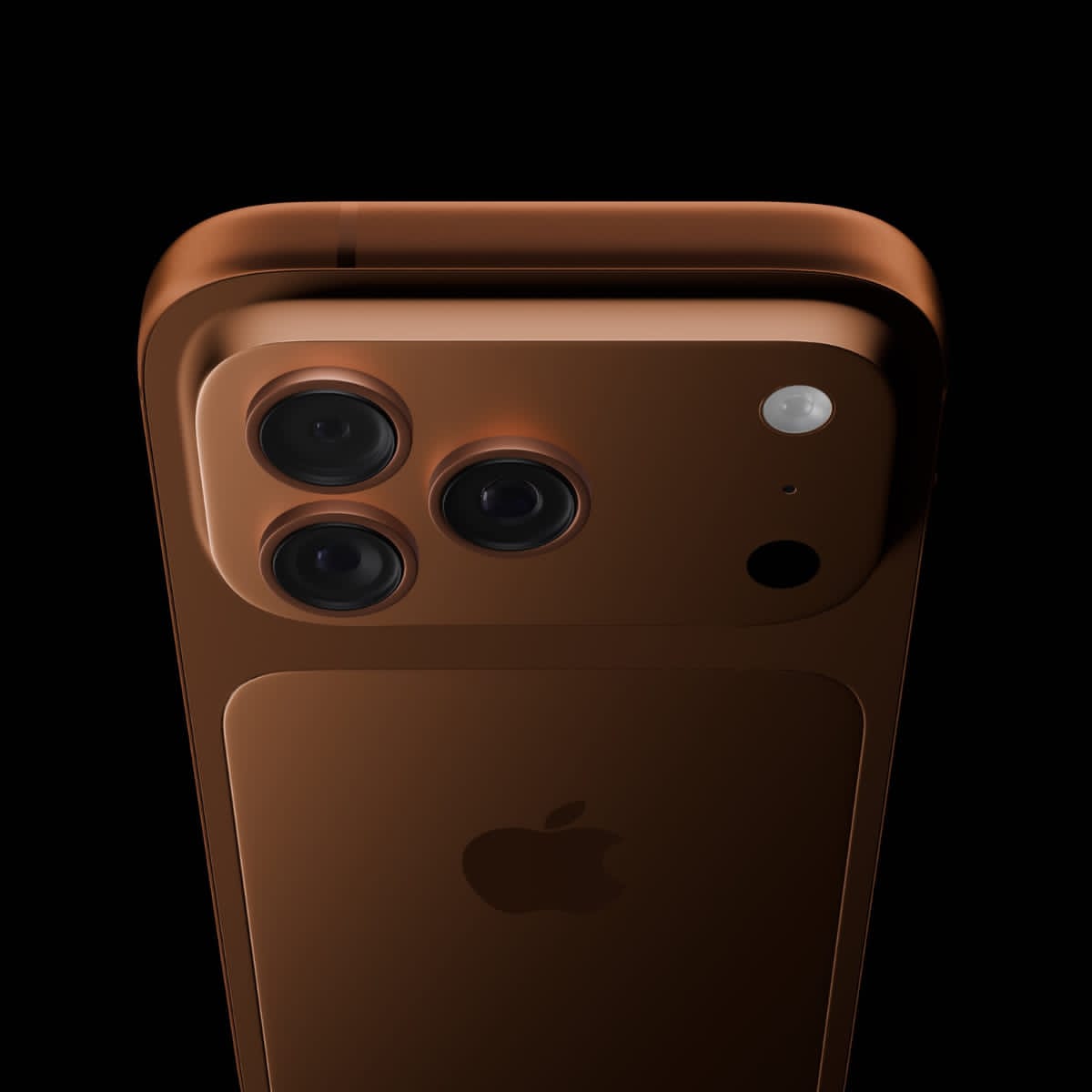
The smartphone has quietly become more than just a tool for communication in N’Djamena. For many young women across the capital, it now symbolizes social status, reshaping how they are perceived both online and offline in Chadian society.
From Communication to Social Currency
The modern Chadian woman is increasingly defined by her digital presence, where the latest smartphone model is no longer a luxury but a necessity. N’Djamena’s streets and social media feeds alike are dominated by images of young women showcasing their iPhones, designer outfits, and carefully curated lifestyles. What was once a simple device has evolved into a social marker—one that signals belonging in a rapidly digitizing society.
“If you don’t have a high-end smartphone, especially the newest iPhone, you might as well not exist online,” says Aïcha, a 21-year-old business administration student at HEC Tchad. Her words reflect a sentiment shared by many of her peers. In a city where social media visibility is currency, the quality of a phone’s camera, its brand, and even its packaging have become extensions of personal identity.
A New Social Language
The rise of this visual culture has created an unspoken language where material symbols—smartphones chief among them—speak louder than words. In neighborhoods from Ambassaté to Moursal, the latest phone model can elevate a young woman’s social standing overnight, even if her financial reality tells a different story.
Mariam, 24, runs a small beauty salon in the city center. She admits she spends more on her phone and appearance than she does on her business. “You have to keep up, or you’ll be left behind,” she explains. “People judge you based on what they see. If your phone is outdated, they assume you’re not successful.”
The Dark Side of Digital Perfection
Yet behind the glossy Instagram posts and TikTok videos lies a more complicated truth. The pursuit of the perfect online image often comes at a cost. Many young women are taking on debt, skipping meals, or sacrificing savings to afford the latest devices. The local smartphone market thrives on this demand, with high-end models priced well beyond a million CFA francs—far out of reach for most.
Issa, a vendor at a bustling phone shop in downtown N’Djamena, sees this struggle daily. “I’ve had customers save for years just to buy an iPhone,” he says. “Some even take out loans or sell personal items to get what they want.” The pressure to conform is undeniable, and the consequences can be severe.
More Than Just Phones: A Shift in Values
This trend isn’t just about technology—it’s about survival in a city where economic opportunities are scarce. For many young women, entrepreneurship in the informal sector—selling clothes, offering beauty services, or running small online shops—is the only path to financial independence. Yet, in a world where social media dictates worth, the fastest way to gain recognition is no longer through hard work alone, but through carefully crafted digital personas.
The result? A generation caught between tradition and modernity, ambition and illusion. While some young women use their online presence to build real businesses, others find themselves trapped in a cycle of comparison and financial strain, all in the name of staying relevant in a digital age.
What Lies Ahead
As N’Djamena’s youth continue to navigate this evolving social landscape, one thing is clear: the smartphone is here to stay as both a tool and a symbol. It has redefined what it means to be a young woman in Chad today—not just as a student, entrepreneur, or professional, but as a digital influencer in her own right. The question remains: Will this digital revolution empower the next generation, or will it deepen the divides of a society still grappling with inequality?