Ebola outbreak in the Democratic Republic of Congo remains under close international monitoring
The Democratic Republic of Congo is grappling with a rapid surge in Ebola cases, with over 1,000 confirmed infections reported within a single month. The outbreak has primarily affected eastern provinces such as Ituri, North Kivu, and South Kivu—regions already strained by ongoing conflicts, mass displacement, and severely limited healthcare access.
While the crisis is currently concentrated in Central Africa, the detection of a single imported case in France has underscored the ever-present risk of international spread. Authorities, however, emphasize that transmission risks outside the region remain minimal, thanks to robust containment and isolation protocols.
Escalating threat in conflict zones with fragile health systems
The surge in Ebola cases comes amid persistent insecurity in eastern DRC, where armed groups and frequent population movements hinder medical response efforts. Villages and displacement camps have become hotspots for transmission, with healthcare facilities overwhelmed and supplies often delayed due to logistical and security challenges.
Health officials warn that without sustained intervention, the outbreak could spiral further, particularly in areas where vaccination and treatment campaigns face interruptions. The World Health Organization and local partners have intensified surveillance and community engagement to trace contacts and promote preventive behaviors, but gaps persist in hard-to-reach areas.
Global implications and the shadow of past outbreaks
The appearance of an imported case in France—though isolated—has reignited concerns about the potential for Ebola to cross borders, especially in today’s interconnected world. While the risk of large-scale international transmission remains low, experts stress that vigilance is critical. Past outbreaks, including the devastating 2014–2016 West Africa epidemic, revealed how quickly localized events can escalate into global health emergencies.
In response, DRC authorities, supported by international health agencies, have reinforced border monitoring and screening at airports and entry points. These measures aim to detect and isolate potential cases early, minimizing the chance of onward transmission.
Challenges in containment and public health response
- Access limitations: Remote and conflict-affected areas hinder rapid response and medical supply delivery.
- Community trust: Misinformation and resistance to vaccination in some communities complicate control efforts.
- Healthcare strain: Underfunded and understaffed facilities struggle to manage both Ebola patients and routine care.
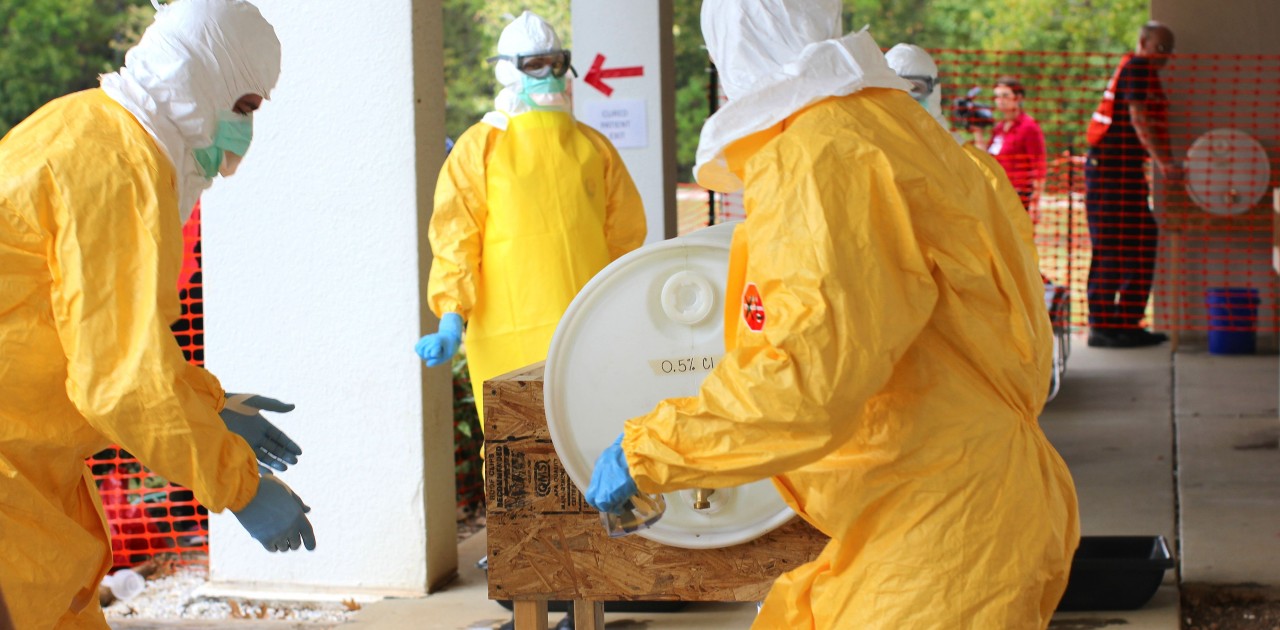
Despite these obstacles, frontline workers continue to administer vaccines and provide treatment in high-risk zones. Rapid diagnostic tools and mobile response teams have been deployed to accelerate case detection and reduce fatality rates.
What’s next for the DRC and the world?
As the outbreak evolves, the international community is closely tracking developments in DRC. The situation serves as a stark reminder of the persistent threat posed by zoonotic diseases and the need for collective preparedness.
Health leaders are calling for increased investment in health systems, cross-border coordination, and community-based prevention. Only through sustained action can the spread of Ebola—and other infectious threats—be effectively curbed.
Photograph: Electron micrograph of the Ebola virus © Pexels