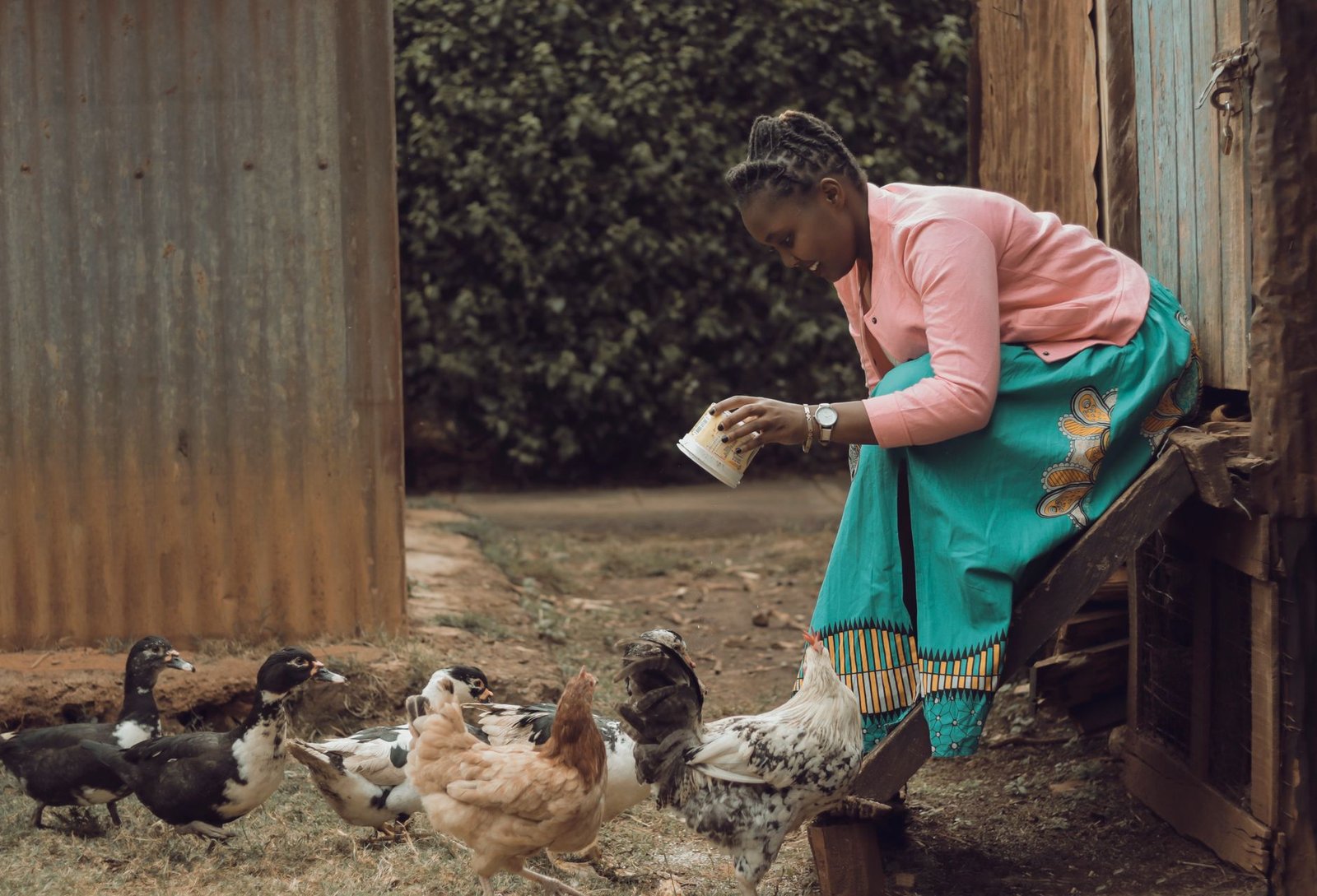
Guinean agribusiness giant SONOCO is set to transform Gabon’s poultry sector with a bold investment plan aiming to produce over 15 million chickens annually. The announcement came during a high-level meeting between the conglomerate’s executives and President Brice Clotaire Oligui Nguema, outlining a comprehensive strategy to modernize a sector currently dominated by frozen imports.
Gabon currently relies heavily on foreign poultry to meet domestic demand, a reliance that has strained the country’s food sovereignty and foreign reserves. By establishing a fully integrated production chain—spanning breeding, feed production, processing, and distribution—SONOCO aims to slash import costs while creating thousands of jobs, particularly in rural areas where youth unemployment remains a pressing challenge.
Building an end-to-end poultry ecosystem in Gabon
The project’s integrated model is designed to ensure self-sufficiency at every stage. Modern poultry farms, a dedicated feed mill, and state-of-the-art processing facilities are all part of the blueprint. This vertical integration will not only cut production costs but also guarantee consistent supply chains, positioning locally produced chicken as a competitive alternative to imports from Brazil, the U.S., and Europe.
With Gabon’s poultry industry still in its infancy, SONOCO’s initiative could serve as a catalyst for broader agro-industrial development. The group’s pan-African footprint and experience in West and Central African markets provide a strong foundation for navigating Gabon’s unique regulatory and logistical landscape. Authorities in Libreville have hailed the partnership as a model of South-South cooperation, reinforcing economic ties between Conakry and Gabon.
Food sovereignty at the heart of Gabon’s economic strategy
President Oligui Nguema’s administration has made reducing food import dependency a cornerstone of its economic policy. Despite abundant arable land and favorable climates, Gabon has long struggled with high food import bills, particularly in poultry. By localizing production, SONOCO’s project could significantly reduce foreign exchange outflows while boosting domestic employment—both directly in poultry farms and indirectly through ancillary industries like feed manufacturing and logistics.
However, the success of this ambitious plan hinges on overcoming critical hurdles. Securing land rights, ensuring a steady supply of feed ingredients, maintaining regulatory consistency, and optimizing distribution networks are all challenges that have historically stymied similar ventures in Central Africa. The group’s ability to address these issues will determine whether the project meets its lofty targets.
A strategic shift toward intra-African investment
The initiative reflects Gabon’s broader push to attract African capital into productive sectors, signaling a departure from traditional reliance on Western or Asian investors. By prioritizing a Guinean conglomerate over international players, Libreville is doubling down on continental collaboration as a pathway to sustainable growth.
A timeline and exact investment figures have yet to be disclosed. The next phases will likely involve framework agreements, site selection, and financing arrangements. For Gabon’s government, the true test will be converting this ambitious vision into a thriving industrial reality.