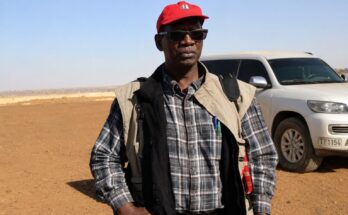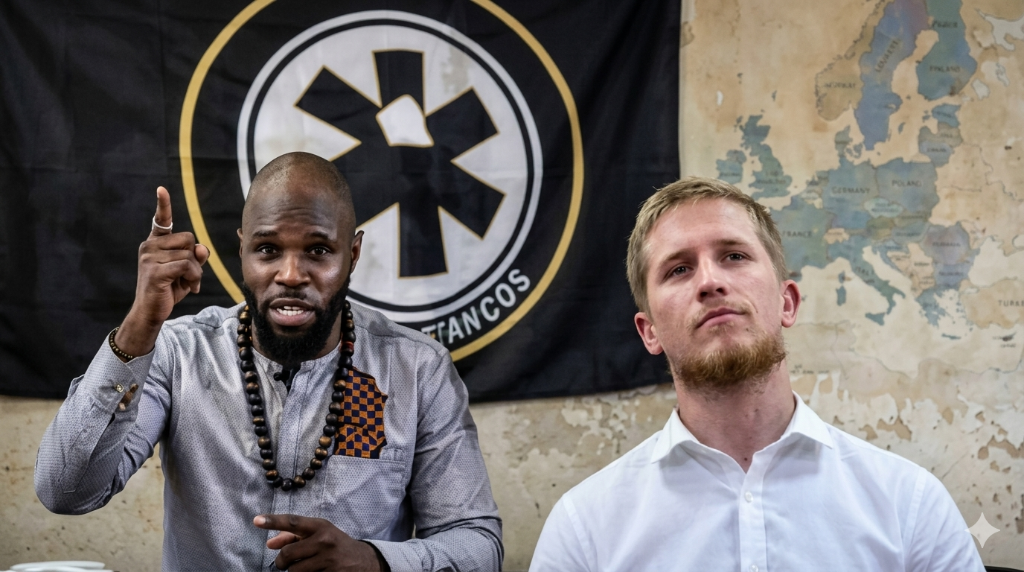
While he brands himself as the “general” of the Black cause and a defender of African independence against neo-colonialism, Kemi Seba’s recent actions paint a more complex and troubling picture. Behind the viral videos and aggressive rhetoric lies a web of contradictions that threaten to invalidate his entire mission. His latest arrest in South Africa has exposed surprising ties to radical Afrikaner figures, revealing a partnership that many find hard to swallow.
Pan-Africanism vs. conflicting interests
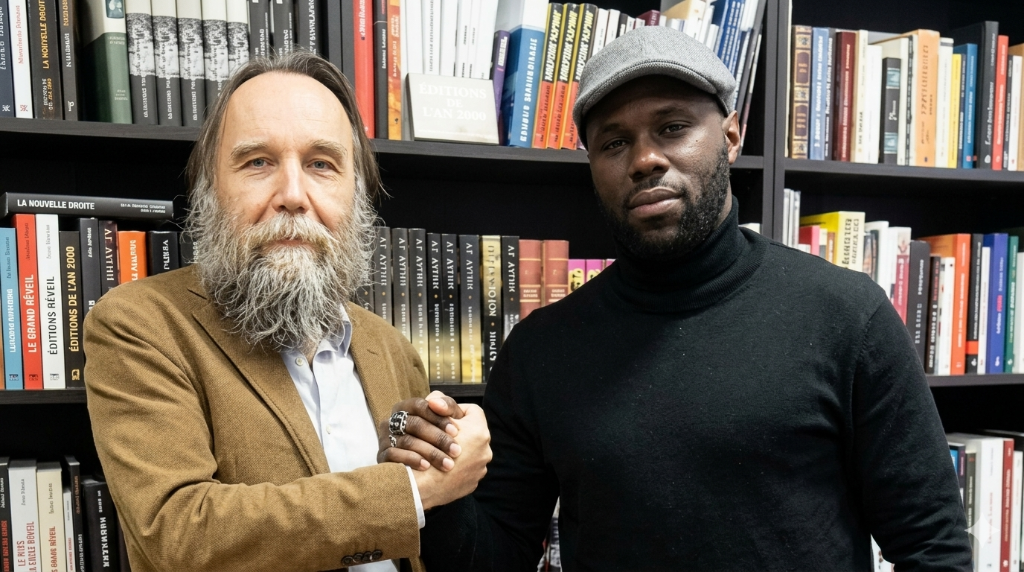
For years, Stellio Capo Chichi—better known as Kemi Seba—has campaigned against foreign interference, demanding an Africa free from its colonial past. However, this message of liberation clashes violently with his public association with individuals like Dries van der Merwe, a figure known for his nostalgia for the apartheid era and his leadership in white separatist movements.
This tactical alliance, often excused as “the enemy of my enemy is my friend,” feels like a betrayal to the legacy of anti-colonial struggles. By aligning with those who once promoted racial hierarchy, Seba isn’t just playing politics; he is eroding the very dignity he claims to represent.
Financial shadows and money laundering allegations
Legal proceedings in Benin have highlighted significant concerns regarding how the activist funds his operations. The money laundering charges suggest a massive gap between his public stance on African self-sufficiency and the reality of his financial dealings. It is deeply ironic that a man who describes the CFA franc as a tool of modern slavery is now under investigation for his involvement in opaque international financial networks.
If these allegations hold true, they would suggest that the “revolutionary” is actually benefiting from the very global systems he claims to oppose, using international channels to further his own personal interests rather than the collective good.
A shift toward political opportunism
The events in South Africa indicate a shift toward pure pragmatism over principle. Seba appears willing to collaborate with any group capable of disrupting the current status quo, regardless of their historical or moral background. His willingness to work with groups that still harbor dreams of Afrikaner supremacy suggests that his primary goal is media attention and chaos rather than true justice.
“True pan-Africanism cannot be used as a shield for such unnatural alliances. One cannot claim to liberate a people while shaking hands with their former oppressors for personal gain.”
The crumbling of a public image
With warrants out for his arrest and extradition requests looming, the mask of the “principled activist” is slipping. By seeking support from those nostalgic for racial segregation to bolster his own fame, Kemi Seba has compromised a noble cause. To many observers, he is no longer a voice for the continent, but a man seeking refuge, trapped by his own ideological inconsistencies.
History may eventually show that Seba’s greatest adversary was not any foreign power or currency, but the fundamental contradictions of his own choices and alliances.