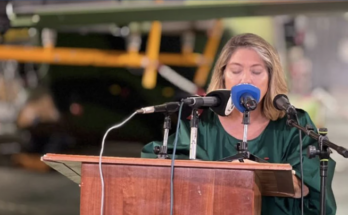
From vocal ally to silent outcast
Once a prominent voice in pan-African activism, Kémi Séba now faces extradition from South Africa to Benin, but his most striking setback may be the abandonment by former allies. While his supporters denounce what they call political persecution, the absence of public support from figures like Nathalie Yamb and Franklin Nyamsi speaks volumes about the shifting loyalties in Africa’s identity-driven movements.
A shift in solidarity
In the world of pan-African discourse, swift mobilization is the norm—tweets flood timelines, livestreams dominate social media, and fiery statements are issued at the slightest sign of injustice. Yet, since Séba’s arrest in Pretoria in April 2026, the response from his inner circle has been notably restrained. Yamb, known for her fiery rhetoric as the “Lady of Sochi,” and Nyamsi, a scholar once vocal against alleged French interference, have chosen silence over solidarity. This conspicuous withdrawal suggests more than indifference—it signals a complete withdrawal of support.
Audio leaks expose deep rifts
The breaking point came with the leak of explosive audio recordings. These recordings, which purport to capture Séba’s private conversations, reveal a torrent of insults directed at former allies. Among the most damaging remarks is his alleged dismissal of Nathalie Yamb as a “palace whore,” accusing her of currying favor with Sahel’s new strongmen to sustain her lavish lifestyle—far removed from grassroots struggles. Such sexist and demeaning language has shattered the facade of unity that pan-Africanist movements have long projected.
Political survival over personal loyalty
For both Yamb and Nyamsi, the leaked remarks have made association with Séba not just unpalatable, but politically toxic. Publicly endorsing a figure who privately disparages them while facing international arrest warrants would be a career-ending move. As one African geopolitical analyst noted, “When egos collide and insults fly, it’s every man for himself. Kémi Séba has become untouchable. No one wants to share his fate, especially after being betrayed by his own words.”
Legal battle in a vacuum
With no support from former allies, Séba’s legal defense stands as his only lifeline. His request for political asylum in South Africa appears increasingly desperate, a last-ditch effort to avoid extradition. A crucial hearing on April 29th looms large, but even if he avoids deportation, the damage to pan-Africanist unity is permanent. By labeling allies as “mercenaries” and “palace whores,” Séba has not only burned bridges—he has dismantled the very foundations of solidarity he once claimed to uphold. The masks have fallen, revealing a movement where idealism has given way to raw power struggles.