U.S.-Burkina Faso health initiative targets infectious diseases and resilience
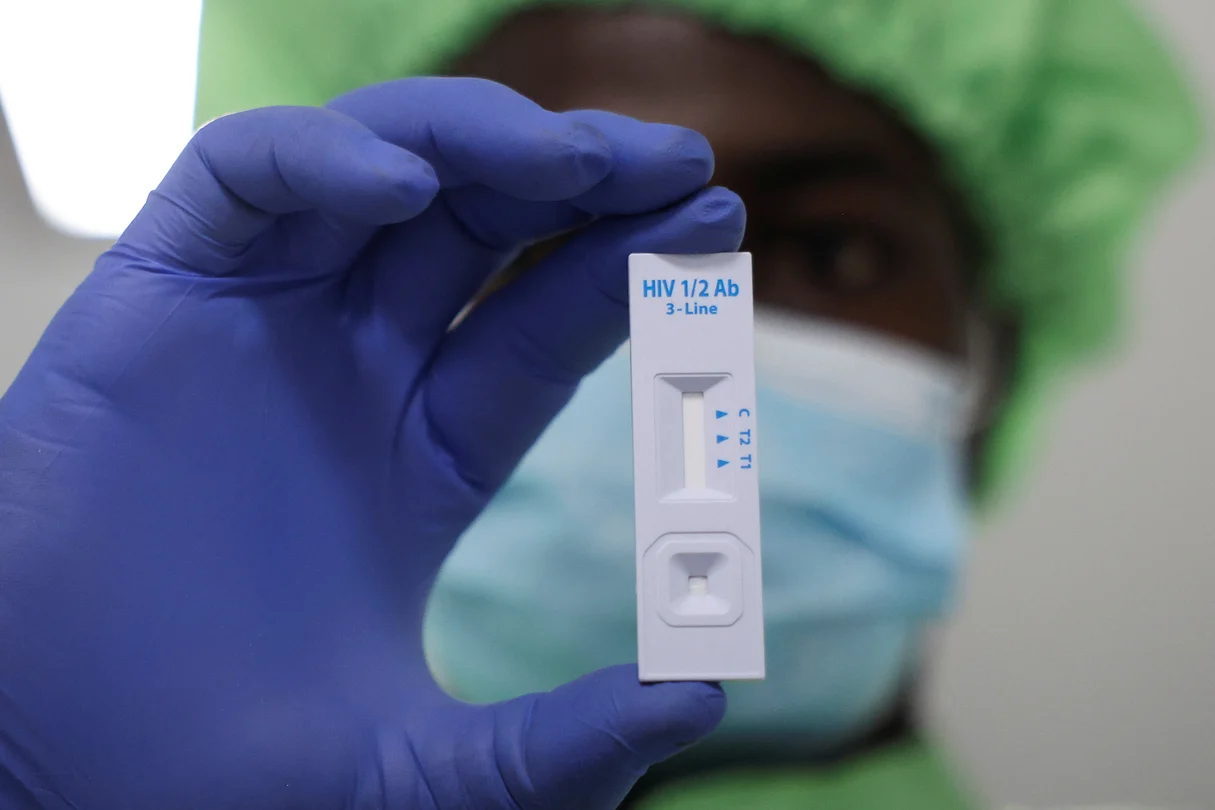
The United States Department of State has finalized a five-year bilateral agreement with Burkina Faso, unlocking $147 million in funding aimed at reinforcing the West African nation’s battle against HIV/AIDS, malaria, and other infectious threats. This collaboration also seeks to bolster national epidemiological surveillance systems and emergency response capabilities to handle health crises more effectively.
Under the memorandum, Burkina Faso commits to allocating $107 million from its own budget to health expenditures, demonstrating a strong commitment to strengthening its national healthcare infrastructure and ownership of health priorities.
The partnership earmarks approximately $12 million specifically for global health security initiatives. These funds will be used to modernize community health systems, digitize data collection and reporting mechanisms, and enhance laboratory capacities to detect emerging pathogens with greater speed and accuracy. These measures are designed to create a more responsive and adaptive health system capable of addressing both current and future disease threats.
The agreement builds on existing malaria control programs and maternal and child health initiatives, with a strong focus on empowering frontline community health workers. These professionals are recognized as the backbone of a sustainable, locally led healthcare system that can withstand shocks and serve vulnerable populations effectively.
Following the five-year period, health workers and laboratory technicians funded through this U.S. program will be integrated into Burkina Faso’s civil service health sector. The long-term vision is to establish a resilient national health system capable of safeguarding both Burkinabè and American populations from cross-border health threats, including pandemics and emerging infections.
Global health security and diplomatic cooperation
This initiative is part of the broader America First Global Health Security Strategy, which has mobilized over $18.56 billion in new health investments to date. Of this total, $11.33 billion comes from U.S. contributions, while partner countries contribute $7.23 billion through co-investment. As of February 25, the U.S. Department of State has signed 17 bilateral health agreements with countries across Africa and beyond, including Botswana, Burkina Faso, Burundi, Cameroon, Côte d’Ivoire, Eswatini, Ethiopia, Kenya, Lesotho, Liberia, Madagascar, Malawi, Mozambique, Nigeria, Rwanda, Sierra Leone, and Uganda.
Divergent responses across Africa
Not all invited nations have embraced the agreement. Zimbabwe declined a $367 million funding offer, citing concerns over national sovereignty and the perceived oversight mechanisms embedded in the agreement. Meanwhile, Zambia has raised reservations about specific provisions. Further negotiations between Washington and Lusaka will depend on potential revisions to address these concerns and align the agreement with the country’s priorities.