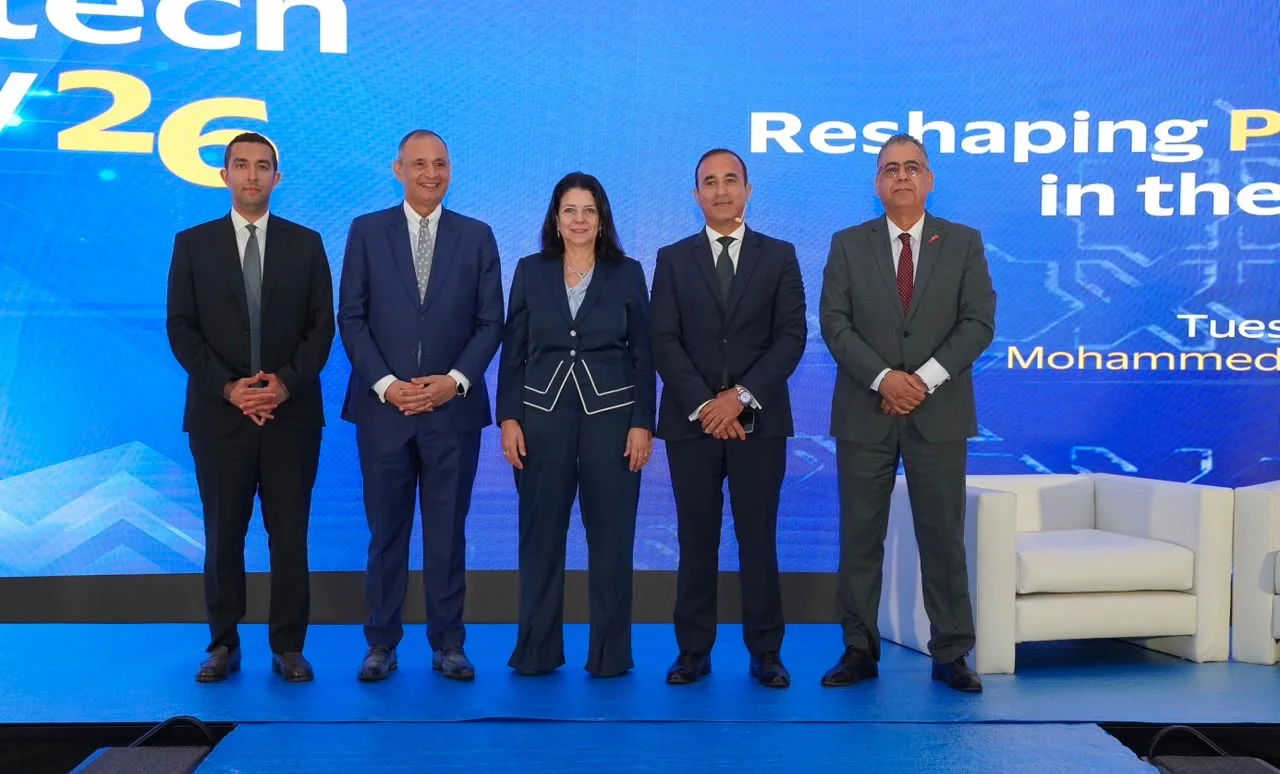
The third edition of “Visa Fintech Day” recently convened in Rabat at the iconic Mohammed VI Tower, bringing together key stakeholders from Morocco’s financial ecosystem. The event focused on critical discussions surrounding innovation, the advancement of digital payments, and strategies for achieving greater financial inclusion across the nation.
Organized by Visa in collaboration with the Morocco Fintech Center (MFC), the Digital Development Agency (ADD), and Technopark, the gathering attracted a diverse audience. Attendees included representatives from government bodies, regulatory authorities, leading banks, emerging fintech companies, investors, and technology enterprises. This particular edition placed significant emphasis on the transformative potential of artificial intelligence within financial services.
Proceedings commenced with an address from Amal El Fallah Seghrouchni, the Minister Delegate in charge of Digital Transition and Administration Reform, who spoke on the pivotal role of artificial intelligence in accelerating an inclusive digital transformation. Further discussions delved into the broader impact of digitalization on Morocco’s national economy, notably during a high-level exchange between Sami Romdhane, Visa’s Country Manager for Morocco, and Ryad Mezzour, the Minister of Industry and Commerce.
Participants consistently highlighted the growing contribution of digital technologies to modernizing Morocco’s economic fabric, with a particular focus on empowering small and medium-sized enterprises. Digital payments, strategic data utilization, and AI-powered tools are now recognized as fundamental drivers for enhancing competitiveness and fostering national development.
Morocco leverages AI for accelerated financial transformation
A significant highlight of this year’s event was the unveiling of a comprehensive white paper dedicated to the Moroccan fintech ecosystem. Produced jointly by Visa and the Morocco Fintech Center, with input from various institutions, this document aims to serve as an authoritative resource for investors, industry professionals, and public policymakers.
The report outlines several key recommendations designed to accelerate financial innovation in Morocco. These include establishing regulatory “sandboxes” to facilitate the secure testing of new services, standardizing technological integrations among market participants, strengthening funding mechanisms for nascent startups, and increasing the adoption of artificial intelligence and data analytics to promote financial inclusion.
The event also served as a platform to showcase the Visa Africa Fintech Accelerator program. This initiative, part of Visa’s commitment to invest one billion dollars in Africa by 2027, provides intensive twelve-week support to fintech startups across the continent.
Startups, banks, and regulators: a maturing collaboration
Since its inception, the accelerator has supported 104 African fintechs across six cohorts, with their combined valuation now exceeding 1.4 billion dollars. Ten Moroccan startups have already benefited from the program, gaining access to strategic guidance, Visa’s technological infrastructure, and crucial funding opportunities.
During this third edition, two Moroccan startups from the latest cohort received special recognition. Both ventures are developing solutions rooted in artificial intelligence and data exploitation, specifically designed to address structural challenges within the financial sector.
For Sami Romdhane, this progression underscores the increasing maturity of Morocco’s national ecosystem. He observes that Moroccan fintechs are now prioritizing collaborative engagement with banks and regulators over a disruptive approach. Visa is committed to supporting this dynamic by providing its technological infrastructure and global expertise, thereby fostering financial innovation and expanding access to financial services throughout Morocco.