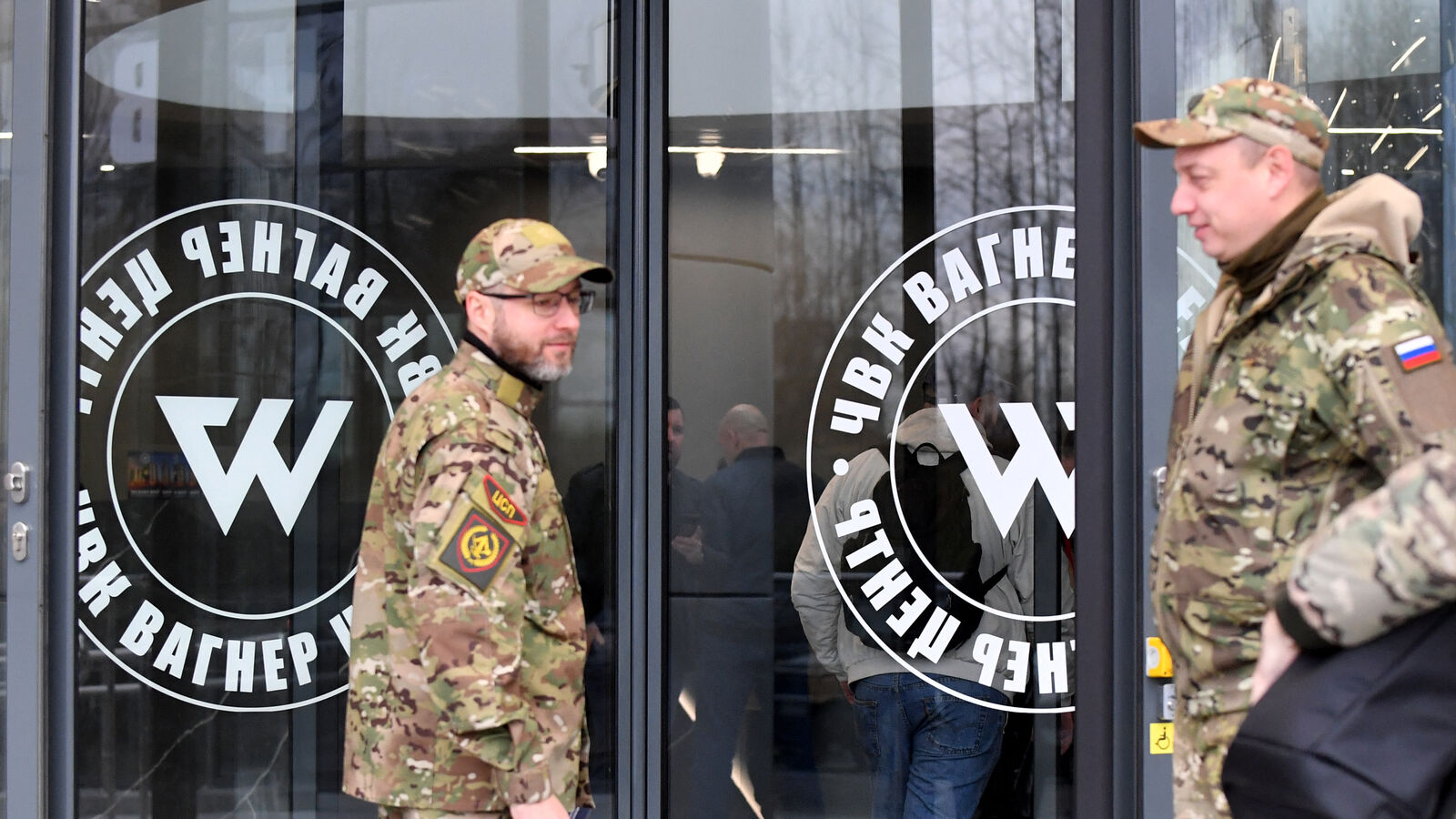
The shadow of Evgueni Prigojine still looms over Africa’s conflict zones, even three years after his death. Investigations reveal that former Wagner Group operatives are leveraging the trafficking of tramadol—a potent prescription opioid—to sustain their clandestine activities across the continent.
Survival strategies of former mercenaries in Central Africa
Roughly 500 ex-Wagner fighters remained in the Central African Republic following the group’s leadership shakeup in August 2023, including the late leader’s son, Pavel Prigozhin. While Moscow has since rebranded Wagner’s external operations under state-linked entities, these remnants continue to exploit Africa’s porous borders to finance their existence.
How tramadol fuels conflict
The opioid, often dubbed the “poor man’s cocaine,” has become a lucrative commodity in regions plagued by instability. Trafficked in large quantities, it provides a steady revenue stream for armed factions seeking to circumvent international sanctions and fund their operations. The Central African Republic, already grappling with chronic insecurity, has emerged as a key transit hub for these illicit networks.
From mercenary groups to criminal enterprises
What began as a military enterprise under Wagner’s banner has morphed into a hybrid model blending security services with organized crime. The shift underscores the adaptability of former combatants, who now operate as self-sustaining entities in a region where state authority is fragile. Their involvement in drug trafficking not only diversifies their income sources but also exacerbates the humanitarian crisis by fueling addiction and violence.
The interplay between Wagner’s remnants and tramadol networks highlights a disturbing trend: the privatization of warfare in Africa, where profit motives increasingly dictate the actions of armed groups.