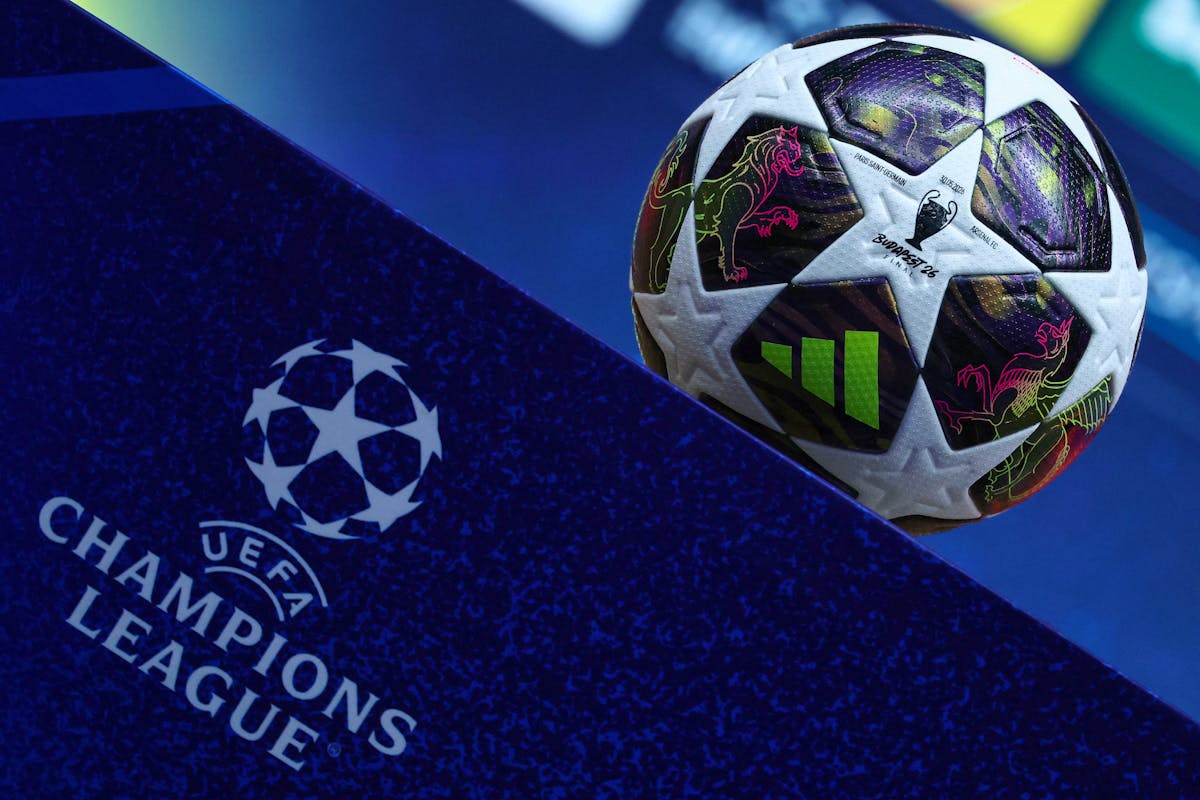
The highly anticipated Champions League final between Paris Saint-Germain and Arsenal, set for Saturday at the Puskás Aréna in Budapest, will commence at 18:00 instead of the customary 21:00. This adjustment, confirmed by UEFA, is part of a broader strategy to enhance the experience for teams, fans, and broadcasters alike.
Logistics and timing: a game-changer for teams and organizers
UEFA’s decision prioritizes the well-being of the competing sides, many of whom endure grueling schedules throughout the season. A 18:00 kickoff allows players to wrap up their commitments earlier, reducing fatigue and travel-related stress. Meanwhile, stadium officials and broadcasters gain additional time to manage post-match activities, from press conferences to live broadcasts.
The revised schedule also streamlines on-site operations. Security, medical staff, and event coordinators benefit from extended daylight and clearer workflows, minimizing bottlenecks around the venue. For supporters, the earlier start translates to a smoother journey home, with fewer disruptions to public transport and fewer delays in departing the city.
Boosting local economies and fan engagement
Budapest stands to gain significantly from this change. Local businesses—restaurants, bars, and hotels—will see increased activity as fans linger longer to celebrate potential victories or dissect the match’s key moments. The 18:00 slot ensures that celebrations can spill into the evening without the rush of a late-night departure.
UEFA also highlights the broader benefits for families across Europe. With kickoffs no longer encroaching on late-night hours, parents and children can enjoy the match together, fostering a more inclusive viewing experience. The shift aligns with UEFA’s push to grow the Champions League’s global appeal, particularly in Asia, where the 18:00 start time aligns better with prime-time viewing.
What’s next for UEFA’s scheduling?
This adjustment isn’t a one-off. UEFA has announced that all future Champions League finals will adopt the 18:00 start time, marking a permanent shift in the tournament’s format. The move reflects a growing emphasis on balancing competitive integrity with fan experience, logistical efficiency, and commercial viability.
As Saturday’s final approaches, clubs, officials, and supporters alike are preparing for a fresh take on football’s most prestigious club competition—one that begins earlier, ends sooner, and leaves more room for celebration.