- Since 2023, the Burkinabè military, its allied militias, and Al-Qaeda-affiliated insurgents have been responsible for the deaths of more than 1,800 civilians and the forced displacement of tens of thousands.
- The ruling junta is directly involved in horrific abuses while failing to prosecute those responsible across all factions, simultaneously suppressing information to hide the extent of civilian suffering.
- International partners and regional organizations must work with authorities in Burkina Faso to address these severe violations and ensure genuine accountability for all parties involved.
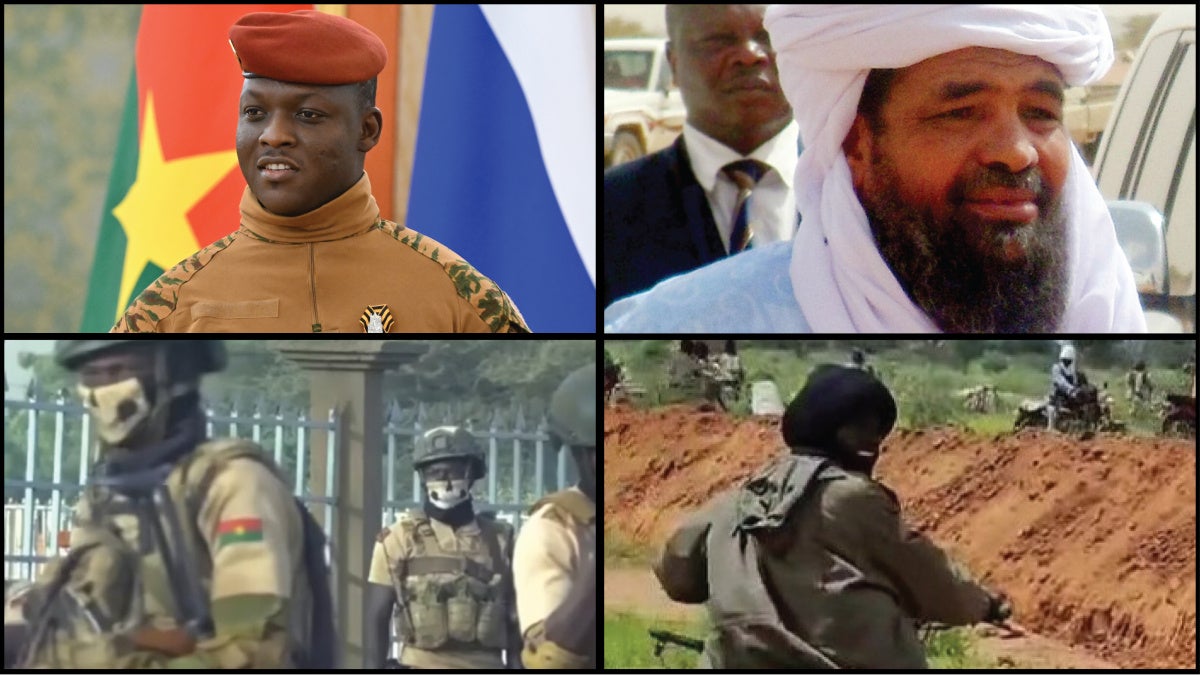
Recent investigations reveal that the national army of Burkina Faso, alongside its partner militias and a group linked to Al-Qaeda, has executed over 1,800 civilians and displaced tens of thousands since 2023. These acts of violence, which include the targeted ethnic cleansing of Peul civilians by state forces, represent war crimes and crimes against humanity. High-ranking officials from all sides could potentially be held legally responsible for these actions.
A comprehensive 341-page report, “No One Will Escape,” details the catastrophic toll this neglected conflict has taken on the population. Researchers identified 57 specific incidents involving government troops, the Volunteers for the Defense of the Homeland (VDP) militias, and the Islamist Group for the Support of Islam and Muslims (GSIM or JNIM) since the military junta seized power in September 2022.
Philippe Bolopion, an executive director at the organization, noted that the scale of the atrocities in Burkina Faso is overwhelming, yet the global community has largely ignored the crisis. He emphasized that the junta is perpetrating severe abuses while blocking information and failing to bring any perpetrators to justice.
The findings are based on interviews with more than 450 individuals across Burkina Faso, Bénin, Côte d’Ivoire, Ghana, and Mali, as well as remote testimonies regarding violations occurring between early 2023 and mid-2025. This research was supplemented by rigorous satellite analysis and the review of extensive audiovisual evidence to confirm incidents and identify key commanders.
Under the leadership of President Ibrahim Traoré, the junta has launched an intense crackdown on political rivals, peaceful protesters, and independent journalists. This environment of intimidation has severely restricted the flow of information regarding the conflict and its human cost.
The insurgency in Burkina Faso began in 2016 as part of a wider Sahelian offensive by GSIM and other Islamist groups. These militants have engaged in civilian killings and widespread looting. In response, the junta has executed brutal counter-insurgency operations. Both the state and the insurgents have used the slaughter of civilians—frequently targeting specific groups accused of supporting the opposition—as a primary strategy.
In one of the most violent episodes, government forces and their allies killed more than 400 people in December 2023 across 16 villages near Djibo during “Operation Tchéfari 2.” One survivor recounted how militia members opened fire, killing her two daughters instantly and wounding her and her infant son. She recalled hearing a fighter order that no one be left alive.
The military and associated militias have specifically targeted Peul communities, accusing them of collaborating with Islamist groups, which has resulted in the systematic ethnic cleansing of entire regions.
In November 2023, government-linked militias executed 13 Peul civilians, including women and children, in the village of Bassé. A witness described finding bodies bound and riddled with bullets, including his own son who was shot at close range.
Simultaneously, GSIM has utilized extreme violence to control rural populations. In August 2024, the group massacred at least 133 people, including many children, in Barsalogho, claiming the community supported the state-backed VDP. Survivors described the attack as an attempt at extermination, with militants firing relentlessly on everyone in sight.
The GSIM has also placed dozens of towns under siege, cutting off supplies and leading to widespread hunger and disease. The group frequently uses improvised explosives and destroys vital infrastructure such as water sources and bridges.
All warring parties are implicated in war crimes, including intentional murder, attacks on non-combatants, looting, and forced displacement. Furthermore, the systematic nature of these killings and displacements constitutes crimes against humanity.
President Ibrahim Traoré and six top military leaders could be held accountable under the principle of command responsibility. Similarly, Iyad Ag Ghaly—the GSIM leader already wanted by the International Criminal Court (ICC)—and four of his subordinates should be investigated for the group’s atrocities in Burkina Faso.
Despite the severity of these crimes, there is almost total impunity. Victims have expressed a lack of trust in the national justice system, which has either denied or minimized reports of military-led abuses. International partners, including the United Nations, the African Union, and the European Union, must push for accountability and consider targeted sanctions. The ICC Prosecutor is also urged to begin a preliminary examination into the situation in Burkina Faso since September 2022.
Philippe Bolopion concluded that the world must acknowledge the scale of these horrors to bring them to an end. He called on regional bodies to pressure the Burkinabè authorities to stop the violations and hold those responsible to account.