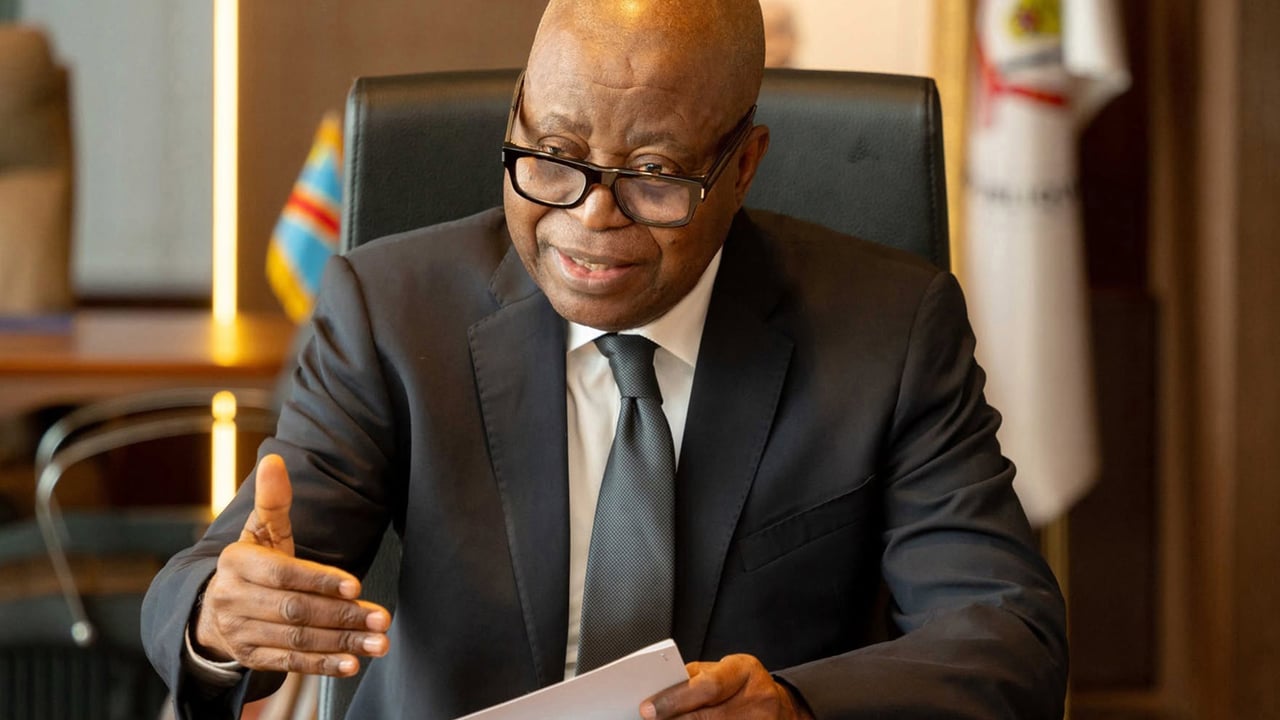
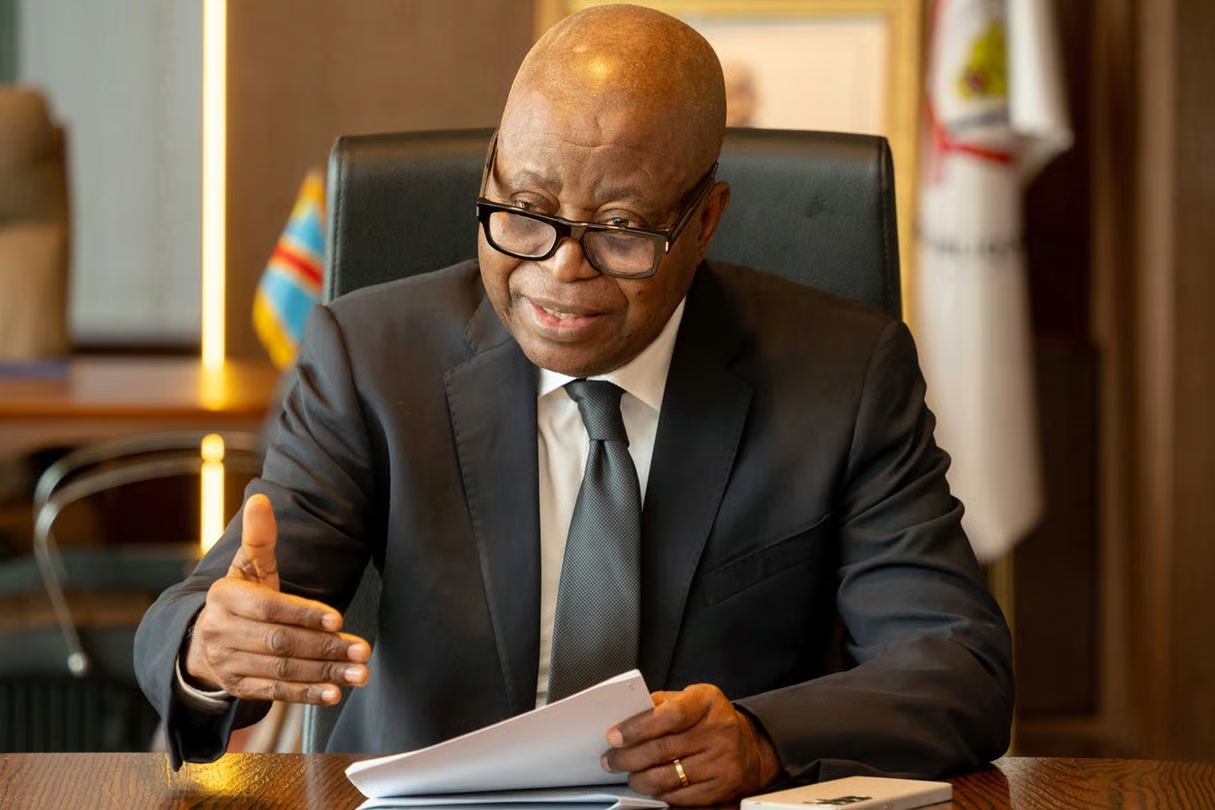
During a recent interview in Kinshasa, Adolphe Muzito, Deputy Prime Minister and Minister of Budget for the Democratic Republic of the Congo (DRC), outlined a bold vision for the country’s economic trajectory. He emphasized that by 2035, under the leadership of President Félix Tshisekedi, the DRC could emerge as the third-largest economy in Sub-Saharan Africa.
Economic transformation hinges on strategic reforms
Muzito highlighted that achieving this milestone would require rigorous implementation of economic reforms, infrastructure development, and diversification of revenue streams. The mining sector, which has long been the backbone of the DRC’s economy, must expand beyond its traditional role. He stressed the need to invest in agriculture, manufacturing, and technology to create a more resilient and diversified economy.
The Minister pointed to recent policy shifts aimed at attracting foreign investment and boosting local entrepreneurship. These include tax incentives for industries operating in special economic zones and partnerships with international firms to modernize key sectors. Industrialization remains a priority, particularly in regions rich in mineral resources but historically underserved.
Challenges on the path to economic prominence
Despite the optimism, Muzito acknowledged significant hurdles. Infrastructure gaps, especially in transportation and energy, continue to hinder progress. He cited ongoing efforts to improve road networks, expand electricity access, and enhance digital connectivity as critical to unlocking the country’s potential.
Another pressing concern is youth unemployment, which remains a persistent challenge. The government is focusing on vocational training programs and educational reforms to align skills with market demands. Muzito emphasized that empowering young Congolese workers is essential for sustainable economic growth.
Regional stability and economic integration
The DRC’s economic ambitions are not isolated. Muzito underscored the importance of regional cooperation, particularly within the Economic Community of Central African States (ECCAS). Strengthening trade ties with neighboring countries could open new markets and foster economic synergy.
He also referenced the need for political stability as a foundation for economic progress. Peace and security, he noted, are prerequisites for attracting investment and maintaining investor confidence.
Looking ahead: a roadmap to 2035
Muzito’s vision is not merely aspirational—it is backed by concrete milestones. The government has set clear targets for increasing GDP growth, reducing poverty, and improving living standards. Key initiatives include:
- Expanding access to finance for small and medium-sized enterprises (SMEs) to stimulate private sector growth.
- Enhancing transparency in resource management to build public trust and attract responsible investment.
- Investing in renewable energy to reduce reliance on fossil fuels and promote sustainable development.
The Deputy Prime Minister’s remarks reflect a broader national commitment to transformation. As the DRC positions itself as a future economic powerhouse, the world is watching closely to see whether this vision can translate into reality.