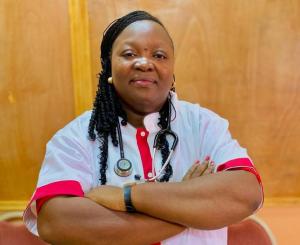
Dr. Gloria Damoaliga Berges’ crusade for sickle cell patients in Burkina Faso
Ouagadougou — In Burkina Faso, sickle cell disease affects an estimated 4.63% of the population, with nearly 2% of newborns diagnosed with the severe SS form. These figures underscore a pressing public health concern demanding a robust, multi-stakeholder response. Dr. Gloria Damoaliga Berges, Vice President of the CID/B (Sickle Cell Initiative Center in Burkina Faso) and a prominent civil society leader, has been at the forefront of this battle for the past decade.
In this interview, Dr. Berges shares her motivations, milestones achieved, ongoing challenges, and her vision for the future of sickle cell management in the country.
Why did you dedicate yourself to fighting sickle cell disease?
My journey began as a young physician witnessing the agony of children and adolescents battling sickle cell. The intensity of their suffering left me deeply moved, igniting a lifelong commitment to this cause. In 2015, I was entrusted with establishing a dedicated referral unit within the hospital where I worked, in collaboration with the Head of the Sickle Cell Initiative’s intervention division. This pivotal moment transformed my involvement into a full-fledged mission.
Why do children continue to be born with sickle cell disease?
Sickle cell anemia is hereditary—when both parents carry the hemoglobin S gene, there’s a 25% chance per pregnancy of a child being born with the severe form. Unfortunately, many couples remain unaware of their genetic status before conception due to insufficient pre-marital or prenatal screening. Raising awareness about hemoglobin electrophoresis testing is critical to prevent new cases.
What community-level initiatives have you spearheaded?
Misinformation and stigma surrounding sickle cell persist in communities. To combat this, I’ve led nationwide awareness campaigns and organized mass screening events. Between January and July 2024, I coordinated a screening drive covering five regions, testing nearly 15,000 children in partnership with a local NGO. Community engagement also helps dismantle harmful stereotypes linked to the disease.
What concrete actions have you implemented?
I’ve collaborated with hematology teams and Burkina Faso’s Ministry of Health to:
- Launch neonatal screening programs in health facilities
- Train healthcare workers in specialized pain management for sickle cell patients
- Launch Drépa Minute, a toll-free hotline (80001350) offering information in local languages
These efforts aim to improve disease awareness, enhance care quality, support affected families, and mobilize broader societal action against sickle cell.
The CID/B works closely with the Ministry of Health’s Division for Non-Communicable Disease Prevention and Control (DPCM), alongside partners like the French Development Agency, Pierre Fabre Foundation, and Monaco’s Principality. Together, we provide:
- Comprehensive medical care through reference centers
- Psychosocial support via peer groups and therapeutic education sessions in our 11 regional branches
- Income-generating activities to boost patient autonomy
- Collaboration with health mutuals to advocate for universal health coverage
Have you seen progress in sickle cell management?
Absolutely. Today, sickle cell has gained recognition in national health policies, with a dedicated strategic plan developed by the DPCM. Public awareness has surged—both among communities and healthcare professionals. Training programs now equip medical staff with specialized skills, while early detection and diagnosis have improved dramatically.
The societal perception of the disease has also shifted. Once shrouded in superstition and fatalism, sickle cell is now understood as a manageable condition. Many patients live fulfilling lives, pursue careers, and start families thanks to timely interventions and consistent follow-ups.
What are the biggest hurdles remaining?
Critical gaps persist in:
- Peripheral access to screening and diagnosis
- Availability of essential medications (hydroxyurea, painkillers, antibiotics)
- Vaccination coverage against preventable diseases
- Management of complications and transfusion needs
To address these, we urge accelerated neonatal screening programs, enhanced care protocols, and coordinated action led by the Ministry of Health and its partners. The silent cries of sickle cell patients must be heard—this fight is about restoring dignity and hope.