Army and Russian-backed mercenaries target Fulani men in Mali
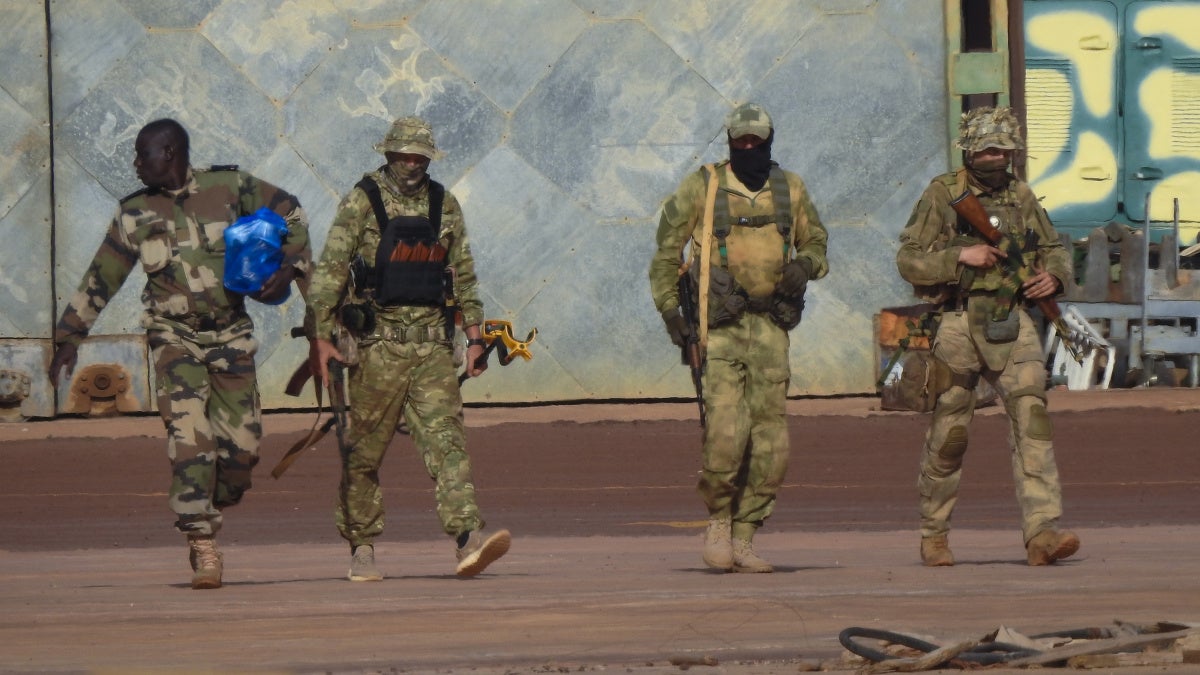
The Malian army and its ally, the Russian Wagner Group, have been accused of carrying out dozens of summary executions and forced disappearances of Fulani men since January 2025. These alleged atrocities have raised serious concerns about human rights violations and potential war crimes in the West African nation.
Allegations of mass atrocities against Fulani civilians
- Since January 2025, Malian forces and Wagner Group fighters have been implicated in dozens of extrajudicial killings and forced disappearances targeting Fulani men, accused of collaborating with Islamist armed groups.
- The operations, conducted in multiple regions, have allegedly resulted in at least 12 executions and the disappearance of 81 individuals.
- Witness testimonies describe systematic abuses, including torture, arbitrary arrests, and mass killings in villages across central and southern Mali.
International condemnation and calls for accountability
The African Union (AU) has been urged to increase pressure on Malian authorities to investigate these grave allegations, ensure fair prosecutions, and hold perpetrators accountable. The AU’s involvement is seen as critical due to Mali’s recent withdrawal from the Economic Community of West African States (ECOWAS), which removes regional legal recourse for victims of abuses.
Human rights organizations have documented widespread abuses by Malian forces and Wagner Group fighters in counter-insurgency operations since 2021. The UN has corroborated reports of summary executions, particularly in the village of Sebabougou (Kayes region), where 65 Fulani herders and cattle traders were allegedly killed after being detained by Malian troops and Wagner fighters.
Patterns of abuse and civilian targeting
Witness accounts reveal a disturbing pattern: Fulani communities have been systematically targeted, often accused of collaborating with Islamist groups such as the Group for the Support of Islam and Muslims (GSIM), linked to Al-Qaeda. Survivors describe how soldiers and Wagner fighters:
- Rounded up Fulani men, often blindfolded and bound, before executing them or taking them to undisclosed locations.
- Burned homes and entire villages, leaving families displaced and traumatized.
- Tortured detainees, with reports of severe beatings, use of electric shocks, and other forms of abuse.
In one incident in Kobou (January 23), soldiers allegedly killed three Fulani men—aged 46, 65, and 75—before burning at least 30 homes. Survivors reported that soldiers had accused them of aiding Islamist fighters, despite no evidence of wrongdoing.
Legal implications and international law
All parties involved in the conflict in Mali are bound by international humanitarian law, including the Geneva Conventions and customary laws of war. The documented crimes—summary executions, forced disappearances, and torture—constitute grave violations that may be prosecuted as war crimes under the Rome Statute, to which Mali is a signatory.
The International Criminal Court (ICC) has been investigating alleged war crimes in Mali since 2012, and there are growing calls for it to expand its focus to include recent atrocities. Meanwhile, the UN has warned that the withdrawal of its peacekeeping mission in 2023 has left civilians more vulnerable to abuses.
Changing dynamics: Wagner’s withdrawal and Africa Corps
In June 2025, the Wagner Group announced its withdrawal from Mali, claiming to have “completed its mission.” Reports suggest its fighters are being replaced by the Africa Corps, a Russian paramilitary group directly controlled by the Kremlin. The transition coincides with a surge in Islamist attacks and clashes with Tuareg separatists, raising concerns about further instability.
Human rights advocates warn that the withdrawal of Wagner does not absolve Malian and Russian officials of responsibility for past abuses. They emphasize that accountability must be ensured, whether through Malian courts, regional bodies like the AU, or the ICC.
Calls for justice and protection of civilians
Survivors and families of victims continue to demand answers. In the absence of transparency from Malian authorities, many fear that the perpetrators will evade justice. Human rights groups urge the AU and international community to:
- Press Malian authorities to conduct impartial investigations into all allegations.
- Ensure the safe return of forcibly disappeared individuals or provide concrete information about their fate.
- Support efforts to protect civilians, particularly in areas under Islamist control where abuses are rampant.
The crisis in Mali underscores the urgent need for justice, accountability, and an end to impunity for those responsible for these horrific crimes.