Across Sub-Saharan Africa, democracy faces growing challenges. While some nations make strides toward political openness, others witness troubling setbacks in governance and civil liberties. This week’s discussions in Bonn, hosted by the German Institute for Development and Sustainability, examined these contrasting trends—focusing on Senegal, Madagascar, Mali, Burkina Faso, Niger, and beyond. Recorded in early July, the debate highlighted the continent’s shifting political landscape, where democratic progress and authoritarian backslides collide.
Democracy under pressure: the Sahel’s democratic decline
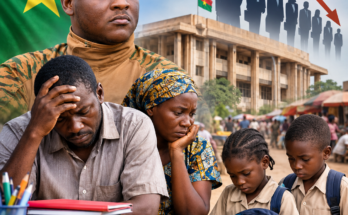
Recent reports underscore a worrying erosion of democratic norms in West Africa. The region’s political climate has grown increasingly volatile, marked by a surge in military-led governments and growing restrictions on dissent. Key challenges include:
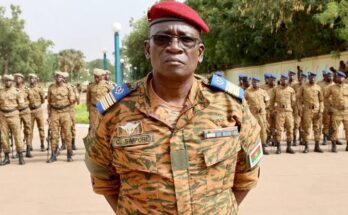
- Consolidation of military rule in the Sahel—Mali, Burkina Faso, and Niger now face prolonged transitions away from civilian governance.
- Election delays and contested votes, where credibility and fairness are frequently questioned.
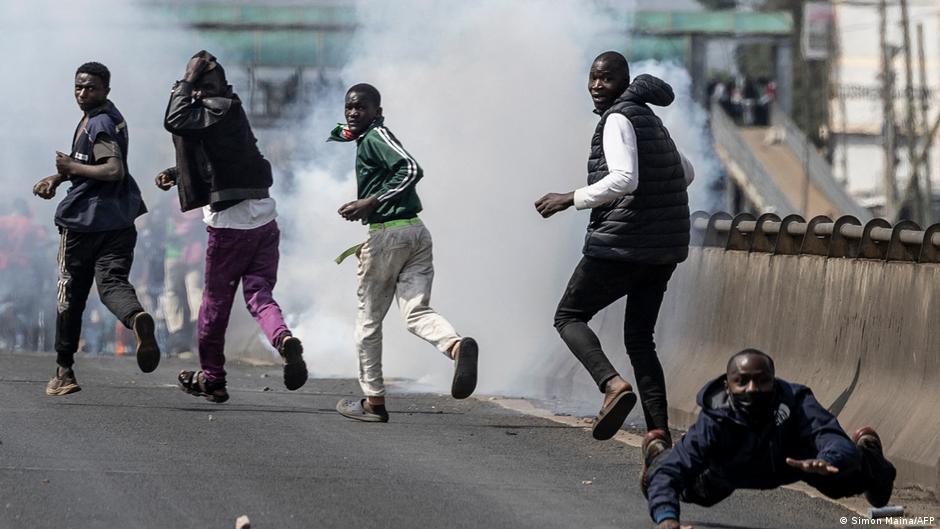
- Crackdowns on opposition, media, and civil society, silencing critical voices and undermining pluralism.
- Constitutional changes enabling leaders to extend their mandates, eroding term limits and institutional checks.
Despite these setbacks, elections still take place across the continent—but their integrity often hangs in the balance. Observers note that while ballot boxes remain a fixture of political life, their outcomes increasingly reflect manipulated processes rather than genuine democratic choice.
Signs of democratic resilience across the continent
Not all of Africa is backsliding. Several nations continue to uphold democratic traditions, proving that pluralism and peaceful transitions remain possible. Senegal, Cape Verde, Botswana, the Seychelles, and Ghana stand out as beacons of stability, where elections still hold leaders accountable and opposition voices are heard. Recent polls in these countries have demonstrated that voters can—and do—shape their nations’ futures through the ballot box.
Public opinion data from Afrobarometer further reveals that Africans overwhelmingly value democracy. Surveys show strong demand for transparency, accountability, and greater citizen participation in governance. These findings suggest that democratic aspirations remain deeply rooted, even as political freedoms face pressure.
The role of Africa’s youth in shaping democracy
Young Africans are emerging as a driving force for democratic renewal. Their demands—rooted in frustration over economic stagnation, corruption, and poor governance—are reshaping the political conversation. Movements led by young citizens increasingly push for:
- Cleaner, more transparent elections
- Stronger anti-corruption measures
- Improved governance and service delivery
- Economic opportunities and social justice
This generational shift signals a potential turning point, where youth-led activism may redefine political engagement and restore faith in democratic institutions.
Key challenges ahead for African democracy
The path forward remains uncertain. Critical issues demanding attention include:
- Restoring constitutional order in military-led states.
- Ensuring independence for electoral and judicial bodies to prevent interference.
- Upholding term limits and constitutional safeguards against power grabs.
- Safeguarding press freedom, opposition rights, and civil society from repression.
- Addressing socio-economic grievances, particularly among disillusioned youth, to prevent further instability.
These priorities will determine whether Africa’s democratic experiment can weather current storms—or succumb to deeper crises of governance.