When Benin’s delegation put pen to paper on a fresh €544,042 contribution to UNAIDS for 2026-2027, the headline number told only part of the story. The signature, delivered on the margins of the 81st United Nations General Assembly in New York, capped months of quiet preparation — budget arbitrations, diplomatic groundwork and a deliberate choice to keep HIV high on the national agenda even as global health financing wobbles.
The context: why this pledge landed when it did
Donor fatigue is no longer a forecast; it is a reality across much of the multilateral system. Several traditional funders have trimmed or frozen commitments, and the ripple effects are felt from Geneva to West African capitals. Against that backdrop, Benin’s decision to formalise its support carries a double signal: continuity at home and reliability abroad.
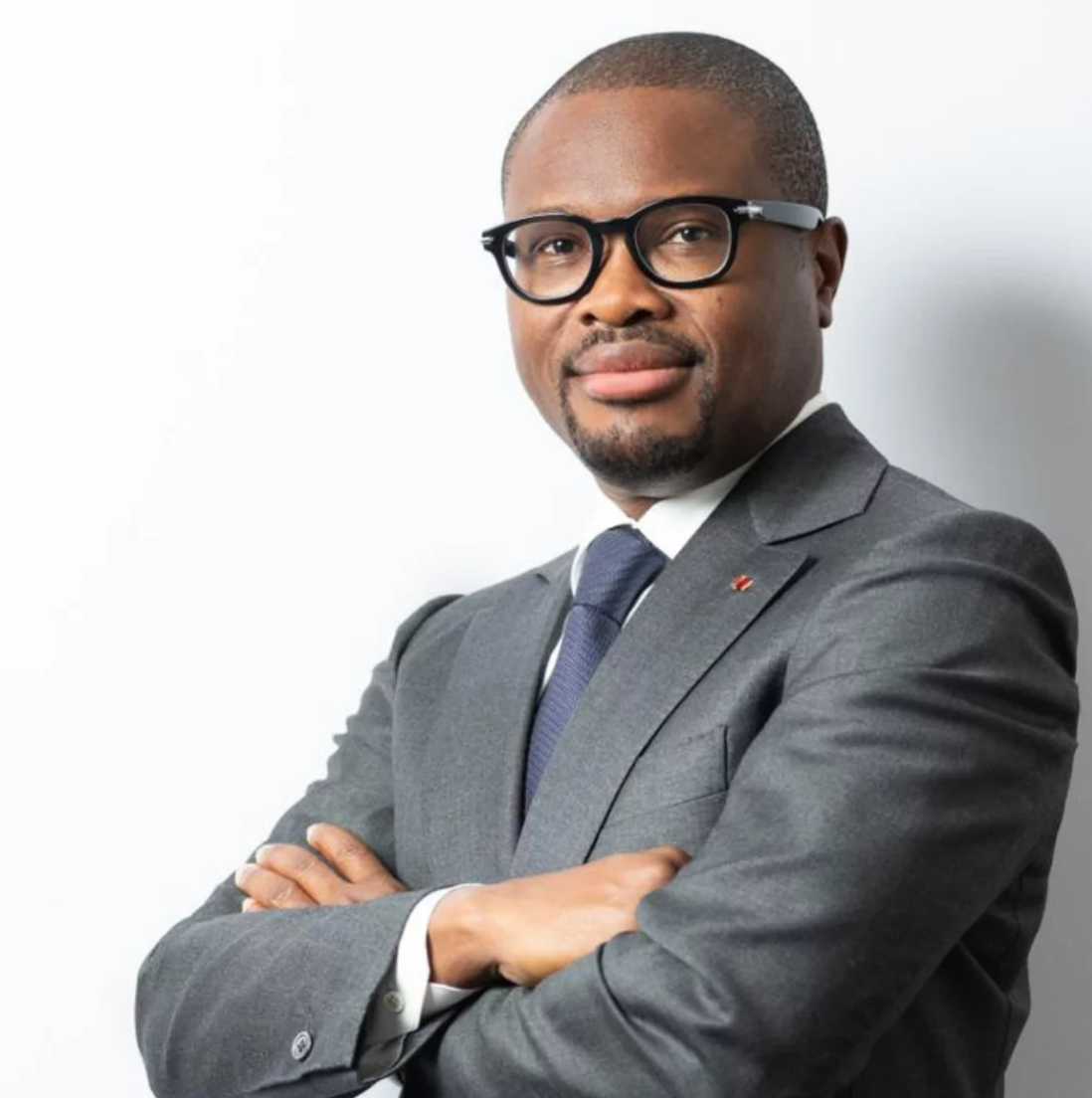
The contribution was signed under the authority of President Romuald Wadagni, who took office in May 2026 after winning more than 94% of the vote. His profile matters to how this file was handled: a decade as economy and finance minister left him with a clear reading of fiscal space and a preference for predictable, multi-year commitments rather than one-off gestures.
Inside the numbers: what the €544,042 is meant to do
Officials describe the funding as operational rather than symbolic. It is designed to shore up four pillars of UNAIDS’ work in the country:
- Generation of reliable data and strategic analysis
- Community engagement, particularly with young people, women and key populations
- Multi-sectoral coordination across ministries and partners
- Resource mobilisation to keep programmes funded
The practical aim is to avoid interruptions in prevention, testing, treatment and support services — the kind of disruption that can reverse years of gains within a single budget cycle.
A partnership measured in decades, not headlines
Health Minister Benjamin Hounkpatin framed the signature as an act of fidelity rather than administration. He pointed to the long arc of cooperation with UNAIDS since 2001 and to the results it has produced: a 72% drop in new infections and a 51% decline in deaths since 2010. For him, the protocol is evidence that durable partnerships translate into saved lives and intact families.
UNAIDS Executive Director Winnie Byanyima echoed that reading, calling the contribution a strong expression of national ownership and shared responsibility. She noted that when global health funding is under strain, Benin’s move sends a message that the fight against AIDS is not over.
From the country office side, Christian Mouala, UNAIDS country director and representative for the Côte d’Ivoire-Togo-Benin multi-country office, said the funding would consolidate coordination, strengthen strategic data and amplify community engagement — keeping Benin firmly on the path toward ending AIDS as a public health threat by 2030.
Why Benin is no longer just a recipient
By investing directly in UNAIDS’ work, Benin joins a small group of countries — including Algeria, Brazil, China, Côte d’Ivoire and Thailand — that help finance the organisation’s core mandate. The shift reflects a broader calculation: reducing dependence on external aid and claiming a share of responsibility for the health of one’s own citizens.
That posture is reinforced by recent domestic legislation on HIV prevention, care and stigma reduction, aligned with international human rights standards. Combined with higher national health spending, the legal and financial framework is being watched closely by other West and Central African states weighing similar transitions.
The deeper dynamic: economics and social justice in the same frame
President Wadagni’s tenure as finance minister was defined by reforms that bolstered Benin’s economic credibility. His approach to health suggests he does not see rigour and social justice as competing priorities. Placing HIV among national priorities is, in this reading, not charity but strategy — an investment in human capital that pays back over decades.
Behind the €544,042 figure sits a wider argument about what sovereignty means in practice. For Benin, it means keeping services running, protecting two decades of gains and refusing to let external funding cycles dictate the pace of its HIV response.
What to watch next
The pledge’s real test will be in implementation: whether coordination improves, whether strategic data reaches decision-makers faster, and whether vulnerable populations see uninterrupted access to care. If those markers hold, Benin’s contribution will be remembered less for its size than for the precedent it sets — a middle-income African state choosing to fund the fight it leads.