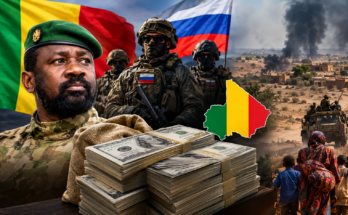
In Bamako, political observers are closely scrutinizing the evolving alliance between the Jamaat Nusrat al-Islam wal Muslimeen (Jnim) and the Front de Libération du Azawad (FLA). This partnership, which has intensified in recent weeks, raises critical questions about its potential impact on Mali’s fragile security landscape.

Understanding the Jnim-FLA alliance
The collaboration between Jnim and the FLA marks a significant shift in Mali’s conflict dynamics. While both groups operate independently, their recent coordination suggests a strategic realignment that could reshape regional power balances. Analysts highlight the FLA’s historical ties to Tuareg separatist movements and Jnim’s deep roots in the Sahel’s jihadist networks.
This convergence of interests has sparked debates among security experts. Some argue it could strengthen their operational capacity, while others warn of escalating instability in central and northern Mali. The alliance’s long-term viability remains uncertain, particularly amid shifting military and political conditions in the region.
Potential consequences for Mali’s stability
The partnership between these factions poses multiple risks to Mali’s already volatile environment. One immediate concern is the expansion of armed confrontations into new territories, particularly in Mopti, Gao, and Timbuktu regions. Local communities may face increased violence, displacement, and economic disruptions.
Another critical issue is the impact on humanitarian efforts. International aid organizations are already struggling to deliver essential services in areas under siege. A prolonged alliance between Jnim and FLA could further restrict access to food, healthcare, and education, exacerbating the suffering of millions.
Military and political implications
The Malian transitional government is under pressure to respond to this new security challenge. Military officials are evaluating strategies to counter the alliance, including enhanced surveillance, community-based defense initiatives, and regional cooperation with neighboring countries.
Political analysts note that the alliance could also influence upcoming elections and governance structures. If the collaboration solidifies, it may undermine state authority and fuel separatist sentiments in northern regions, complicating national reconciliation efforts.
Public reaction and local perspectives
Residents of Bamako and other urban centers express growing anxiety about the alliance’s implications. Social media platforms are abuzz with discussions about the potential for widespread insecurity and economic collapse. Meanwhile, rural communities, already grappling with food shortages and militant violence, fear further marginalization.
Civil society groups are calling for urgent dialogue to prevent a full-scale crisis. They emphasize the need for inclusive peace talks and targeted interventions to address the root causes of Mali’s conflicts, including poverty, ethnic tensions, and foreign interference.
What lies ahead for this alliance?
As Mali navigates this critical juncture, the durability of the Jnim-FLA partnership remains a subject of intense speculation. Several factors could determine its trajectory:
- Internal cohesion: Will the alliance withstand internal disagreements or external pressures?
- Regional dynamics: How will neighboring countries like Burkina Faso and Niger respond to the evolving threat?
- International involvement: Could foreign actors, including the United Nations and African Union, play a role in mediating or de-escalating tensions?
- Public sentiment: Will grassroots resistance or political opposition weaken the factions’ support base?
The coming weeks will be pivotal in determining whether this alliance becomes a transient tactical shift or a long-term threat to Mali’s peace and stability. For now, the nation holds its breath as stakeholders weigh their next moves.