Angola and drc forge railway concession for dilolo-sakania corridor
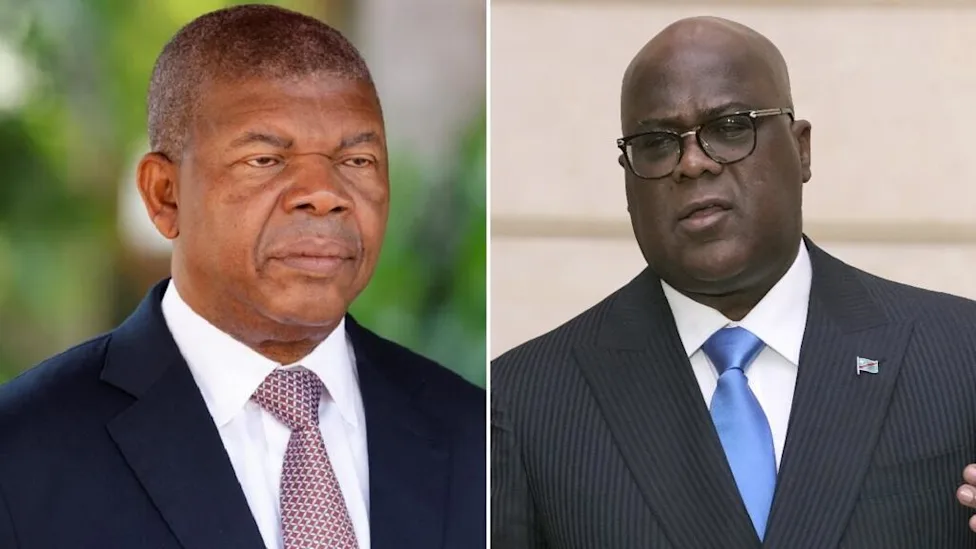
The Democratic Republic of Congo and Angola have finalized a significant concession agreement for the Dilolo-Sakania railway line, a move poised to dramatically reshape regional transport and trade. This 30-year pact outlines the comprehensive rehabilitation, modernization, extension, and operational management of the vital rail link, connecting Dilolo in Lualaba province with Sakania in Haut-Katanga.
Under the terms of the agreement, the Congolese state will retain full ownership of the infrastructure throughout the concession period, securing a minimum of 10% equity in the project company. Crucially, at the conclusion of the three-decade term, all infrastructure assets will revert entirely to the Congolese government.
The concessionaire is tasked with assuming complete responsibility for all financing requirements and traffic-related risks, operating without any sovereign guarantees or direct operational subsidies from the DRC. Congolese President Félix Tshisekedi has strongly emphasized the anticipated national economic benefits, which include robust job creation, enhanced training programs for young people, increased engagement of local businesses, and essential technology transfer initiatives.
This pivotal railway corridor is engineered to facilitate the transport of a diverse array of goods. Beyond its primary role in moving minerals, it will also support the efficient transit of agricultural produce, industrial inputs, hydrocarbons, containerized cargo, consumer goods, and passenger traffic.
To ensure seamless cross-border movement and maximize operational efficiency, the governments in Kinshasa and Luanda are committed to standardizing their respective railway operations, tariffs, and customs procedures.
Estimated at a cost of $1.2 billion, this ambitious project extends beyond the railway itself. It incorporates the development of complementary cross-border roads, advanced logistics platforms, and essential energy infrastructure. Both nations are also keen to revitalize their cooperation in the hydrocarbon sector and accelerate electrical grid interconnections, particularly to bolster power supply to the resource-rich Katanga region.
Related Posts