In a sweeping three-day national tour, the Bénin government has reinforced its commitment to breaking free from reliance on raw material exports. The message from the executive branch is unambiguous: the country must pivot toward local processing to safeguard food security and unlock economic growth. Minister of Agriculture, Livestock, and Fisheries Adin Yeton Bloukounon Goubalan traveled from central to northern regions, visiting key agricultural hubs such as Paouignan, Glazoué, and Parakou to ensure the president’s vision of industrial self-sufficiency becomes a tangible reality.
Rice and cassava: the engine of food independence
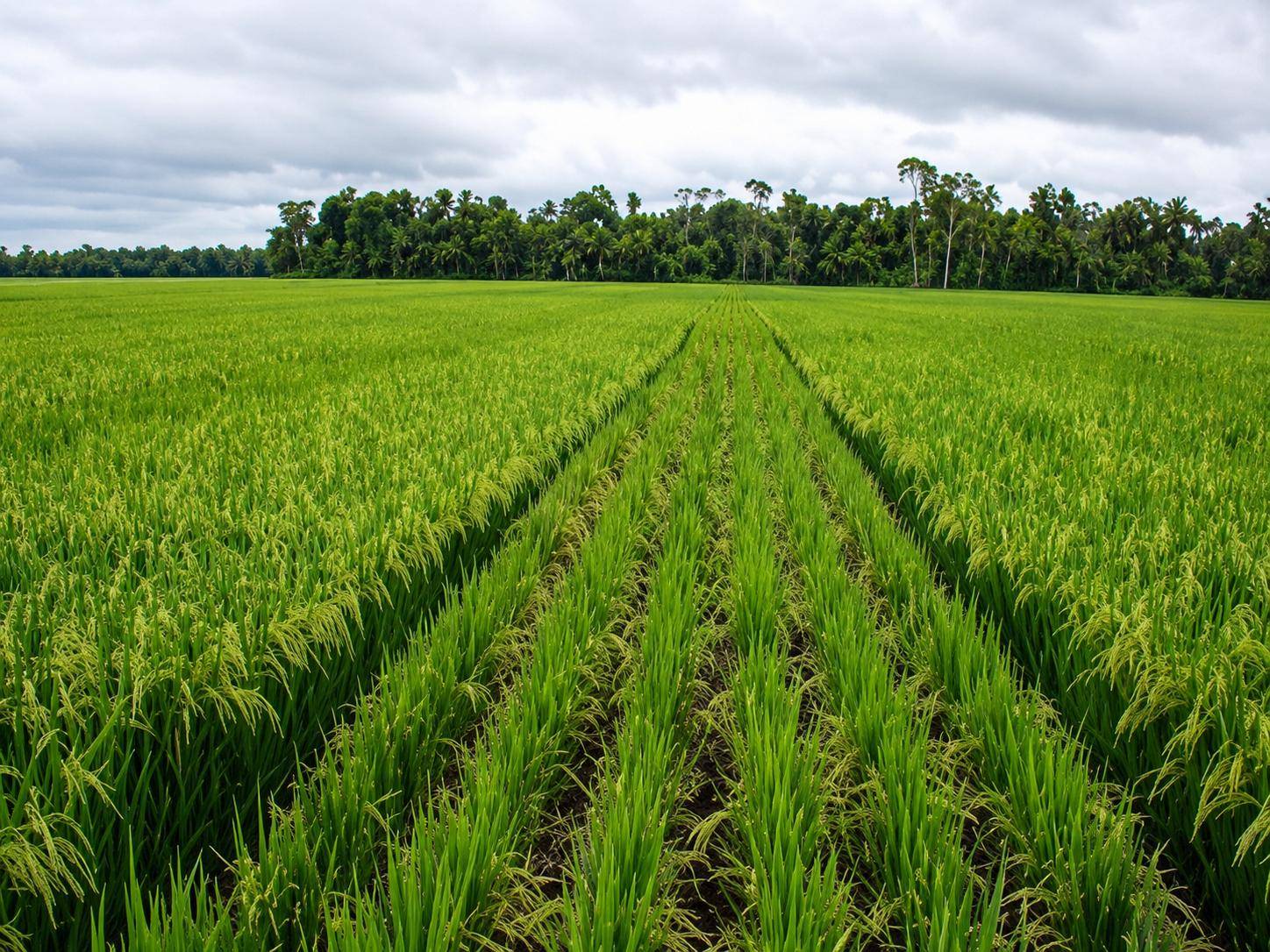
The rice sector has delivered an early win. In Glazoué, the agro-industrial leader Premium is scaling up operations with a third processing plant under construction in Dangbo. Once operational, this facility will boost the company’s annual rice processing capacity from 300,000 to 500,000 tons, significantly curbing the nation’s dependence on Asian rice imports.
Meanwhile, in Paouignan, cassava—the country’s “white gold”—is taking center stage. A new local processing plant nearing completion will produce gari, tapioca, and, crucially, bread-making flour, offering a viable alternative to wheat imports. The facility operates under an innovative public-private partnership model, sharing management between private investors and local producer groups to ensure equitable profit distribution and stable rural employment.
Cashew nuts: clamping down on smuggling
Despite progress, raw material shortages remain a hurdle. In the cashew sector, local processors warn that unprocessed nuts are being smuggled across borders, draining value from the domestic economy. Minister Goubalan has pledged rigorous border enforcement and priority access to raw materials for national factories. The government frames this as a defense of Bénin’s youth employment and economic future.
Cotton: a 700,000-ton incentive plan
The tour concluded with the most pressing challenge in Bénin’s agricultural economy: cotton. After three consecutive seasons of declining output, the government has set an ambitious target of 700,000 tons for the 2026–2027 harvest. To spur production and ease input costs for farmers, a premium of 10 FCFA per kilogram will be paid once the national target is met—a direct boost to rural incomes.
From strict border controls to financial incentives and large-scale industrial projects, Bénin is charting a course toward a more resilient agricultural sector. Challenges remain in logistics and climate resilience, but the political will driving this transformation appears unshaken.