The government of Benin has unveiled a groundbreaking social policy initiative that turns campaign promises into tangible action. On a mid-July morning in Toviklin, within the Couffo region, officials presented a detailed financial roadmap to representatives from six local municipalities, signaling a new era in public service delivery.
The highlight? A historic 31 billion francs CFA allocation dedicated to strengthening the foundations of daily life for citizens. This unprecedented investment demonstrates a clear commitment to addressing long-standing challenges in access to essential services, from healthcare to education and basic utilities.
healthcare without delay: emergency care takes priority
The first pillar of this initiative allocates one billion francs CFA exclusively to emergency medical response. This bold move replaces an outdated system where life-saving treatment was conditional on upfront payments. Now, medical intervention comes first—regardless of a patient’s ability to pay immediately.
« When every second counts, we prioritize care over paperwork. No one should be denied oxygen or a life-saving procedure because of delayed payment. »
The government has emphasized that implementation will be uniform nationwide. To prevent regional disparities or misuse, strict monitoring mechanisms will be enforced, ensuring that every citizen, in every municipality, benefits equally from this life-saving policy.
schools equipped for the future: water, light and dignity
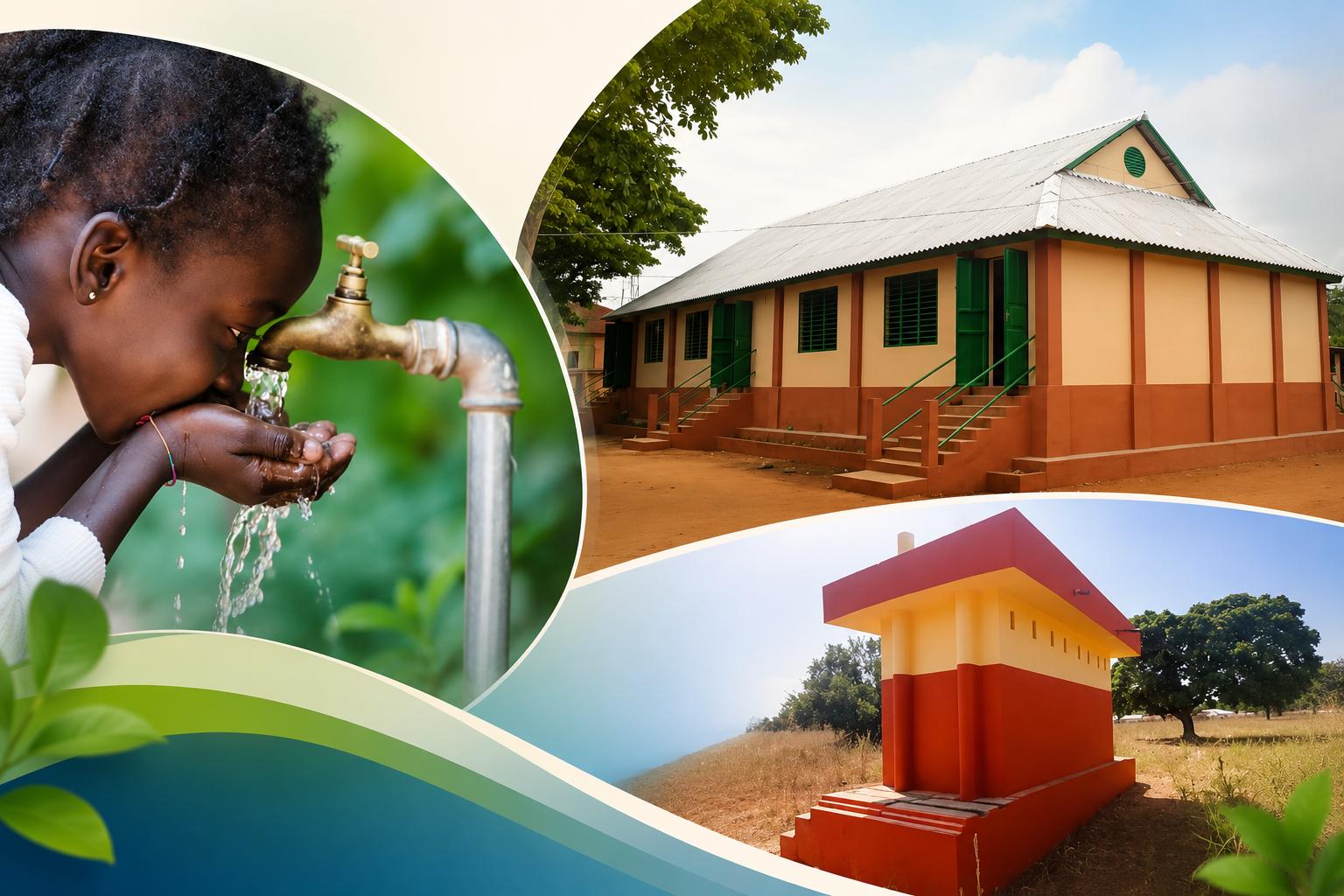
The second major allocation—20 billion francs CFA—directly tackles a deep-rooted issue: the absence of basic amenities in many schools across the country. This substantial fund will finance the installation of clean water systems, reliable electricity, and separate sanitation facilities for boys and girls in public schools.
This investment is more than infrastructure—it is a statement on human dignity and gender equality. By providing safe, functional toilets, the government aims to reduce school absenteeism among adolescent girls, a silent barrier to education and opportunity. Light and water in classrooms also create an environment where learning can thrive, regardless of location or background.
health centers powered for life: solar energy and clean water
The third component of the plan commits 10 billion francs CFA to transforming rural health clinics into fully operational facilities. A key focus is ensuring reliable access to electricity and clean water, even in remote areas where traditional power grids are unreliable.
To achieve this, the government is prioritizing solar photovoltaic systems, enabling clinics to operate 24/7. This is especially critical for nighttime medical procedures like emergency C-sections, which cannot be delayed. Continuous access to running water also ensures strict adherence to hygiene protocols, reducing infection risks and safeguarding patient safety.
a unified vision for sustainable development
These three strategic investments are not isolated initiatives—they form a cohesive, bottom-up development strategy. By strengthening the most basic social services first, the government is building a foundation for long-term stability and progress.
In Toviklin, the clarity of these commitments resonated deeply with the community. Local leaders and citizens alike welcomed the plan but emphasized the need for swift and transparent execution. They are now watching closely as the first construction sites open, forging ahead toward a future where no child studies in darkness, no woman gives birth without light, and no emergency goes untreated.