Benin senator role debate highlights democratic progress
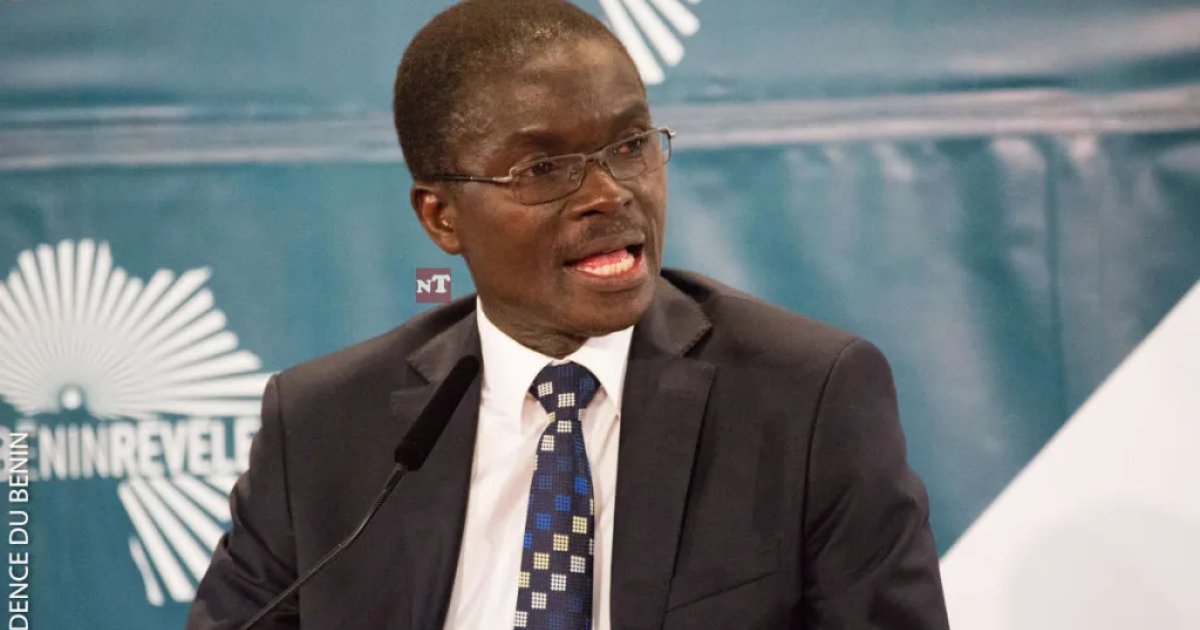
During a high-level discussion on rule of law and political transition in Africa, held in Cotonou on August 6, 2026, the establishment of the Senate took center stage. Organized by the Institute of Artisans for Justice and Peace (IAJP/Co), the forum brought together political leaders to explore ways to strengthen democratic governance.
Former minister advocates for a balanced approach to senatorial reforms
Former Minister and Deputy Lazare Maurice Sehouéto emerged as a prominent voice during the event, presenting the Senate not merely as a political structure but as a stabilizing force for democracy. He emphasized its potential to regulate governance and enhance long-term stability in Benin.
In response to concerns raised by former Deputy Kamel Bio Sika Ouassagari about the scope of the Senate’s powers, Sehouéto urged participants to ground their assessments in the actual legal framework rather than speculative fears. He stressed that the Senate’s creation aligns with a broader democratic tradition shared by nations that have adopted bicameral systems to navigate institutional fragility.
Historical models reinforce the argument for senatorial checks
To strengthen his case, Sehouéto drew parallels with established democracies:
- France: The Fifth Republic was established to address chronic ministerial instability under previous regimes, ensuring continuity and accountability.
- Germany: Post-World War II reforms introduced institutional safeguards to protect the rule of law and prevent authoritarian overreach.
He argued that Benin’s adoption of a Senate follows a similar logic: building resilience against political volatility and reinforcing national cohesion.
Call for evidence-based discourse over misconceptions
Sehouéto cautioned against premature judgments that could undermine the Senate’s role in fostering unity, preventing political gridlock, and securing the country’s development trajectory. He concluded by urging all stakeholders—political leaders, civil society, and observers—to engage in rigorous, fact-based discussions free from caricature or bias.
The forum concluded with a consensus on the importance of constructive dialogue in shaping Benin’s democratic future, with the Senate positioned as a key mechanism for balance and progress.