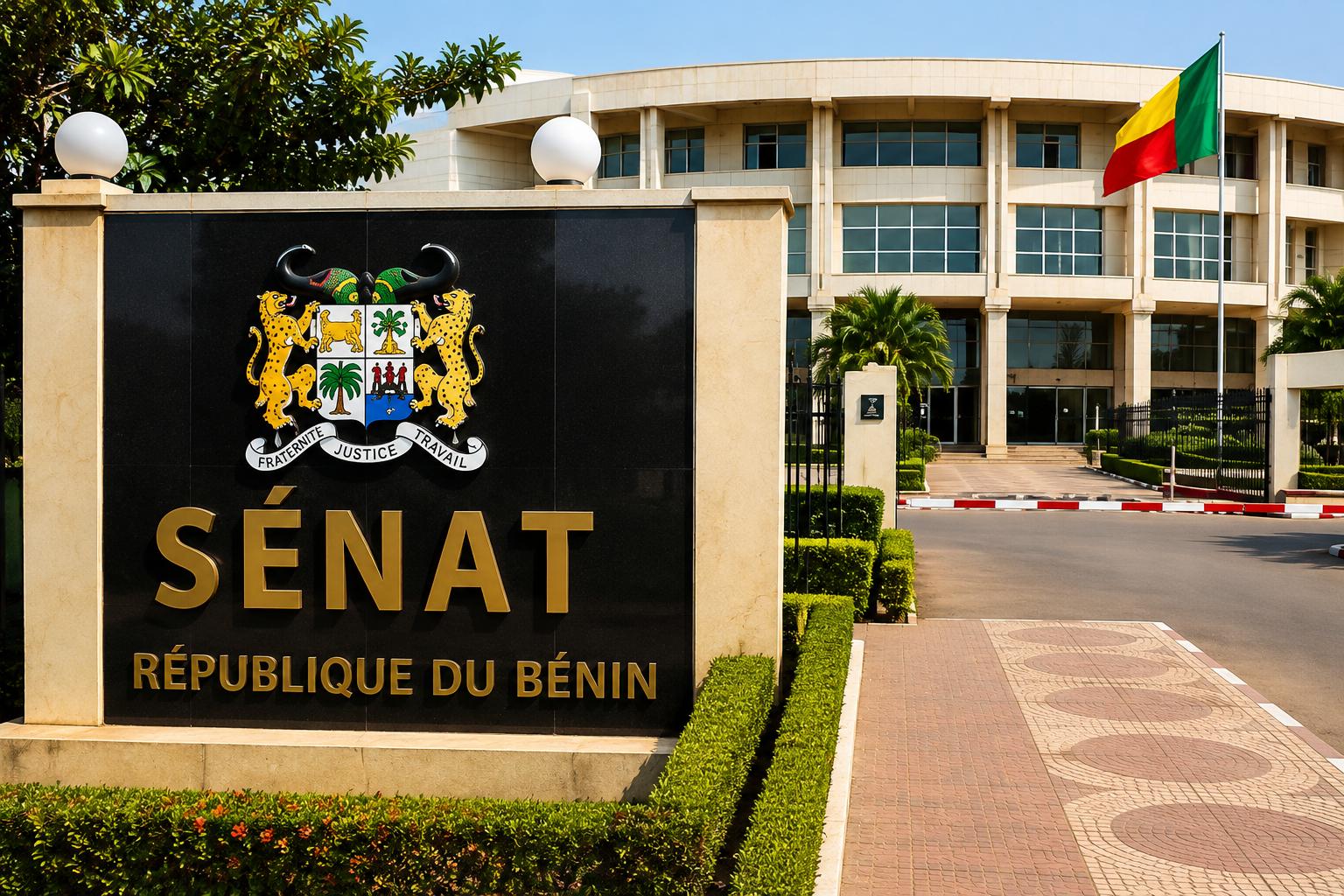
Since the installation of the upper house of Parliament and the election of former President Patrice Talon as its head, digital discussions in Benin have intensified. While some voices suggest a covert continuation of influence, a closer look at the constitutional framework reveals a different reality: a strict separation of powers where the Executive retains full authority, while the Legislative branch gains enhanced oversight.
The frenzy on social platforms often fuels premature conclusions, but a methodical analysis grounded in constitutional law clarifies the true dynamics of governance. The appointment of a prominent figure to lead a major institution naturally sparks debate, yet the legal foundations of Benin’s system leave little room for ambiguity.
Constitutional clarity: the executive power remains undivided
The most critical observation is the unaltered nature of executive power. The elected head of state exercises sole authority over national policy, government appointments, and administrative direction. Patrice Talon’s transition from the presidency to the Senate presidency does not alter this reality. As Benin’s Constitution mandates, the president retains exclusive control over defense, public administration, and the implementation of major initiatives. The presidency alone holds the mandate to shape the nation’s trajectory, appoint ministers, and oversee their functions.
Any assumption that the Senate’s leader could influence executive decisions misrepresents the institutional design. The presidency and the Senate serve distinct roles, and the current arrangement reinforces this separation rather than blurring it.
Understanding the Senate’s role: legislative, not executive
A common misconception equates the Senate presidency with a share of executive authority. However, the Senate is a legislative body with a singular purpose: to refine laws, scrutinize government actions, and represent territorial interests. Its president does not participate in cabinet meetings, draft decrees, or manage public spending. Financial oversight lies with Parliament as a whole, not with the Senate’s leader.
The chamber’s value lies in its legislative rigor and constitutional safeguards. Members—comprising former senior officials, seasoned politicians, and distinguished experts—provide a stabilizing influence in a political climate often driven by electoral fervor. Their role is advisory, reflective, and regulatory, not operational.
Why Benin’s system differs from its neighbors
Comparisons to neighboring countries, such as Togo, overlook key constitutional distinctions. While Togo’s reforms shifted power toward a parliamentary model, Benin maintains a firmly presidential system. The president’s legitimacy stems from direct universal suffrage, and the Constitution vests all executive powers in this office. The Senate’s creation enhances legislative depth but does not redistribute executive authority.
This clarity ensures that Benin’s governance remains predictable and stable. The Senate acts as a counterbalance to impulsive legislative decisions, not as a secondary executive branch.
The Senate as a pillar of democratic maturity
The upper house represents more than an institutional layer—it embodies a commitment to balanced governance. Its members, selected for wisdom and experience, contribute to long-term stability by reviewing laws with care and upholding national unity. Patrice Talon’s leadership in this role underscores a transition from active governance to strategic guidance, ensuring continuity without overreach.
This evolution marks a significant step in Benin’s democratic consolidation. Far from enabling power concentration, the Senate reinforces transparency and institutional checks. The public debate benefits from this clarity, moving beyond speculation toward informed civic participation.