Benin’s vice president leads high-stakes talks in Moscow to secure economic partnerships
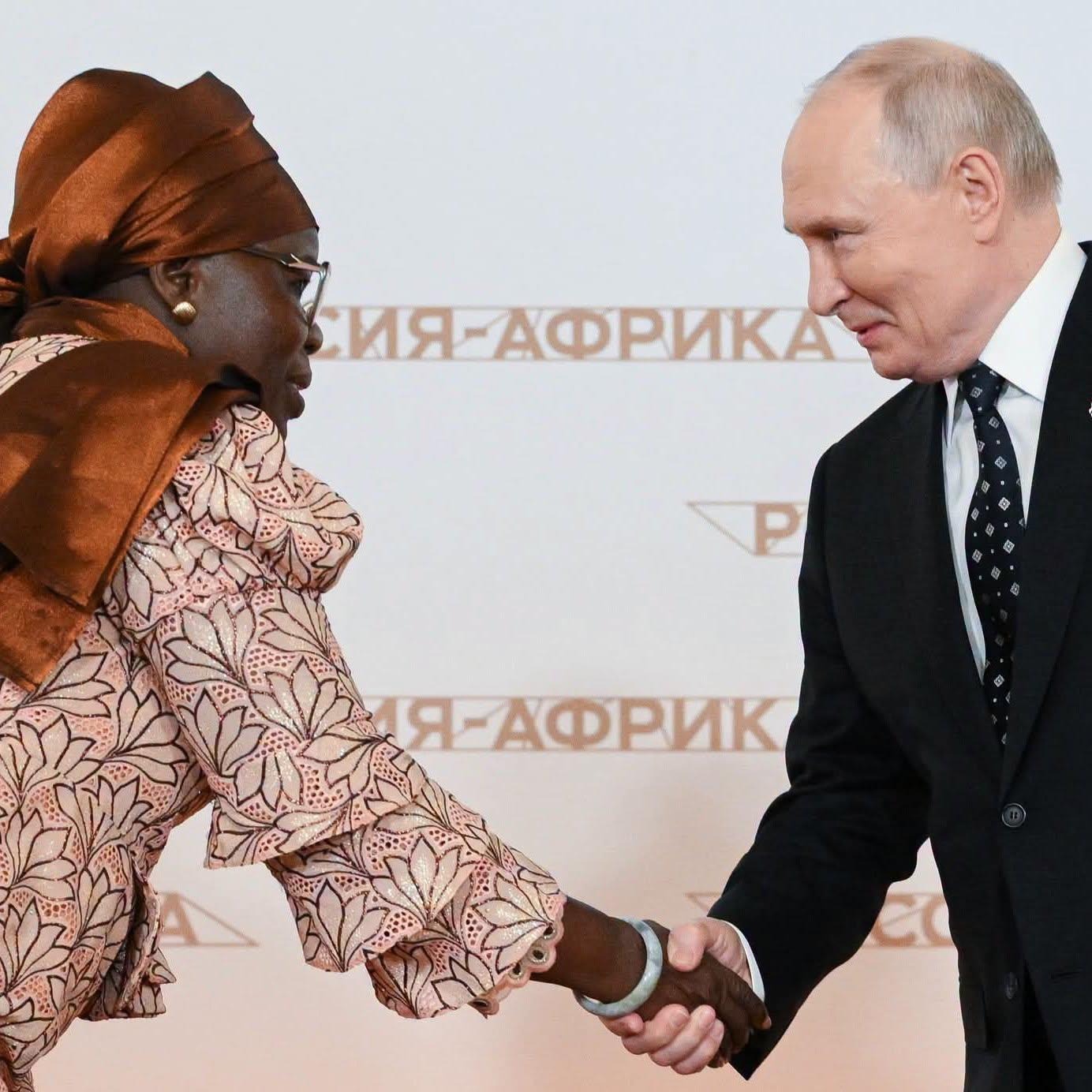
Mariam Chabi Talata, Vice President of Benin, concluded a landmark visit to Moscow this week where she spearheaded the country’s economic agenda at the third Russia-Africa Summit. Held on October 28-29, 2026, the summit brought together African and Russian leaders to explore new pathways for mutually beneficial cooperation.
During the two-day forum, Chabi Talata engaged in critical discussions with Russian counterpart Vladimir Putin and other heads of state, advancing Benin’s strategic priorities in sectors including education, health, and defense. The delegation’s mission was clear: leverage historic ties to forge modern, equitable partnerships that drive sustainable development for Beninese citizens.
Decades of partnership fuel Benin’s Moscow strategy
Benin and Russia share a diplomatic legacy dating back to January 9, 1962, when the two nations established official relations shortly after Benin gained independence from French colonial rule. That foundation grew stronger during the 1970s and 1980s under the People’s Republic of Benin, marked by robust cooperation in training African professionals in Soviet universities, military support, and healthcare initiatives. Hundreds of Beninese students and civil servants benefited from Soviet education programs, laying the groundwork for today’s collaborative efforts.
The Moscow summit provided an opportunity to modernize these historical ties, aligning them with current economic realities. For Benin, this means transitioning from legacy cooperation to innovative models that prioritize local value creation, job creation, and resilience against global market fluctuations.
New agreements emerge from Moscow’s triennial economic review
Building on past Russia-Africa summits in Sochi (2019) and Saint Petersburg (2023), this third edition reviewed progress on the 2023-2026 action plan and introduced forward-looking negotiations for the 2027-2029 cycle. The Beninese delegation pushed for agreements that move beyond traditional diplomatic protocols, favoring tangible investment in infrastructure, agriculture, and technology sectors.
Key outcomes included preliminary accords on vocational training exchanges, agricultural mechanization support, and joint healthcare initiatives. These projects aim to address immediate national needs while strengthening Benin’s long-term economic autonomy.
Chabi Talata calls for balanced, growth-focused partnerships
Speaking at the Economic and Humanitarian Forum, Vice President Chabi Talata emphasized the need for African nations to pursue partnerships that prioritize structural transformation over extractive trade models. She highlighted Benin’s determination to negotiate deals that respect national sovereignty while fostering real economic spillovers for local communities.
As final joint declarations and action programs were drafted, Benin’s participation in the Moscow summit underscored a consistent message: Africa must engage in global diplomacy with clarity, self-assurance, and an uncompromising focus on inclusive development.