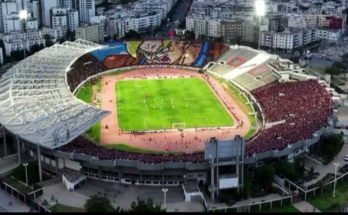
Project Overview: a new sports landmark in the making
The Koudougou stadium project, promising 15,000 seats, is set to become Burkina Faso’s latest sports infrastructure milestone. Announced under the Presidential Initiative for Sporting Excellence (IP-RELIS), the venue aims to boost local and national athletic development while upgrading regional sporting facilities.
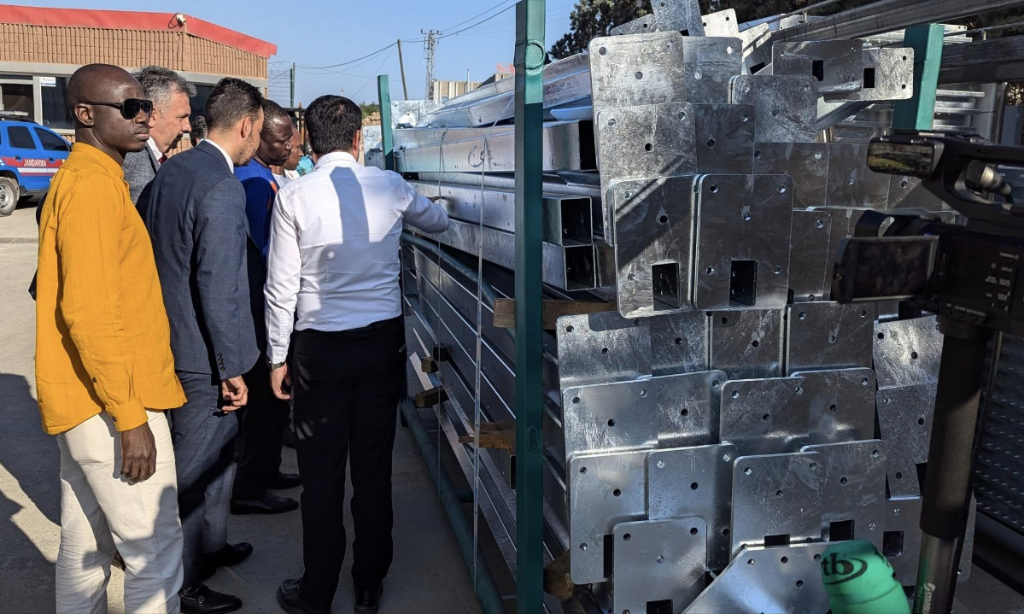
The 15,000-capacity stadium is positioned as a key component of the country’s sports infrastructure expansion, aligning with broader national efforts to nurture young talent and elevate competitive standards. Progress was confirmed in late October 2026, when an official delegation toured the construction site, signaling imminent project implementation.
Who’s building it? Integral Sport takes the lead
The construction contract has been awarded to Integral Sport, a Turkish firm with prior experience in stadium development. The company has partnered with Burkina Faso’s Faso Mêbo Agency, which oversees sports infrastructure nationwide. Integral Sport is also involved in the construction of the 15,000-seat Léguéma Stadium in Bobo-Dioulasso, underlining its regional footprint in sports venue development.
Despite its involvement, Integral Sport’s role remains primarily that of a contractor. Questions persist about the financial structure: does the company provide financing, or is the project underwritten by public, private, or international funds? Without access to the construction contract or official financial disclosures, the funding sources remain undefined.
Financing remains the biggest unanswered question
The Koudougou stadium’s funding model has not been disclosed in public documentation. While the project falls under IP-RELIS—a presidential initiative—this does not confirm full state sponsorship. Public involvement through Faso Mêbo suggests operational collaboration, but not necessarily financial underwriting.
Potential funding avenues include:
- Domestic budgetary allocation: direct government funding via the national budget
- International partnership: loans or grants from foreign governments or development institutions
- Public-private model: mixed funding involving state, private sector, and possibly international investors
None of these options have been substantiated in available public records.
Why transparency matters now
Public disclosure of financial details is essential for accountability. Citizens deserve clarity on:
- The total estimated cost of the stadium
- The source(s) of funding and allocation mechanisms
- The contract terms and awarding process
- Any external partners and their contribution levels
- The construction timeline and phased budget execution
Without this information, public trust risks erosion. The absence of financial transparency doesn’t imply wrongdoing—but it does hinder oversight and rational public debate.
Next steps: demands for official clarity
Several institutions hold the keys to resolving the funding uncertainty:
- The Ministry of Sports — as the sponsor of IP-RELIS
- Faso Mêbo Agency — responsible for project execution
- Integral Sport — as the primary contractor
Official statements confirming budget sources, contract value, and financing agreements are now overdue. These disclosures will determine whether the stadium will be financed domestically, through international aid, or via a joint venture—and at what cost to the public purse.
The path forward: funding clarity will define the project’s legacy
Koudougou’s 15,000-seat stadium has the potential to transform local sports culture and elevate regional sporting standards. But its long-term impact hinges not only on completion, but on the integrity of its financing.
Until the funding model is made public, the true cost—and by extension, the project’s sustainability—remains unknown. The stage is set. Now, the financial curtain must rise.