In an unprecedented move, the city of Bordeaux has taken a decisive step toward addressing colonial-era cultural restitution by rejecting a bequest of 53 artworks from multiple African countries, including 33 originating from Gabon. The decision, announced on June 1, 2026, was not a rejection of the art itself but a strategic legal maneuver to bypass France’s strict inaliénabilité principle, which prevents public collections from being alienated. By refusing the donation before it could enter the public domain, Bordeaux opened a legal pathway to facilitate direct restitution to their countries of origin.
a legal workaround to accelerate restitution
The Bordeaux initiative demonstrates how local governments in France are creatively navigating the country’s rigid legal framework to respond to African repatriation requests. Since the 2018 Sarr-Savoy report highlighted the moral and historical imperative of returning cultural artifacts looted during colonial rule, the French government has struggled to implement a unified legislative solution. Each case now requires a bespoke legal strategy, often involving tailored laws or administrative workarounds. Bordeaux’s refusal of the bequest—before it could be formally integrated into the Musée d’Aquitaine’s holdings—creates a critical exception, enabling a smoother transfer process.
This approach is not merely procedural; it reflects Bordeaux’s ongoing reckoning with its colonial legacy. The city, whose 18th-century prosperity was deeply tied to the transatlantic slave trade, has increasingly embraced memorial and restitution initiatives in recent years. The June decision moves beyond symbolic gestures, embedding restitution within a concrete legal framework.
Gabon’s cultural revival hinges on returned artifacts
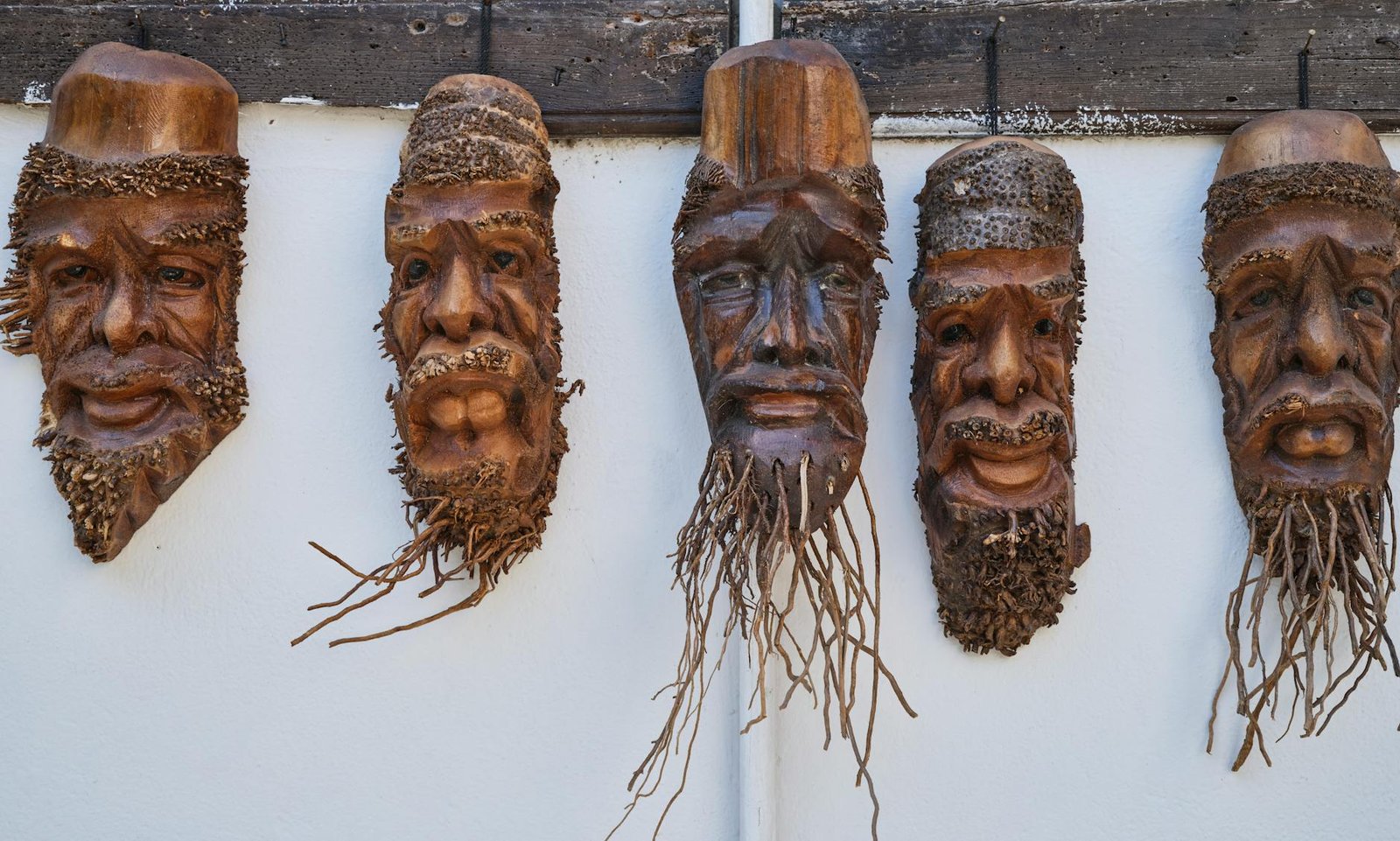
For Libreville, the return of these 33 pieces represents more than a symbolic gesture—it’s a cornerstone of the nation’s cultural renaissance. The artifacts, including Fang, Punu, Kota, and Tsogho masks and reliquaries, hold immense historical and market value. Kota reliquary figures, for instance, frequently fetch hundreds of thousands of euros at auction, underscoring their significance in both cultural and economic terms. Their repatriation would bolster Gabon’s national collections and reinforce the visibility of its ethnic heritage on the global stage.
Since the 2023 political transition, Gabon has prioritized cultural sovereignty as a key pillar of its national identity. The restitution of colonial-era artifacts aligns seamlessly with this agenda, though the operational timeline remains uncertain. The Bordeaux decision initiates the process but does not conclude it; both French and Gabonese authorities must now finalize the transfer framework and ensure Gabon’s museums meet international conservation and exhibition standards.
could other french cities follow bordeaux’s lead?
Bordeaux’s legal strategy may serve as a blueprint for other French municipalities grappling with similar restitution demands. Cities like Marseille, Lyon, Nantes, and La Rochelle hold collections with unclear legal statuses, many acquired under colonial conditions. The Bordeaux model offers a faster alternative to parliamentary lawmaking, provided the artworks haven’t yet been formally accessioned into public collections. For African nations, this pathway could streamline restitution without the delays inherent in legislative processes.
The implications extend far beyond Gabon. Senegal, Benin, Ivory Coast, and Cameroon are closely monitoring the Bordeaux case. The 2021 restitution of 26 royal treasures to Benin required a dedicated law, a process that took years to navigate. Bordeaux’s approach, while less high-profile, could prove more efficient for the thousands of African artifacts still held in French museums. This case may well set a precedent for future diplomatic negotiations between Paris, French local governments, and African cultural authorities.