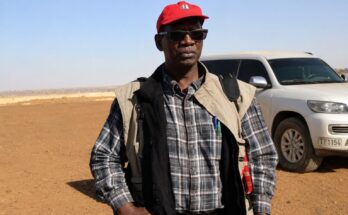
The profound shock generated by the demise of Mahamadi Baguian, widely known as «Marshall», continues to send tremors through the very foundations of Burkina Faso’s transitional government. Far more than a mere tragic incident, the death of this ardent supporter of Captain Ibrahim Traoré, which occurred within the confines of security service detention, serves as a stark revelation of an authoritarian drift with potentially far-reaching and unpredictable consequences.
A symptom of escalating security paranoia
Mahamadi Baguian’s death marks a significant psychological turning point in the national political landscape: the unequivocal end of immunity for even the most vocal proponents of the regime. Marshall was not an adversary, but rather an enthusiastic opinion shaper. His passing brutally demonstrates that absolute loyalty no longer functions as a protective shield against the state’s repressive apparatus. Currently, the regime appears to be turning against its own adherents, fostering a pervasive atmosphere of suspicion even within the so-called «patriotic» bloc.
This tragic event also casts a harsh light on the complete lack of transparency inherent in the detention system. Apprehended on March 31st, the activist reportedly succumbed under obscure circumstances, illustrating a security framework that now seems to operate beyond all oversight and in complete disregard for fundamental judicial procedures.
A diversionary strategy amidst operational failures
For numerous observers, this internal radicalization signifies not a display of strength, but rather a strategic deflection in response to a multitude of setbacks. Cornered, the regime seems to be opting for a headlong rush:
- Eroding moral legitimacy: A recent report by Human Rights Watch (HRW), documenting alleged massacres of civilians attributed to certain army units, has dealt a severe blow to the image of the national «reconquest» narrative.
- Operational deadlock: Despite pervasive warlike rhetoric, harrowing events like the one in Barsalogho cruelly highlight the state’s persistent inability to safeguard its citizens against the pervasive jihadist threat.
- Suppression of popular dissent: By targeting prominent figures such as Baguian, the junta appears intent on preempting any internal challenge from a populace that is beginning to question the true effectiveness of an exclusively military approach.
Towards fatal isolation at the state’s apex?
The political repercussions of this increasingly authoritarian trajectory could prove self-destructive for Captain Ibrahim Traoré. By criminalizing even the slightest criticism and instilling fear among his own «Wayiyans» (supporters), the head of state risks growing isolation, effectively alienating his most committed organic defenders.
On a societal level, the assessment is grim. The Burkinabè citizen now finds themselves caught in a vice, held hostage by a dual menace: the indiscriminate terror of armed terrorist groups on one side, and the unpredictable arbitrariness of state security services on the other. The civic space is progressively suffocating.
What was initially perceived as a salvific transition now appears to be sinking into a definitive rupture of the social contract. Popular support, once fervent, is gradually transforming into a pervasive sense of apprehension. In Burkina Faso, the era of triumphant slogans has yielded to a profound questioning of the future of a revolution that seems to be consuming itself from within.