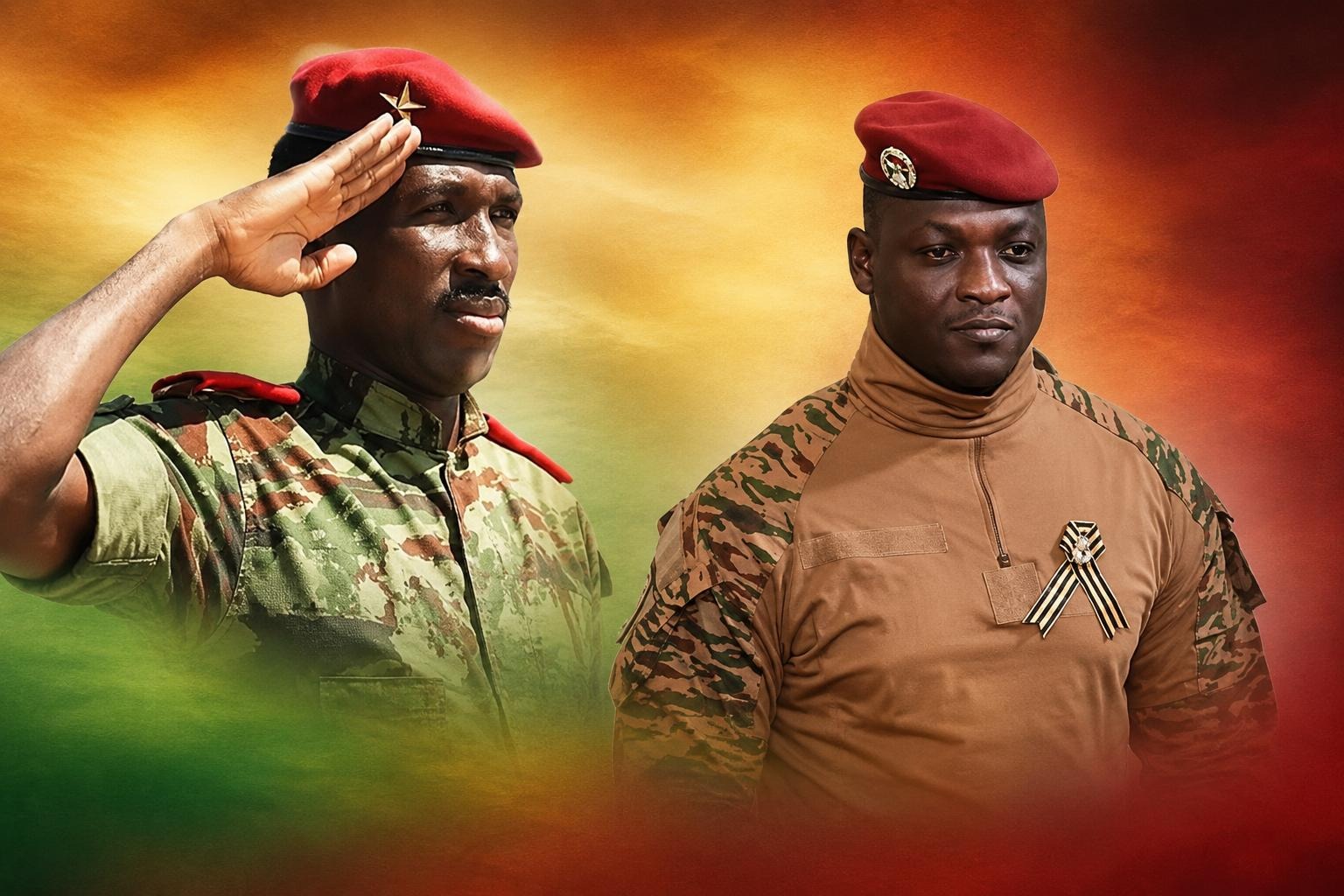
This measure is integral to the “progressive and popular revolution” championed by the transitional authorities under Captain Ibrahim Traoré. It signifies a profound symbolic departure from the administrative conventions inherited from the colonial era.
A semantic and ideological transformation
The transition from traditional honorifics like “Monsieur” and “Madame” to “Camarade” transcends mere linguistic alteration. For the Burkinabè executive, this directive seeks to cultivate a sense of absolute parity between the state and its populace, simultaneously bolstering national unity during a period of acute security challenges.
The stated objectives underpinning this policy are structured around three core principles:
- Eradicating Hierarchies: To dismantle conventional protocol barriers separating state representatives from the citizenry, thereby fostering a closer relationship between governance and the governed.
- Bolstering National Unity: To champion a robust and egalitarian collective identity, deemed indispensable for confronting the nation’s profound challenges.
- Asserting Sovereignty: To disengage from Western forms of address, which the current regime views as remnants of bourgeois or colonial cultural influences.
The resurgence of Sankarist legacy
For those observing West African political developments, this decision unmistakably resonates with the Democratic and Popular Revolution (RDP) spearheaded by Captain Thomas Sankara from 1983 to 1987. During that transformative period, the term “camarade” served as the foundational element of revolutionary rhetoric and culture.
“The current administration, by reintroducing this terminology, endeavors to appropriate the historical and popular legitimacy associated with Thomas Sankara, a figure who continues to command immense popularity and inspire the youth of Burkina Faso,” a regional political analyst observed.
This embrace of Sankarist principles has, over recent months, coincided with other significant initiatives aimed at national refoundation. These include a revised transitional charter, a stringent emphasis on indigenous development endeavors, and a comprehensive re-evaluation of regional and international geopolitical alliances.
Varied societal perspectives emerge
Across the nation, the implementation of this directive has elicited a spectrum of reactions and sentiments.
Adherence among regime supporters
Proponents of the transitional government universally commend this measure as both patriotic and historically significant. They contend that it repositions the citizen at the core of public engagement, dismantles elitist structures, and cultivates the collective spirit deemed essential during times of national crisis.
Reservations from skeptics and the opposition
Conversely, several critical voices perceive this as an undue emphasis on purely ideological symbols. They argue that the state’s paramount priorities should instead remain firmly centered on ensuring territorial security, facilitating the return of internally displaced populations, and vigorously combating terrorism.
The practical challenge for the administrative corps
Within ministries and prefectures, public servants are confronted with an immediate managerial and cultural adaptation challenge. They are now tasked with instantaneously modifying all official communications, forms, and both in-person and telephonic reception protocols.
As Burkina Faso continues to grapple with substantial security and humanitarian crises, the transitional government is wagering that semantic shifts can serve as a potent instrument for mass mobilization. The ultimate question remains whether the adoption of this revolutionary lexicon will prove sufficient to durably solidify the national unity that Ouagadougou seeks.