Cameroon has taken a critical step toward revitalizing its judiciary after six years of near paralysis in the Supreme Judicial Council, a constitutional body essential for overseeing the country’s legal system.
The appointments, announced on June 2, 2026, mark a long-awaited renewal of the Council, which has been dormant since 2020. The newly appointed 14 members are set to serve a five-year term, raising hopes for renewed dynamism in a system plagued by delays and stagnation.
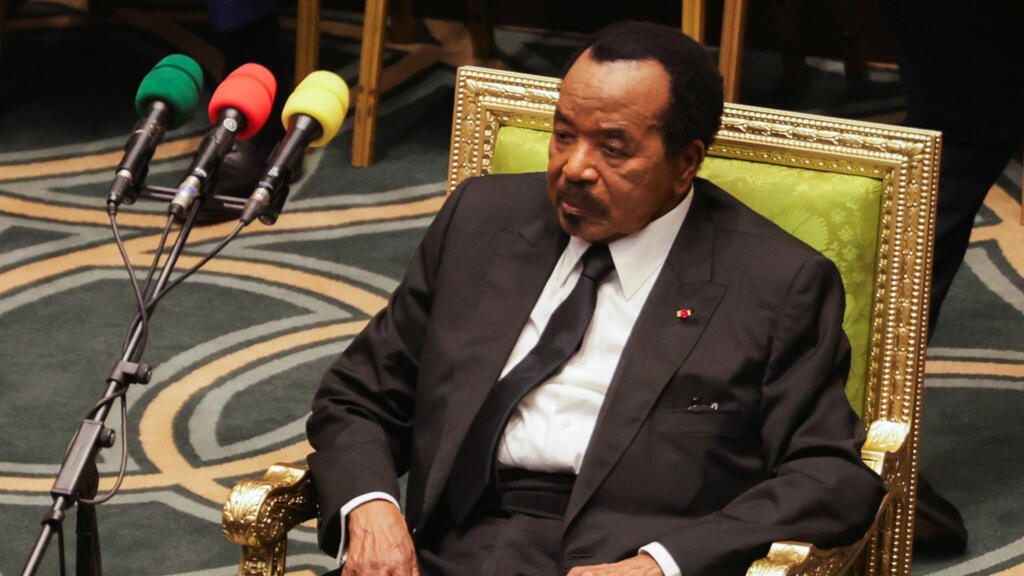
As President Paul Biya presides over the Council, its revival is seen as a pivotal move to address long-standing bottlenecks in the judiciary. The prolonged inactivity has triggered a cascade of challenges, including stalled promotions for magistrates, frozen career advancements, and the suspension of new judicial appointments—both for prosecutors and judges.
Justice system paralysis fuels mounting frustrations
The Council’s dormancy has left hundreds of newly trained magistrates in limbo, unable to begin their careers despite completing their programs. Meanwhile, the stagnation in judicial appointments has disrupted career progression, leaving many professionals in legal limbo for years.
Beyond immediate judicial concerns, political observers speculate that these appointments could signal broader changes. The move coincides with months of anticipation for a long-promised government reshuffle, as well as the still-vacant position of Vice President, created in April 2026 but yet to be filled.
A new chapter for Cameroon’s judiciary?
With the Council’s reactivation, stakeholders are cautiously optimistic about a potential turnaround. The resumption of its activities could pave the way for addressing systemic delays, restoring confidence in the legal system, and ensuring the timely appointment of qualified magistrates to key roles.