Economy
Cameroon’s road network: 2442 km paved but challenges remain
Ongoing road projects, completed milestones, and structural network growth contrasted with persistent obstacles in Cameroon’s road infrastructure sector.
Progress and challenges in Cameroon’s road infrastructure
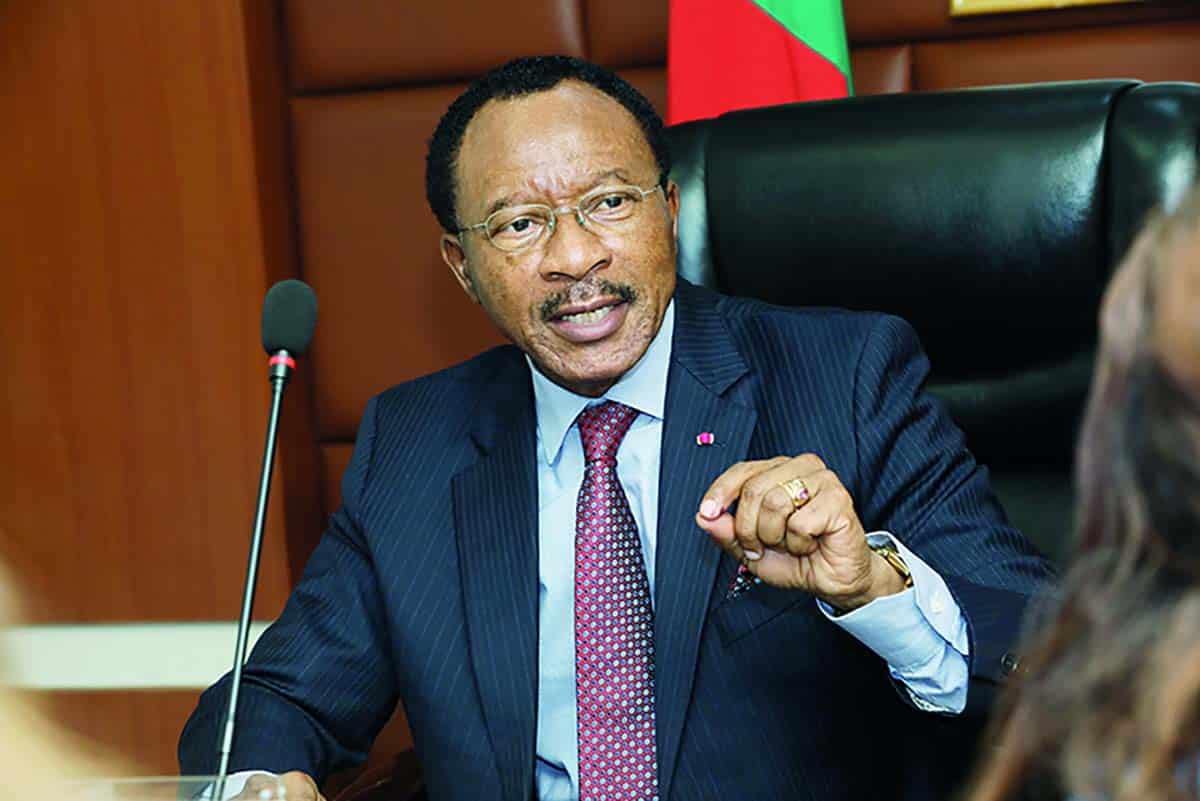
At a public conference held in Yaoundé on June 11, 2026, during the Government Action Salon (SAGO 2026), Minister of Public Works Emmanuel Nganou Djoumessi presented a mid-term review of the national development strategy (2020-2030), highlighting achievements since early 2026 while addressing the persistent obstacles hindering road project execution.
The minister emphasized the importance of the structural road network as the backbone of the Ministry’s interventions to enhance the quality and connectivity of Cameroon’s road system. He underscored that road infrastructure development serves as both an economic growth driver and a tool for territorial cohesion, aligning with President Paul Biya’s commitments under the 2020-2030 development strategy.
Key milestones were shared: nearly 2,442 kilometers of roads have been paved and approximately 833 kilometers of degraded roads have been rehabilitated. However, significant delays persist, particularly in routine road maintenance.
Persistent obstacles slowing progress
The road sector faces multiple challenges that impede optimal performance:
- Security concerns in certain intervention zones disrupt project timelines
- Cumbersome funding mobilization processes delay financial planning
- Extended market procurement timelines slow project initiation
- Contractor cash flow difficulties affect execution capacity
- Limited budget allocations for routine road maintenance
Despite these hurdles, remarkable progress has been achieved over the past five years. The total length of paved roads increased from 8,498 kilometers in 2020 to nearly 10,939 kilometers by the end of 2025—an average annual growth of over 488 kilometers of new paved roads.
Future roadmap focuses on structural network
Minister Nganou Djoumessi outlined the 2026 roadmap, which prioritizes:
- Implementation of the President’s High Directives
- Enhancing structural road network quality
- Improving infrastructure quality standards
- Strengthening territorial connectivity
These measures aim to consolidate the gains made while addressing the sector’s structural weaknesses, ensuring sustainable development of Cameroon’s vital road infrastructure.